Today’s industrial scene really emphasizes how important it is to pick the right Dust Collection Unit. It's not just about ticking boxes; it's about creating a safe and efficient workplace. Did you know that, according to the National Institute for Occupational Safety and Health (NIOSH), dust exposure at work can cause serious health problems, especially respiratory issues? That’s why having a solid dust collection system isn’t just a bonus—it's a must if you want to keep everyone safe and cut down on health risks.
Dr. James Parker, who’s pretty much an expert in industrial hygiene, puts it simply: “Getting a reliable Dust Collection Unit isn’t just about following rules; it’s about looking out for your team’s health.” With so many options floating around, though, it can get pretty overwhelming for businesses to figure out what’s actually the best fit for their needs. You’ve gotta think about things like how much air the system handles, how well the filters work, and how much maintenance it’ll need.
But here’s the thing—not all Dust Collection Units are the same. The variety of applications makes choosing the right one pretty tricky, even for the pros. Recent studies found that around 30% of companies don’t pick the right systems, which can lead to higher operational costs and increased health risks. I know, it’s a lot to take in. Still, with the right info and some guidance from the experts, businesses can not only protect their workers but also boost their overall productivity. It’s really about making smart choices that pay off in the long run.
Understanding the Importance of Dust Collection in Your Business
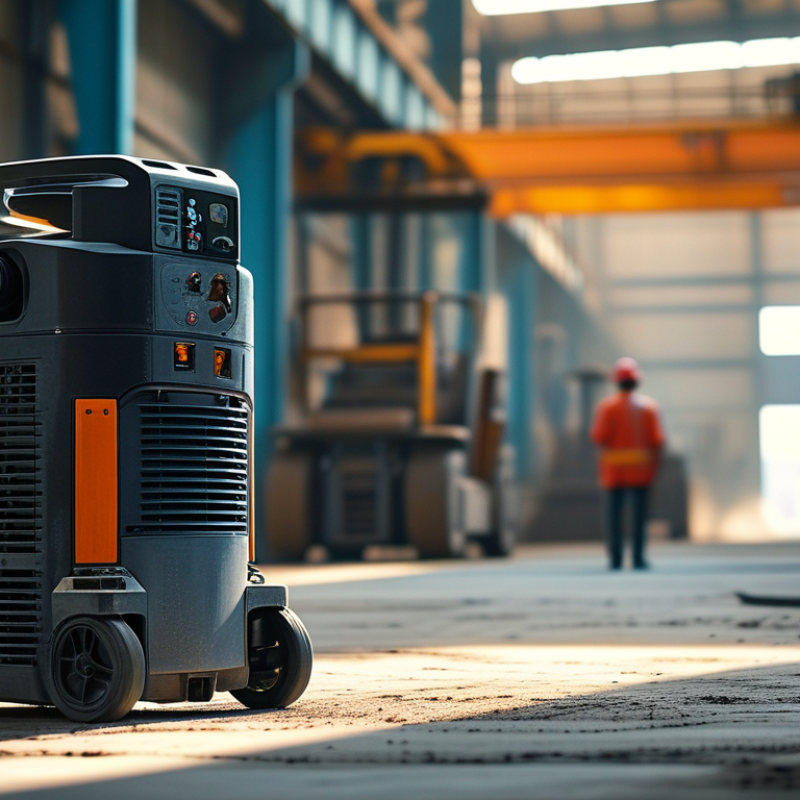
Dust collection is crucial for maintaining a safe and efficient workspace. Excess dust can harm employee health and machinery performance. Effective dust collection reduces respiratory issues, lowers risks of fire hazards, and complies with safety standards. Businesses must prioritize investing in an effective Dust Extraction Unit.
Choosing the right dust extraction unit requires careful consideration. Assess the specific needs of your environment. Consider factors such as volume of dust produced, space availability, and types of materials processed. Ensure the unit can handle the dust load effectively. It's also vital to evaluate the maintenance requirements, as poorly maintained systems can lead to operational failures.
Tips: Regularly check the filters in your dust extraction unit. Clogged filters reduce efficiency. Implementing a routine maintenance schedule ensures your equipment runs optimally. Don't overlook the importance of noise levels; quieter units can enhance workplace comfort. Seek expert advice when upgrading or installing a new system to ensure it meets industry standards and regulations.
Identifying Your Dust Collection Needs Based on Industry Type
Choosing the right dust collection unit begins with understanding your industry’s specific needs. Different sectors have unique dust challenges. For instance, woodworking produces fine wood dust that can clog systems quickly. On the other hand, metalworking generates larger particles and may require more robust filtration options. Evaluate the types of materials you handle daily. This will guide your selection process.
Consider the volume of dust generated as well. A high-traffic work environment may need a more powerful unit. Smaller businesses might overlook the importance of air quality, but it impacts worker health. Regular assessments of your dust collection system are crucial. You might even discover it’s underperforming.
Don’t forget to think about maintenance needs. An effective dust collection unit requires upkeep. Neglect might lead to inefficiency and increased costs. Identifying these requirements upfront will save you trouble later. Your choice should match operational demands to ensure safety and compliance.
Evaluating Different Types of Dust Collection Units Available
When selecting a dust collection unit for your business, understanding the various types available is crucial. A recent report by the American Industrial Hygiene Association (AIHA) indicates that effective dust collection can reduce airborne particle levels by over 90%. This highlights the importance of choosing the right unit.
Cyclone dust collectors are popular in workshops. They effectively separate larger particles before they reach the filter, extending filter life. However, they may not be as efficient for fine dust or harmful substances. A Mobile Dust Extraction Unit offers flexibility. These units can be moved easily, making them ideal for operations with multiple workstations. Yet, they often have lower capacity than stationary systems.
Baghouse systems are suitable for heavy-duty applications. They capture fine dust and can handle large volumes. Unfortunately, they require more maintenance and can occupy significant floor space. Understanding your business's needs is vital. Each type of dust collection unit presents advantages and challenges. Assess factors such as space, volume, and specific dust types regularly. What works today may not be optimal tomorrow.
Dust Collection Unit Types Evaluation
Key Features to Look for in a Dust Collection Unit
When selecting a dust collection unit, several key features are essential. Efficiency is paramount. A unit should effectively capture and filter fine particles. According to the American National Standards Institute (ANSI), units should achieve a minimum efficiency of 99% for particles down to 0.5 microns. This ensures cleaner air for employees and a safer working environment.
Another important feature is airflow capacity. A higher cubic feet per minute (CFM) rating indicates a more robust unit. Reports suggest that for best results, businesses should match their dust collection needs to specific machinery requirements. For instance, machines that produce large volumes of dust may require a Conveyor Unit with a higher CFM to handle the load effectively.
Portability and maintenance features also matter. Some units are stationary, while others are easy to move around the shop. A unit with quick-clean filters can save time and labor costs. When evaluating options, consider how often maintenance is required and the accessibility of replacement parts. These details can significantly impact the overall efficiency of the dust collection process. Regularly reviewing performance and making adjustments is crucial in optimizing operations.
Assessing Airflow and Filtration Efficiency Requirements
When selecting a dust collection unit, airflow and filtration efficiency are critical. Depending on the industry, the amount of dust can vary significantly. For example, woodworking operations typically generate more fine particulate matter than metalworking. The American Industrial Hygiene Association suggests that a minimum airflow of 100-150 CFM per tool is needed to adequately capture dust at the source. However, many facilities often underestimate this requirement, leading to higher dust levels.
Filtration efficiency is another crucial factor. According to the Institute of Clean Air Companies, HEPA filters can capture up to 99.97% of particles measuring 0.3 microns. This statistic should guide your choice. Yet, many businesses overlook filter maintenance. Failure to regularly replace filters can decrease a unit's effectiveness by up to 50%.
Assessing the needs of your space is essential. Calculate the total airflow needed by considering the number of tools and their respective outputs. Pay attention to duct size and layout as well. Improper configurations can result in significant losses due to friction. The wrong choice in either airflow or filtration can compromise air quality. Collecting data on current dust levels can provide insights for future decisions.
How to Choose the Best Dust Collection Unit for Your Business? - Assessing Airflow and Filtration Efficiency Requirements
| Model |
Airflow (CFM) |
Filtration Efficiency (%) |
Noise Level (dB) |
Recommended Application |
| Model A |
600 |
99 |
75 |
Woodworking |
| Model B |
800 |
95 |
70 |
Metalworking |
| Model C |
500 |
98 |
72 |
General Purpose |
| Model D |
900 |
90 |
68 |
Composite Manufacturing |
| Model E |
700 |
97 |
74 |
Food Processing |
Budgeting for Your Dust Collection System and Operational Costs
Budgeting for your dust collection system requires careful consideration. Start by analyzing your unique needs. Assess the volume and type of dust generated in your operations. This data helps in selecting the right unit that meets your requirements efficiently.
Tips: Consider maintenance costs. Regular upkeep can prevent costly breakdowns in the future. Allocate a portion of your budget for routine inspections and replacements. It’s crucial to factor in energy consumption as well. Higher efficiency models may have a steeper initial cost but can save you money over time.
Don’t overlook installation costs. This expense can vary greatly depending on your facility setup. Sometimes hidden fees may arise during installation, such as modifications to your workspace. Ensure to communicate all requirements with the installer upfront. This clarity can help to avoid unexpected costs later on.
Tips for Installation and Maintenance of Your Dust Collection Unit
Proper installation and maintenance of your dust collection unit are crucial for efficiency and safety. Begin by ensuring that the unit is set up in a well-ventilated area. This reduces the risk of dust buildup. Securing a solid foundation is essential. A level surface will prevent vibrations that could damage components. Regularly check for leaks in your system. Even small leaks can significantly reduce the effectiveness of your unit.
Maintenance routines should not be overlooked. Clean the filters and ducts regularly to maintain airflow. Keeping the "Drive Unit Conveyor" in good working order is vital for efficient dust collection. Inspect belts and pulleys for wear and replace them when necessary. Keeping an eye on the overall performance can highlight issues before they become major problems.
Documentation is often forgotten in the maintenance process. Keep records of all repairs and replacements. This builds a complete maintenance history. Encourage staff involvement in monitoring the unit's performance. Their insights can lead to improvements. Reflect on the process and make adjustments as needed. Every step you take toward proper installation and routine checks pays off in the long run.
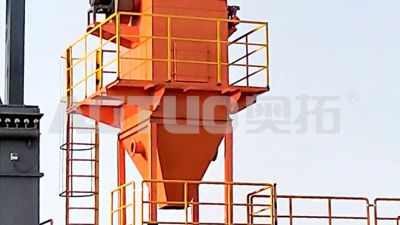
Efficient Dust Removal Solutions: An Overview of the China Pulse Single Machine Air Box Bag-Type Dust Collector
Efficient dust removal is crucial for maintaining air quality in various industrial environments. The China Pulse Single Machine Air Box Bag-Type Dust Collector stands out as a highly effective solution, capable of handling a processing air volume ranging from 700 to 314,000 m³/h. This versatility allows it to cater to diverse industrial applications, making it an ideal choice for factories, warehouses, and manufacturing facilities looking to improve their air filtration systems.
With a significant filter area between 9.8 and 1,868 m², this dust collector ensures enhanced filtration efficiency. It operates effectively even with an inlet concentration of up to 200 g/m³ while delivering remarkable output performance, achieving export concentrations as low as 10 mg/Nm³. Such advanced capabilities not only meet but often exceed stringent environmental regulations, thereby supporting industries in their efforts to protect both health and safety.
Investing in high-performance air filtration systems like the China Pulse Dust Collector enables companies to prioritize environmental responsibility while achieving operational efficiency. By utilizing this state-of-the-art technology, businesses can significantly improve air quality within their facilities, contributing to a safer and more productive working environment.
FAQS
: Dust collection reduces health risks and improves machinery performance, ensuring a safer work environment.
Assess your specific needs, including dust volume, space, and materials processed. Match the unit to these factors.
Regular checks on filters are essential. Clogged filters lower efficiency, so implement a routine maintenance schedule.
Different industries have unique challenges, like woodworking's fine dust or metalworking's larger particles. Know your materials.
Units should capture at least 99% of particles down to 0.5 microns for safety and air quality.
Higher CFM ratings indicate robust units. Match capacity to the machinery that produces dust for best results.
No, some units are stationary while others offer portability. Consider how you’ll use the unit in your workspace.
Quick-clean filters and maintenance accessibility can save time. Regular reviews and adjustments improve overall effectiveness.
Regular assessments are crucial. They help identify inefficiencies that might affect health and productivity.
Don't overlook maintenance needs or noise levels. These can significantly impact comfort and operational costs.
Conclusion
Selecting the best Dust Collection Unit for your business is crucial for maintaining a safe and efficient working environment. Understanding the importance of dust collection tailored to your specific industry needs lays the groundwork for this decision. It’s essential to identify your dust collection requirements based on the materials and processes involved in your operations, as well as to evaluate the various types of dust collection units available on the market.
When choosing a Dust Collection Unit, consider key features such as airflow capacity and filtration efficiency to ensure optimal performance. Budgeting is also vital, as it encompasses both the initial investment and ongoing operational costs. Finally, proper installation and maintenance are critical to maximizing the lifespan and efficiency of your dust collection system. By following these guidelines, you can effectively enhance workplace safety and compliance while improving overall productivity.