You can check out these Dust Control Filters—they're pretty essential when it comes to keeping the air clean in various industrial settings. Not only do they catch harmful dust particles, but they also help things run more smoothly and efficiently. If you've ever worked in construction or manufacturing, you probably know dust can be a real headache — it poses health risks and can even mess up your equipment.
Now, the design of these filters really matters. Basically, they trap dust as air passes through them, stopping pollutants from floating back out into the environment. Plenty of companies out there specialize in making these filters, showing off their expertise. But, choosing the right one is key — you want something reliable so it works well when you need it.
That said, not all filters are created equal. Some might need to be replaced more often, and over time, their performance can suffer. Regular maintenance is a must — it keeps everything working smoothly. Businesses should stay informed and thoughtful about their filtration options. Remember, keeping the air clean isn’t just about following rules; it’s also about caring for your staff's health and making sure everyone stays productive.
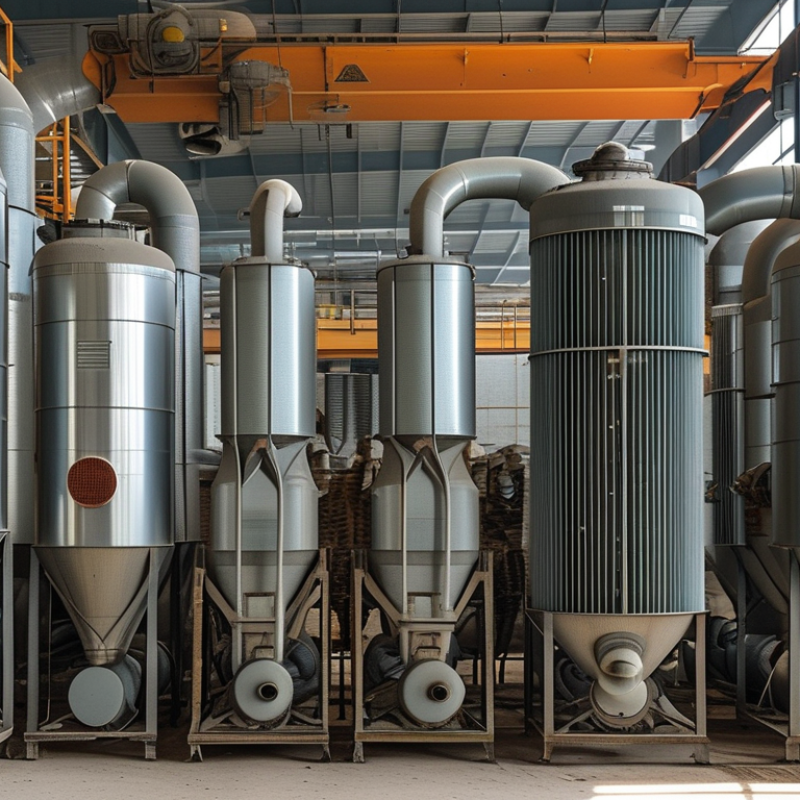
What are Dust Control Filters?
Dust control filters play a vital role in maintaining air quality across various industries. They are designed to capture airborne dust particles, ensuring cleaner environments. According to the Environmental Protection Agency (EPA), indoor air quality can be up to five times worse than outdoor air. This highlights the importance of effective filtration systems.
These filters operate through multiple mechanisms. They commonly use physical barriers, such as mesh or fiber materials, to trap dust particles. Research indicates that filters can capture up to 99% of particles larger than 0.3 microns in size. However, many systems face challenges such as clogging, which decreases efficiency. Regular maintenance is crucial to keep filters functioning at peak performance.
Interestingly, not all dust is visible. Microscopic dust can still pose health risks. The World Health Organization (WHO) estimates that particulate matter contributes to 4.2 million premature deaths annually. This statistic underscores the significance of implementing efficient dust control measures to protect human health and the environment. Ensuring that filters are installed correctly is essential, yet often overlooked.
What is Dust Control Filters and How Do They Work? - What are Dust Control Filters?
| Filter Type |
Efficiency (%) |
Suitable For |
Maintenance Frequency |
Lifespan (months) |
| Polyester Filter |
85 |
Construction, Manufacturing |
Every 3 months |
24 |
| HEPA Filter |
99.97 |
Healthcare, Clean Rooms |
Every 6 months |
36 |
| Electrostatic Filter |
90 |
Residential, Commercial |
Monthly |
18 |
| Activated Carbon Filter |
80 |
Odor Control, Gas Removal |
Every 4 months |
12 |
Types of Dust Control Filters Available
Dust control filters play a crucial role in improving air quality across various industries. These filters work by trapping airborne particles, ensuring a cleaner environment for workers. Different types of dust control filters are available, each designed for specific applications.
One common type of filter is the pleated filter. These filters have a larger surface area, allowing for increased dust capture efficiency. A study found that pleated filters can capture up to 95% of particles as small as 0.3 microns. Another notable option includes cartridge filters, which are effective for high dust load applications. Their compact design allows for easy installation and maintenance. Dust Hog Filters, for example, are designed for heavy-duty operations and can handle significant amounts of dust without clogging quickly.
Electrostatic filters are also gaining traction. These filters use static electricity to attract particles, improving efficiency further. Recent reports indicate that electrostatic filters can achieve over 90% efficiency in various settings. However, they require regular maintenance to ensure optimal performance. In settings with fluctuating dust levels, a hybrid approach combining different filters may be more effective. The choice of filter can significantly impact air quality, worker health, and operational efficiency. Understanding these options helps industries make informed decisions about dust control strategies.
Types of Dust Control Filters and Their Effectiveness
This chart illustrates the effectiveness of different types of dust control filters in reducing particulate matter in the air. The data represents the percentage of dust reduction achieved by various filter types.
How Dust Control Filters Function Mechanically
Dust control filters are essential components in various industrial settings. They primarily function by trapping and eliminating airborne particles. When air passes through these filters, larger particles are captured through mechanical actions like inertia and sieving. The smaller particles are trapped due to electrostatic forces or adhesive properties of the filter media. Each of these mechanisms plays a role in maintaining air quality.
Research indicates that effective dust control can reduce workplace respiratory issues significantly. For example, studies show a reduction of up to 30% in respiratory ailments with proper filtration. This highlights the importance of using high-quality Dust Control Vacuum systems that integrate advanced filter technology. Mechanically, these systems often employ multiple stages of filtration, including pre-filters for larger particles, followed by finer filters for smaller dust.
Despite the advancements, challenges remain in dust control technology. Not all environments can accommodate the ideal dust control vacuum. Filter maintenance is critical and often demands regular checks and replacements. Moreover, varying dust compositions can affect filter efficiency. Understanding these factors can help industries choose appropriate solutions that balance cost and effectiveness. Improved education on filter usage could lead to better air quality outcomes in workplaces.
Applications of Dust Control Filters in Various Industries
Dust control filters play a crucial role in maintaining air quality across various industries. In manufacturing, for example, the annual cost of poor air quality can reach millions. Industries such as woodworking and metal fabrication generate substantial dust, necessitating effective filtration systems. According to the U.S. Environmental Protection Agency, inhalable particulate matter contributes to serious health issues, highlighting the importance of dust control.
In construction, dust control filters significantly reduce airborne particles. A report from the National Institute for Occupational Safety and Health states that construction workers face high dust exposure levels. This exposure can lead to respiratory disorders if not properly managed. Implementation of filter systems can minimize hazards, promoting safer work environments.
Mining operations also face similar challenges. The Society for Mining, Metallurgy, and Exploration estimates dust can constitute 20% of a mine’s operational risks. Effective dust control measures not only reduce health risks but also enhance productivity. However, many companies struggle with outdated systems. Continuous evaluation and integration of advanced technologies are essential. Dust control filters must evolve with industry needs to remain effective.
Benefits of Using Dust Control Filters
Dust control filters play a crucial role in various industries. Their primary function is to trap airborne particles and improve air quality. By using these filters, facilities can significantly reduce dust pollution. This is important for worker health and safety.
One key benefit is the enhancement of workplace conditions. Clean air leads to fewer respiratory problems. Employees experience increased comfort and productivity. Moreover, dust control filters protect equipment from damage. This can reduce maintenance costs over time.
However, using dust control filters also requires ongoing attention. Filters need regular replacements to function effectively. Neglecting maintenance can lead to decreased efficiency. It's essential to watch for signs of wear. Proper monitoring can ensure these filters provide the benefits intended. A commitment to regular checks can enhance their reliability.
Maintenance and Care for Dust Control Filters
Proper maintenance of dust control filters is crucial for optimal performance. Regular inspection ensures that filters remain effective in trapping airborne particles. Over time, filters can accumulate dust and debris, leading to reduced airflow and diminished efficiency. It is essential to follow the manufacturer’s guidelines on cleaning and replacing filters. Check them monthly for visible dust buildup. Use a soft brush or vacuum to gently clean them if needed.
When operating in a workshop environment, such as a woodworking shop, dust control becomes even more critical. Dust particles can not only affect air quality but also pose risks to machinery and workers. Implementing a routine cleaning schedule can prevent excessive dust accumulation. However, be cautious during filter cleaning. Inadequate handling might release trapped particles back into the air, creating hazards.
Remember, the goal is to maintain a balance. Filters need to be functional yet not overly stressed. If a filter shows signs of damage or prolonged wear, it’s better to replace it completely. Unexamined filters can lead to operational inefficiencies. Regular care helps ensure that Workshop Dust Control remains effective in maintaining a safe and clean working environment.
Challenges and Limitations of Dust Control Filters
Dust control filters play a vital role in managing airborne particles in various industries. However, they come with challenges and limitations that need addressing. One significant issue is their efficiency in different environments. According to a report from the Environmental Protection Agency (EPA), removing 99% of particulate matter requires a combination of advanced filter technologies. Standard filters may struggle in high-dust scenarios, leading to the necessity of frequent replacements.
Another challenge is the maintenance of these filtration systems. Filters require regular inspection and cleaning to maintain optimal performance. A study by the American Industrial Hygiene Association suggests that poorly maintained filters can lose up to 50% of their efficiency over time. This fact highlights a critical reflection point: facilities often overlook routine upkeep.
Furthermore, the initial cost of implementing high-quality Industrial Dust Control systems can deter small businesses. However, investing in better technology may lead to long-term savings in health costs and productivity. Data indicates that poor air quality can result in a 12% decrease in worker performance. Therefore, the trade-off between upfront costs and long-term benefits warrants careful consideration in industrial dust control strategies.
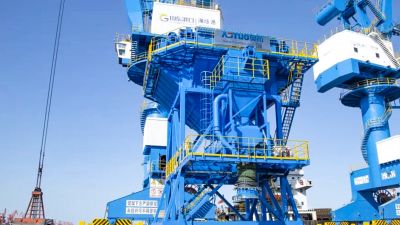
Eco-Friendly Dust Suppression Solutions: The 400 TPH Shandong Weifang Port Machine from China Suppliers & Factory
The recent advancements in dust suppression technology are revolutionizing loading and unloading operations in ports, with a clear focus on eco-friendliness. The Environment-friendly Dust Suppression Integrated Loading and Unloading Machine, capable of handling up to 400 TPH with a maximum instantaneous capacity of 500 TPH, exemplifies this innovation. Designed primarily for materials like cement clinker, petroleum coke, and grain, this machinery not only improves efficiency but also prioritizes environmental standards by maintaining dust emission concentrations below 30 mg/Nm³ around hopper areas and as low as 10 mg/Nm³ during loading conditions.
In the context of global environmental standards, it's crucial to adopt equipment that reduces pollution levels and minimizes overall noise. The overall noise level produced by this machine stays at or below 80 dB, aligning with regulations that are critical for maintaining a safe working environment. Reports indicate that port operations are responsible for a significant portion of ambient pollution, making it imperative for operators to adopt more sustainable practices. By integrating this state-of-the-art dust suppression technology, ports can not only comply with stringent environmental policies but also enhance their operational efficacy—thereby supporting a more sustainable future for the logistics industry.
FAQS
: Dust control filters capture airborne dust particles. They help maintain air quality in various industries.
They use physical barriers like mesh or fibers to trap dust. Some can capture up to 99% of particles larger than 0.3 microns.
Clogged filters decrease efficiency. Regular maintenance ensures filters function well and contribute to cleaner air.
Common types include pleated filters and cartridge filters. Each type is suited for specific applications and dust loads.
Electrostatic filters can achieve over 90% efficiency. Proper maintenance is crucial for their optimal performance.
Poor air quality in manufacturing can cost millions annually. Effective filtration systems are essential for health and productivity.
They reduce airborne particles, minimizing health risks like respiratory disorders for workers in dusty environments.
Dust constitutes significant operational risks in mining. Many companies still use outdated systems, needing regular evaluations.
Improper installation can compromise air quality. This critical detail is often overlooked and can lead to serious health issues.
Understanding specific needs and dust levels is vital. A hybrid approach may be best for fluctuating dust conditions.
Conclusion
Dust Control Filters are specialized devices designed to capture and reduce particulate matter in the air, improving air quality in various environments. They come in various types, including mechanical filters, electrostatic filters, and cartridge filters, each offering different mechanisms for dust capture. These filters operate mechanically by trapping dust particles through fibrous materials or charged surfaces, making them effective in numerous industrial applications, from manufacturing to food processing.
The benefits of using Dust Control Filters are significant, including enhanced workplace safety, improved equipment lifespan, and compliance with health regulations. However, regular maintenance is essential to ensure optimal performance, as clogged filters can lead to reduced efficiency. While effective, Dust Control Filters also face challenges, such as the need for frequent replacement and potential limitations in capturing very fine particles. Overall, integrating Dust Control Filters into air quality management strategies is crucial for industries looking to maintain a clean and safe working environment.