
Hot Products
AOTUO is a Chinese high-tech enterprise specializing in integrated solutions for dry bulk material port transfer systems, as well as the R&D, manufacturing, and service of high-end dry bulk material port handling equipment.
Contact Us
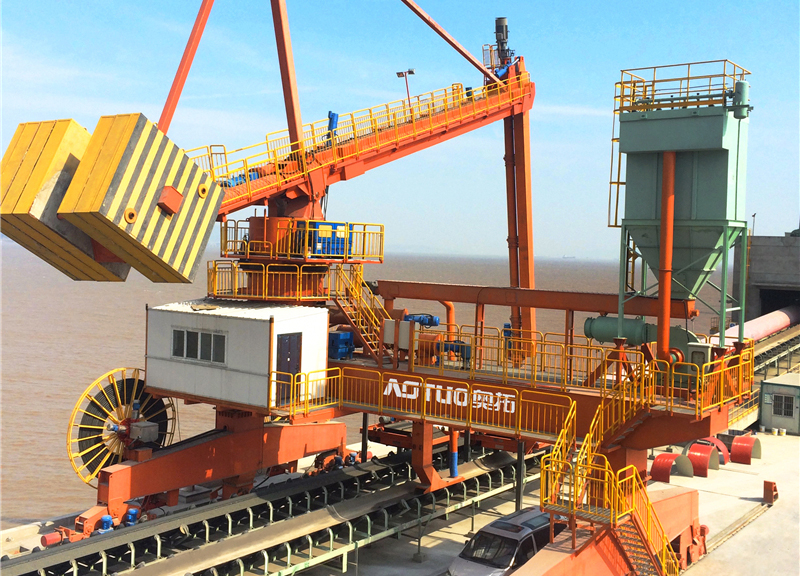
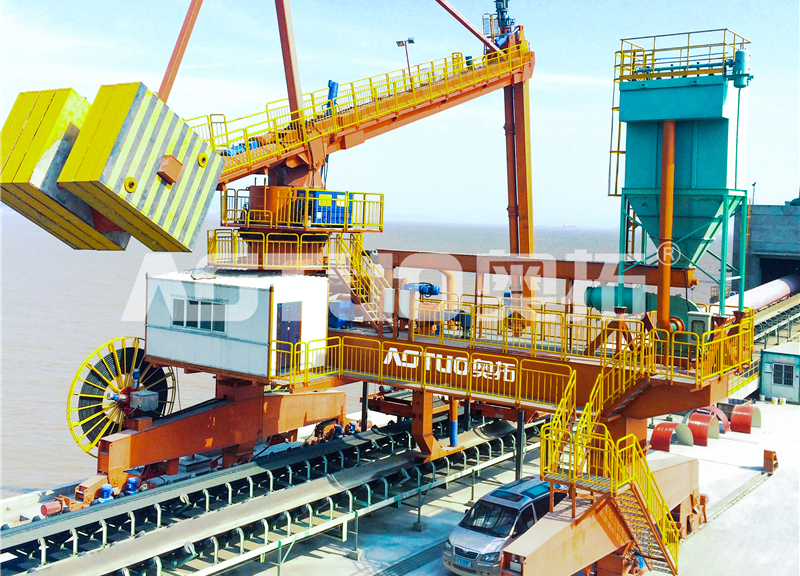
China Suppliers Factory: Yueqing Conch Cement Rail-Mounted Screw Ship Unloader for Efficient Mineral Powder Transfer
Project Introduction
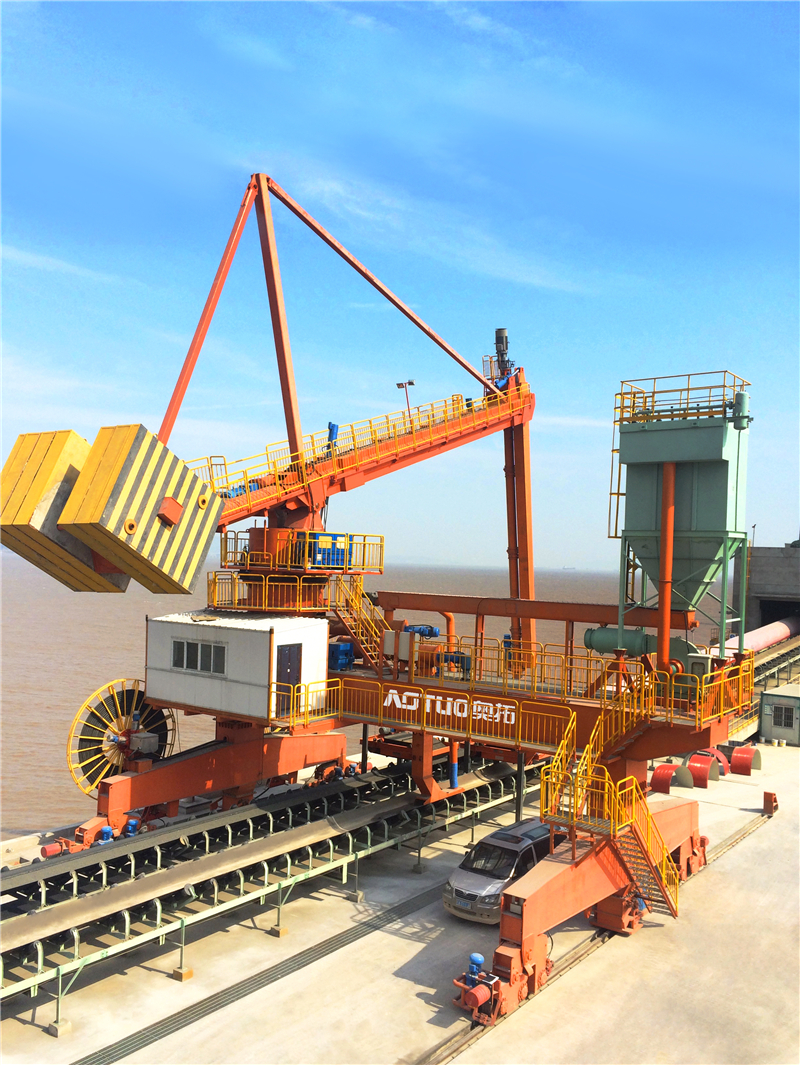
The mineral powder and fly ash from the 20,000 DWT transport ship at the berth are unloaded and conveyed to the shore-side belt conveyor via the screw conveyor of the unloader. They are then transported to the storage area through the rear conveying system, with an annual throughput capacity of 1 million tons per year.
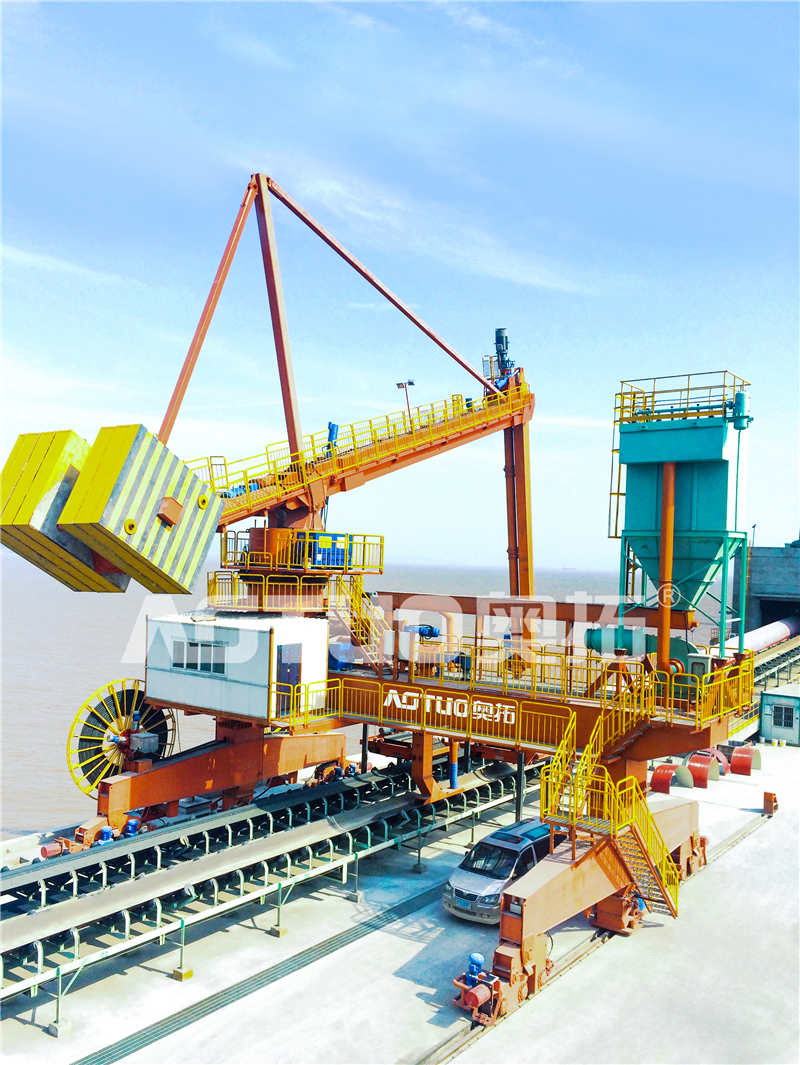
Equipment Introduction
Powdery material is collected by the reclaiming device, then extracted by the reclaiming screw conveyor. A vertical screw conveyor performs the crucial height elevation, after which the material is transferred via the horizontal section of the horizontal screw conveyor to the belt conveyor at the base of the unloader's gantry crane, completing the continuous ship unloading operation.
Frequently Asked Questions
What is the maximum handling capacity of this ship unloader?
The system is designed with an annual throughput capacity of 1 million tons per year, specifically optimized for high-efficiency continuous operations.
What types of transport ships can the Yueqing Conch Cement unloader service?
This rail-mounted ship unloader is designed to handle transport ships at the berth with a capacity of up to 20,000 DWT (Deadweight Tonnage).
Which materials are suitable for this unloading equipment?
The equipment is specifically engineered for handling powdery materials, including mineral powder and fly ash.
How does the continuous unloading process work?
The material is collected by a reclaiming device, moved through a vertical screw conveyor for elevation, and then transferred via a horizontal screw conveyor to the gantry crane’s base belt conveyor.
Where does the material go after being unloaded from the ship?
After passing through the unloader's internal screw systems, the material is transferred to a shore-side belt conveyor and then moved to the designated storage area via a rear conveying system.
01
Intelligence

02
High Efficiency
03
Revolution
04
Environmental