- Home
- Company
- Products
- Solution
- Service
- News
- Contact
Leave Your Message
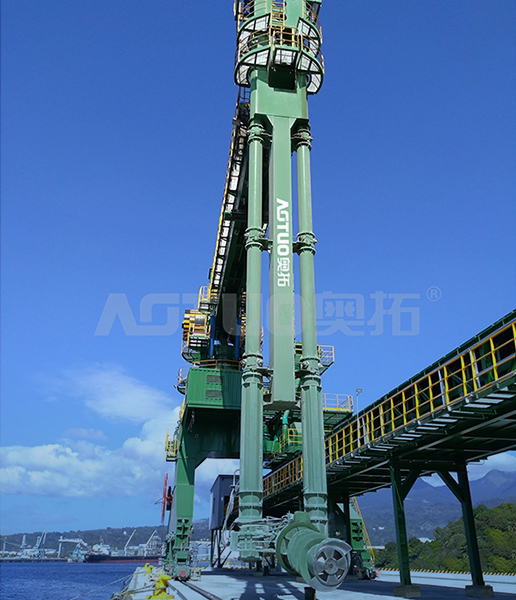
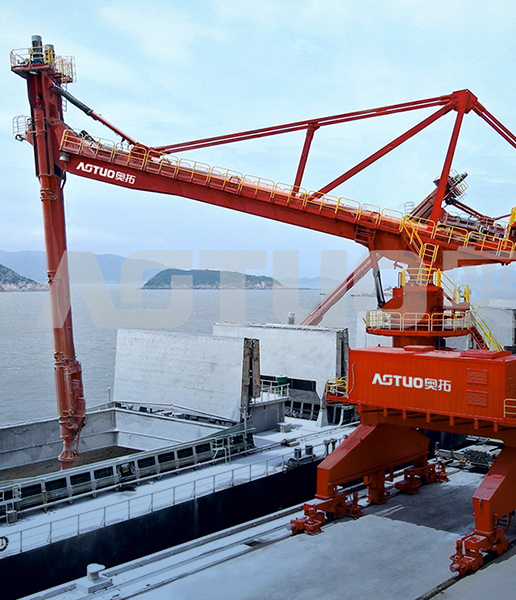
Our premium dust control and material transfer solutions have been successfully deployed across major industrial hubs in Japan, demonstrating exceptional reliability and compliance with stringent local environmental standards.
Welcome to the definitive guide on Circular Saw Dust Bag Manufacturers and Factories in the Japan market. Japan has long been globally recognized for its unparalleled precision in manufacturing, woodworking, and construction. In a nation where craftsmanship meets high-tech automation, the management of industrial byproducts—specifically wood dust, metal shavings, and particulate matter—is not merely an afterthought, but a critical component of the production ecosystem.
A circular saw dust bag is an essential accessory designed to capture and contain the fine particulate matter generated during cutting operations. In the Japanese market, where workspace optimization and strict environmental regulations are paramount, the demand for highly efficient, durable, and technologically advanced dust collection bags has surged. Local manufacturers and international factories supplying the Japanese market are continually innovating to meet the exacting standards of Japanese Industrial Standards (JIS) and the Ministry of Health, Labour and Welfare's occupational safety guidelines.
The business landscape for dust control equipment in Japan is deeply intertwined with the country's robust construction, traditional woodworking (such as the revered *daiku* carpentry), and modern CNC machining sectors. Urbanization in megacities like Tokyo and Osaka necessitates rigorous dust control to prevent environmental contamination in densely populated areas. Consequently, a circular saw dust bag manufacturer operating in this space must produce products that offer near-perfect filtration efficiency.
Currently, the market is witnessing a shift from disposable, low-efficiency bags to sustainable, high-capacity, and reusable filtration systems. Factories supplying Japan are increasingly utilizing advanced materials such as PTFE (Polytetrafluoroethylene) membranes and nano-fiber coatings. These materials ensure that even the finest microscopic dust particles, which pose severe respiratory risks, are effectively trapped. The integration of such materials highlights the transition of the Japanese market toward premium, health-conscious industrial tools.
As Japan leads the world in Industry 4.0 and smart manufacturing, the humble circular saw dust bag is undergoing a technological renaissance. Modern factories are now integrating AI-driven sensors and IoT (Internet of Things) technology into dust collection systems. These smart dust bags and their corresponding receptacles can monitor airflow, detect pressure drops, and alert operators via mobile applications when the bag needs emptying or replacement.
This AI technology not only prevents equipment damage caused by motor overheating but also ensures continuous optimal suction power. For factories in the Japan market, adopting these smart manufacturing techniques means less downtime, enhanced worker safety, and a significant reduction in maintenance costs. The aesthetic and functional design of these tech-integrated dust bags perfectly aligns with the Japanese philosophy of *Kaizen* (continuous improvement), ensuring that every cut made by a circular saw is clean, safe, and efficient.
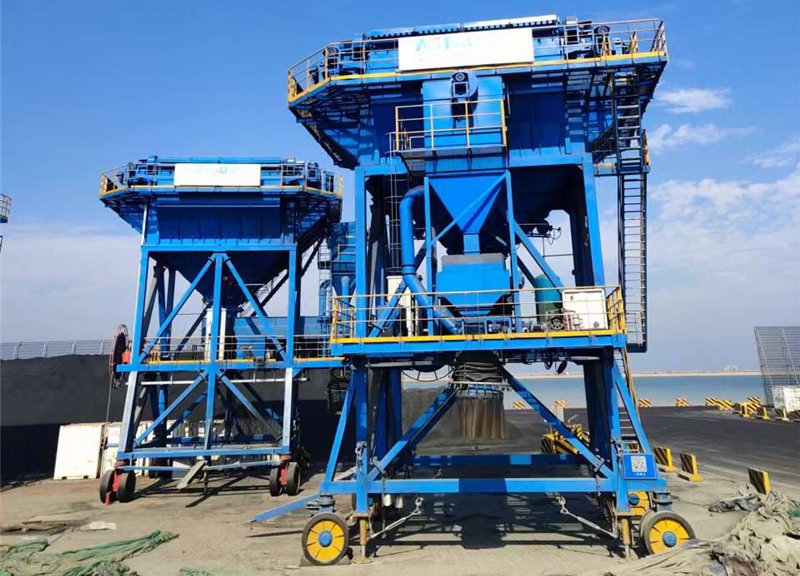
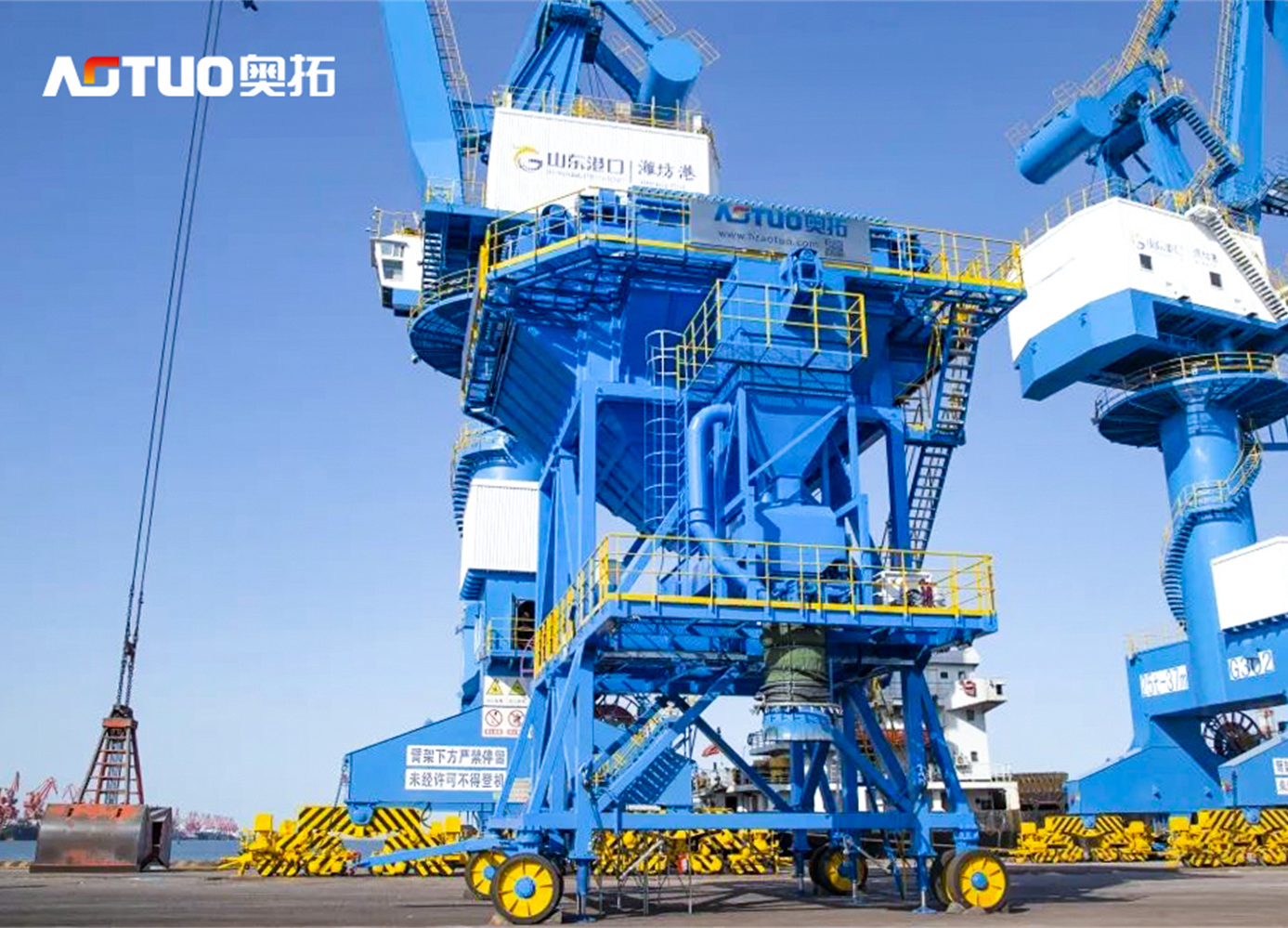
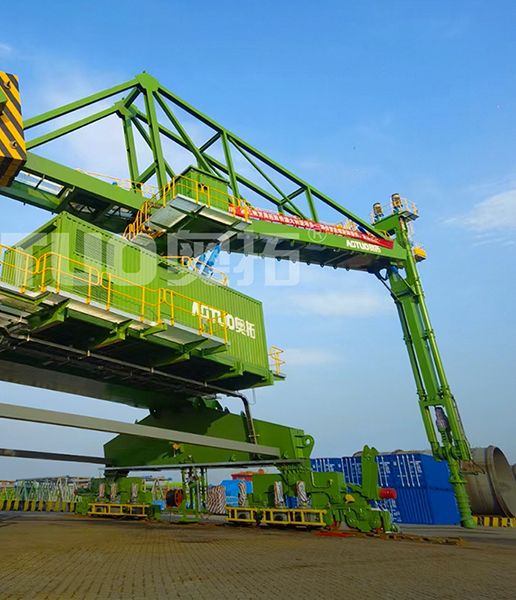
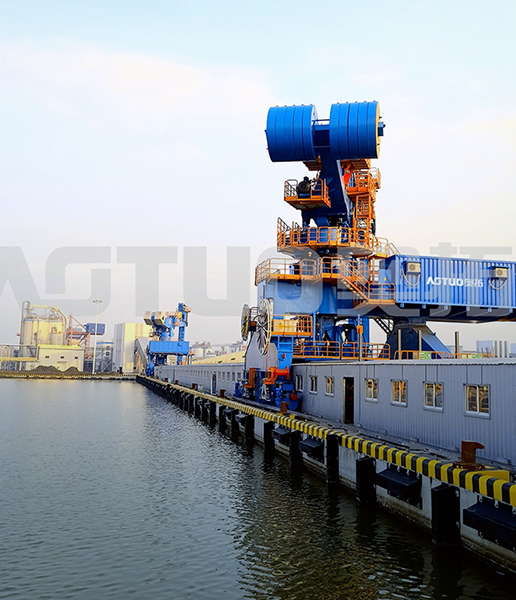
We specialize in providing overall solutions for bulk material transfer, storage, and transportation systems, as well as the R&D, design, manufacturing, and sales of high-end loading and unloading equipment for powdery and granular bulk materials.
Over the past two decades, our enterprise has dedicated itself to the research, development, and manufacturing of advanced equipment, becoming a benchmark for industrial excellence. Along inland riverbanks, as well as in seaports and docks globally, our equipment has been widely deployed. Our comprehensive manufacturing and service system has earned widespread acclaim from customers, and our products and services have been exported to countries such as Australia, Korea, Singapore, the Philippines, Vietnam, Malaysia, Indonesia, Sri Lanka, Russia, and highly demanding markets like Japan.
The application of circular saw dust bags spans various localized scenarios across Japan's diverse industrial landscape. In the bustling urban construction sites of Tokyo, contractors utilize highly compact and efficient dust bags to comply with strict municipal noise and air pollution ordinances. Here, space is at a premium, and dust bags must be easily maneuverable without sacrificing capacity.
In Kyoto, where traditional wooden architecture and heritage restoration are prominent, artisans rely on specialized dust bags that gently yet effectively capture fine cedar and cypress dust, preserving the pristine environment of historic workshops. Meanwhile, in the high-tech manufacturing hubs of Osaka and Nagoya, heavy-duty circular saws used for cutting composite materials and metals require robust, fire-retardant dust bags. Factories producing these items must rigorously test them against sparks and high-velocity debris, ensuring absolute safety on the factory floor.
For businesses looking to source from a circular saw dust bag manufacturer in the Japan market, several critical factors must be evaluated. First is the factory's commitment to quality control. Japanese consumers and businesses expect zero defects. Therefore, selecting a factory with ISO 9001 certification and a proven track record of exporting to Japan is non-negotiable.
Second is the capability for customization. Different circular saw models (e.g., Makita, Hitachi/HiKOKI, Ryobi—brands deeply rooted in Japan) require specific connector sizes, zipper placements, and fabric porosities. A top-tier factory must possess advanced CAD design teams and automated sewing machinery to produce tailored solutions rapidly. Finally, supply chain resilience is vital. Factories must demonstrate stable procurement of raw materials and efficient logistics networks to ensure timely delivery to Japanese distribution centers, even amidst global supply chain fluctuations.
Looking ahead, the future of the circular saw dust bag industry in the Japan market is unequivocally green. Aligning with Japan's aggressive carbon neutrality goals for 2050, manufacturers are pioneering the use of recycled PET plastics and biodegradable fabrics in their dust bags. The concept of a circular economy is taking root, where the dust bags themselves are fully recyclable at the end of their lifecycle.
Furthermore, the integration of AI and data analytics will only deepen. We anticipate the rise of fully automated dust management ecosystems where circular saws, dust bags, and central factory ventilation systems communicate in real-time to optimize energy usage and air quality. By partnering with forward-thinking factories, businesses in Japan can not only ensure compliance with future environmental regulations but also champion a safer, cleaner, and more technologically advanced industrial sector.
Explore our extensive range of localized equipment and solutions tailored for the demanding standards of Japanese industries, from precise dust collection to heavy-duty material transfer.