- Home
- Company
- Products
- Solution
- Service
- News
- Contact
Leave Your Message
Brazil stands as a global industrial titan, from the iron ore mines of Minas Gerais to the vast agricultural landscapes of Mato Grosso. In these high-intensity environments, Conveyor Cooling Systems are not just equipment; they are the lifeline of production efficiency and material integrity.
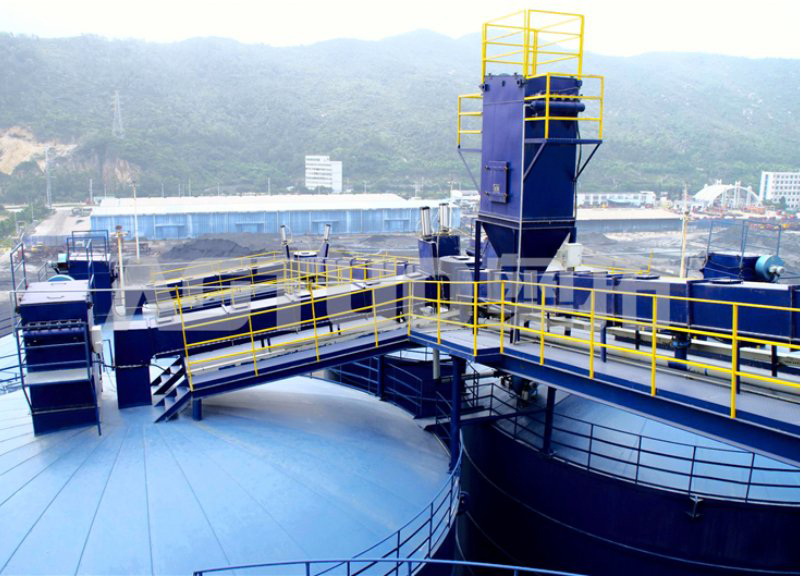
Brazil is one of the world's largest producers of iron ore. In the processing plants of companies like Vale, materials often leave kilns or furnaces at extreme temperatures. Our conveyor cooling systems are specifically engineered to handle the abrasive nature of Brazilian ore while providing rapid thermal reduction, preventing damage to downstream rubber belts and ensuring safe handling at the Port of Tubarão or the Port of Itaqui.
As a leader in soybean and corn exports, Brazil requires sophisticated logistics. High-speed conveying often generates friction heat, and in the humid tropical climate, moisture control is critical. Our cooling conveyors integrate ambient air and specialized ventilation to ensure grains remain at optimal temperatures during silo loading, preventing spoilage and maintaining the premium quality of Brazilian exports.
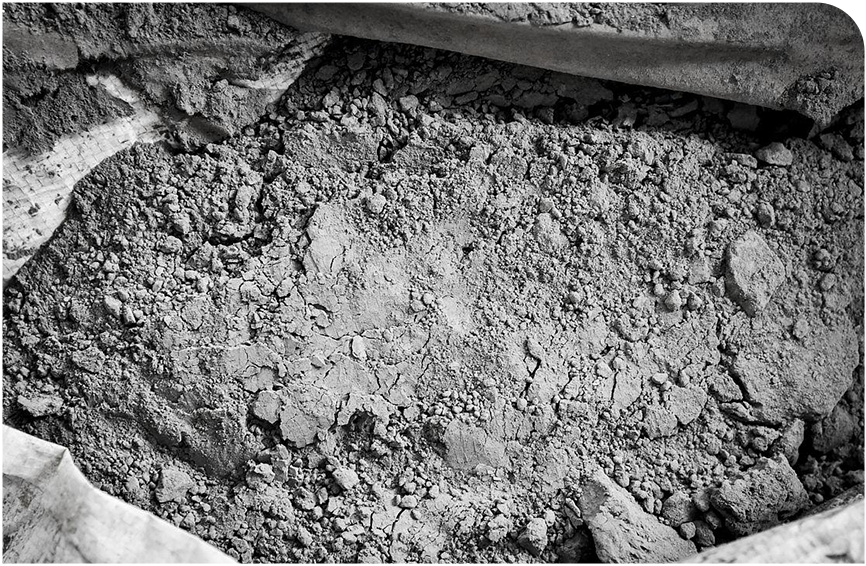
With massive infrastructure projects across São Paulo and Rio de Janeiro, the Brazilian cement industry is evolving. Handling hot clinker requires specialized Air Slide Conveyors and heat-resistant belt systems. Our technology ensures that the clinker is cooled efficiently, reducing the energy footprint of the factory and speeding up the packaging process.
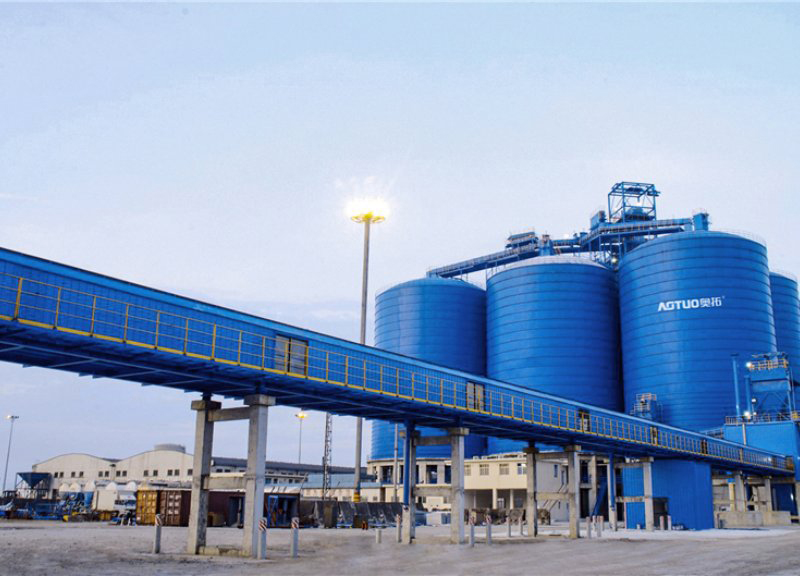
We specialize in providing overall solutions for bulk material transfer, storage, and transportation systems, as well as the R&D, design, manufacturing, and sales of high-end loading and unloading equipment for powdery and granular bulk materials.
Brazilian factories are increasingly adopting Industry 4.0. Our cooling systems now feature smart sensors that monitor temperature in real-time, sending data to centralized control rooms to optimize airflow and belt speed automatically.
With Brazil's focus on green energy, our conveyor cooling systems are designed with high-efficiency motors and heat recovery options, helping Brazilian companies meet their carbon reduction targets.
As logistics hubs like the Port of Santos expand, modular conveyor designs allow for quick scaling. Our factory serves Brazil with ready-to-install modules that minimize downtime during facility upgrades.
The company's products and services have been exported to countries such as Australia, Korea, Singapore, the Philippines, Vietnam, Malaysia, Indonesia, Sri Lanka, and Russia, and are well-received by customers. We are now bringing these world-class solutions to the Brazilian market.
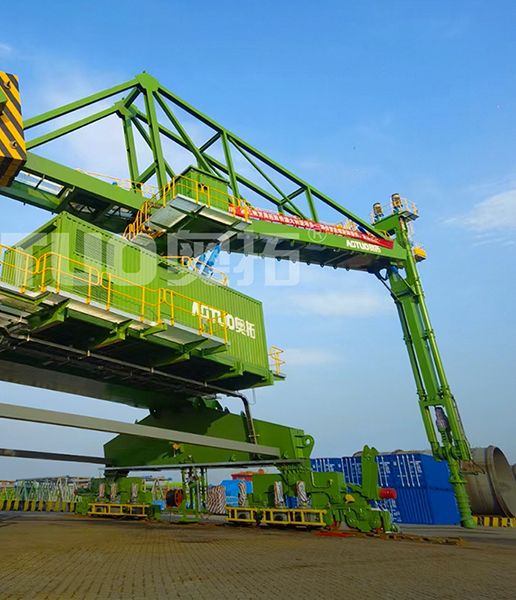
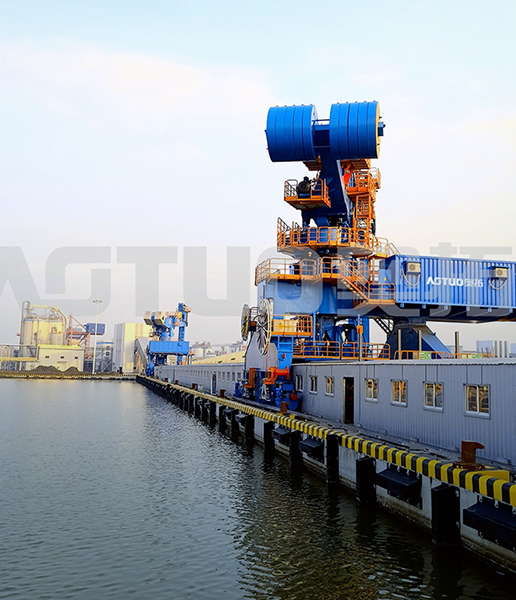
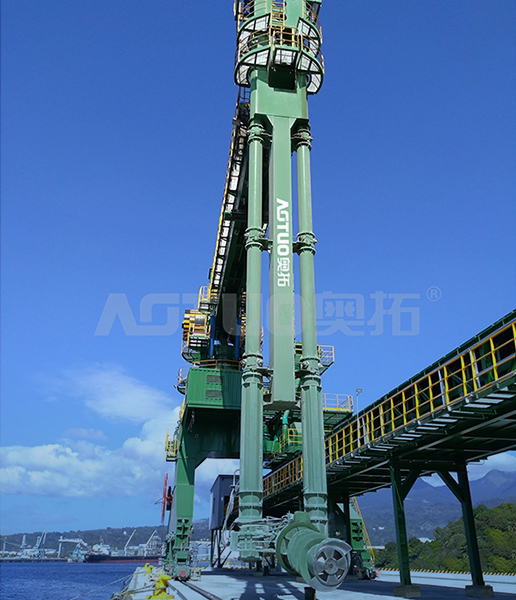
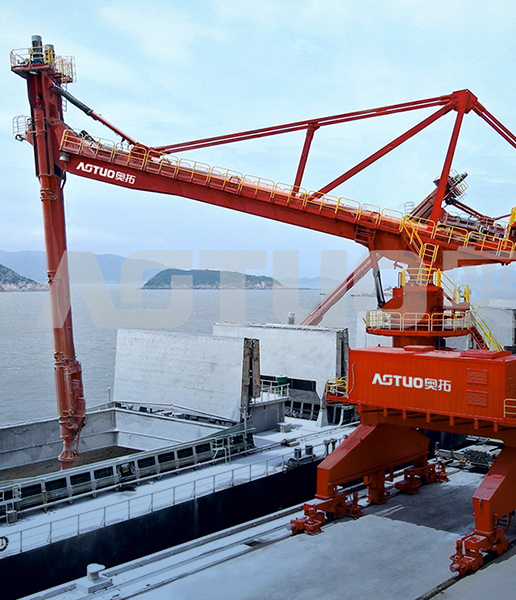
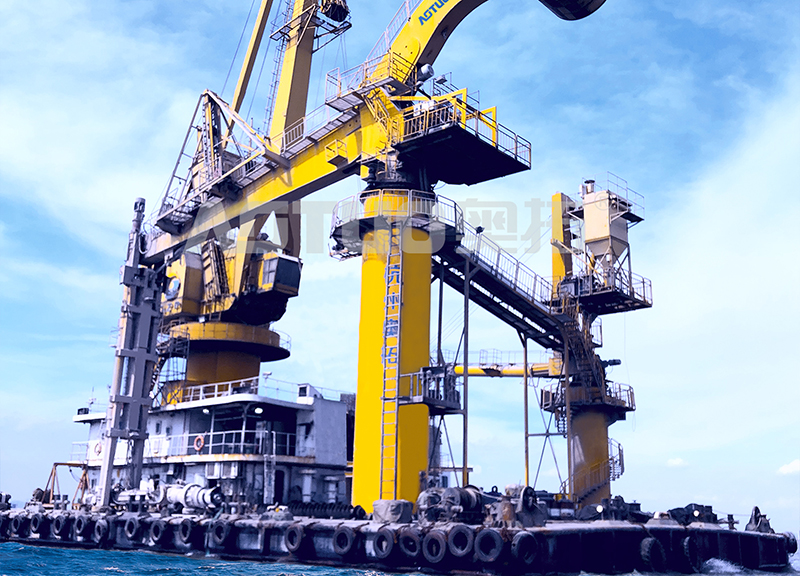
Over the past two decades, AOTUO has dedicated itself to the research, development, and manufacturing of screw ship unloaders, becoming a benchmark for "Chinese products replace imports." Along the Yangtze River and other inland riverbanks, as well as in seaports and docks, its unloading equipment has been deployed across more than twenty provinces in China. Its comprehensive manufacturing and service system has earned widespread acclaim from customers.
Now Expanding to Brazil: We are establishing localized support to serve the Brazilian industrial corridor, ensuring that our conveyor cooling systems operate at peak performance in the unique South American climate.
Years of Industrial Excellence
Customized Engineering for Brazil
Handling materials in the high humidity of the Amazon region requires specialized anti-corrosion coatings and moisture-resistant cooling fans. Our systems are adapted to these extreme conditions, ensuring 24/7 operation for grain and mineral exports.
For deep-pit mining operations, heat dissipation is a major safety concern. Our cooling conveyors help lower the ambient temperature in enclosed transfer stations, protecting both the machinery and the workforce.
During the harvest season, throughput is everything. Our high-capacity belt conveyors (up to 3,000 TPH) allow Brazilian farmers to move record-breaking volumes of produce while integrated cooling prevents thermal damage during rapid processing.