- Home
- Company
- Products
- Solution
- Service
- News
- Contact
Leave Your Message
Explore our core environmental-friendly loading and conveying systems engineered for seamless integration with Japanese port terminals and heavy industrial facilities.
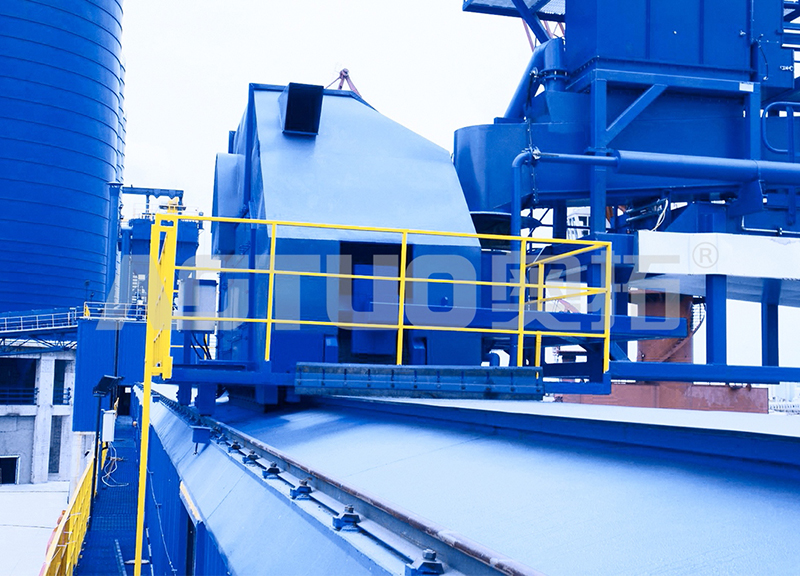
Japan's industrial infrastructure is renowned worldwide for its uncompromising standards of precision, efficiency, and safety. As a leading global economy heavily reliant on the import of raw dry bulk materials—such as coal, iron ore, grains, and cement clinker—the optimization of material flow at ports and inland factories is of paramount importance. The conveyor diverter gate serves as a critical junction component in these operations, enabling the precise redirection of bulk solids from a single feeding source to multiple processing lines, storage silos, or transport vehicles.
In major industrial zones like the Keihin Industrial Region (covering Tokyo, Kawasaki, and Yokohama) and the Hanshin Industrial Region (centered around Osaka and Kobe), manufacturing plants and shipping terminals require highly reliable, automated diverter systems. Aotuo’s specialized engineering provides custom-designed, pneumatic, and electric conveyor diverter gates that meet the rigorous requirements of Japanese operators. Our systems ensure zero material leakage, minimal cross-contamination, and high resistance to wear, making them ideal for continuous, high-volume production lines.
The Japanese bulk material handling industry is undergoing a significant transformation driven by automation, labor shortages, and decarbonization initiatives. As factories strive to achieve "Society 5.0" integration, the demand for smart, self-monitoring mechanical devices has surged. Modern conveyor diverter gates are no longer simple mechanical flaps; they are now integrated with IoT sensors that feed real-time data into industrial automation systems.
Key technological shifts shaping the market include:
In high-throughput environments like Yokohama's coal terminals or Hokkaido's agricultural silos, unexpected downtime can cost millions of Yen per hour. By incorporating electronic wear sensors directly into the abrasive-resistant liners of our diverter gates, operators receive early warnings before a structural failure occurs. This allows maintenance teams to schedule repairs during planned shutdowns, optimizing operational efficiency.
Environmental compliance in Japan is exceptionally strict. Conveyor diverter gates must maintain an airtight seal to prevent fine powders—such as fly ash, cement, and chemical granules—from escaping into the atmosphere. Aotuo utilizes advanced polyurethane and silicone seals combined with precision-machined blade tolerances to guarantee dust-tight operation, safeguarding both the environment and worker health.
With Japan's commitment to carbon neutrality, industrial plants are actively reducing energy consumption. Switching from traditional pneumatic cylinders to high-efficiency electric actuators for diverter gate operation reduces energy waste and allows for more precise control over the flow-splitting angle, enabling proportional feeding to multiple downstream lines.
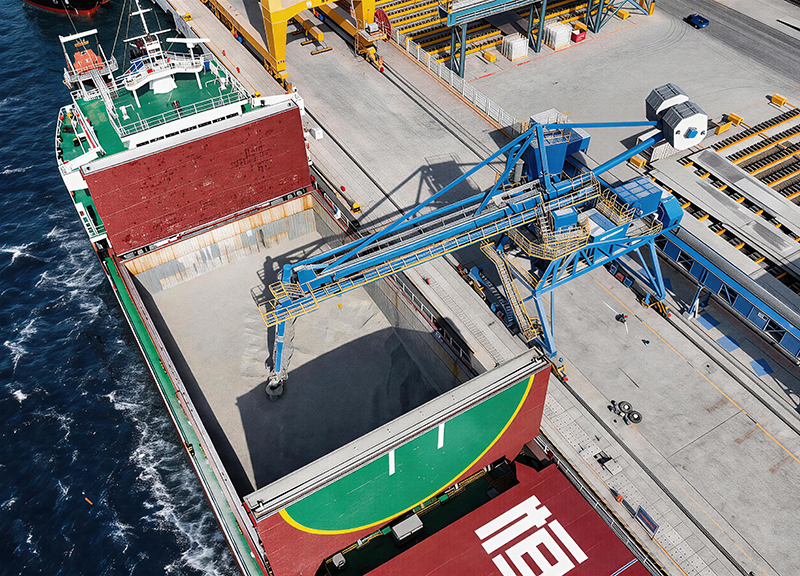
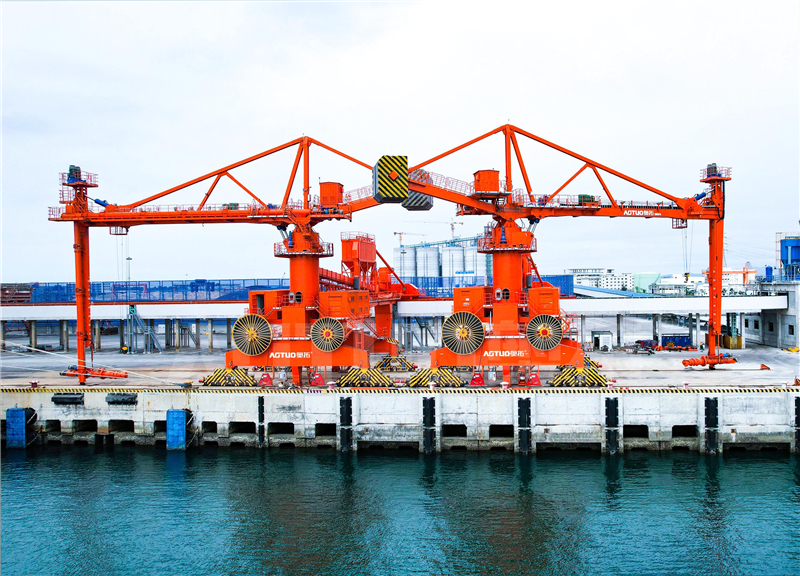
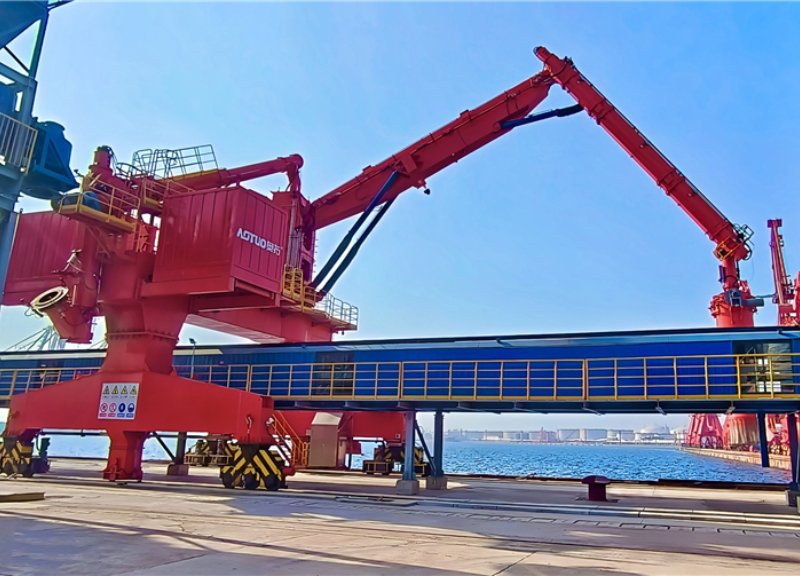
Hangzhou Aotuo Mechanical & Electrical Co., Ltd. (referred to as "Aotuo") was established in 2003. It is a high-tech enterprise specializing in comprehensive solutions for dry bulk cargo terminal loading and unloading systems, as well as the research, manufacturing and service of high-end dry bulk cargo port loading and unloading equipment. Since its establishment, the company has led the drafting of 4 Chinese national industry standards and holds over 100 invention patents and utility models. It is one of the leading enterprises in the industry in China. Aotuo's core products serve 200+ ports and terminals worldwide. The loading and unloading materials cover grains, coal, cement clinker, fertilizer raw materials, copper concentrate, stones, cement, mineral powder, fly ash, etc. of various dry bulk materials. The early products have been operating safely and stably for over 20 years, and the products have received high praise from customers in various countries.
To better serve our valued clients in Japan, Aotuo ensures all mechanical designs, electrical components, and safety systems align with Japanese Industrial Standards (JIS) and local regulatory frameworks. Our engineering team collaborates closely with Japanese EPC contractors and plant managers to deliver customized conveyor diverter gates and bulk conveying machinery that integrate seamlessly into existing operations.
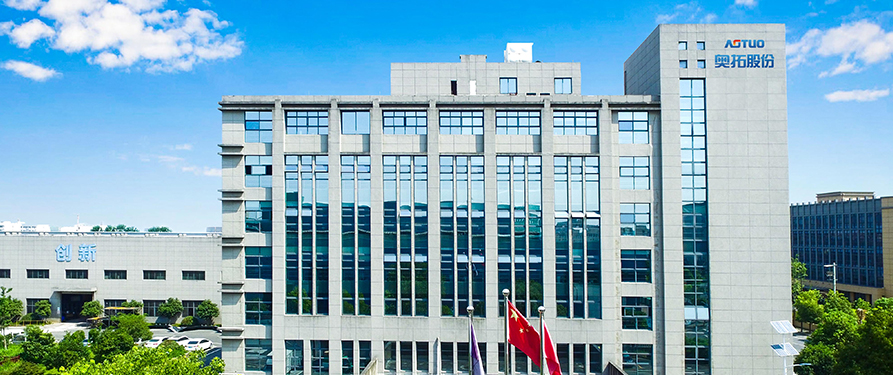
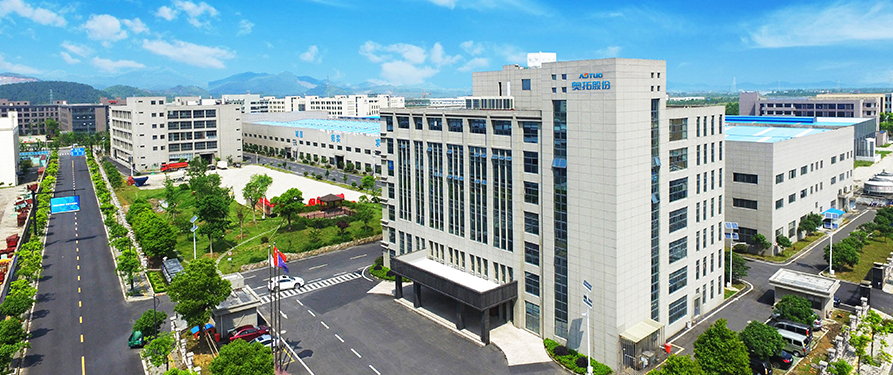
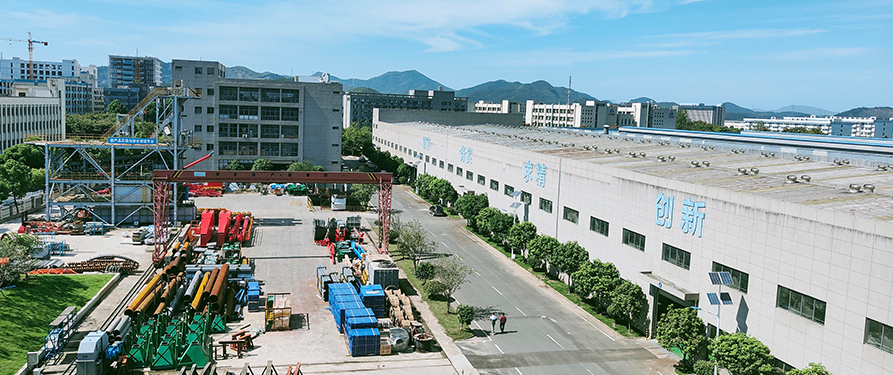
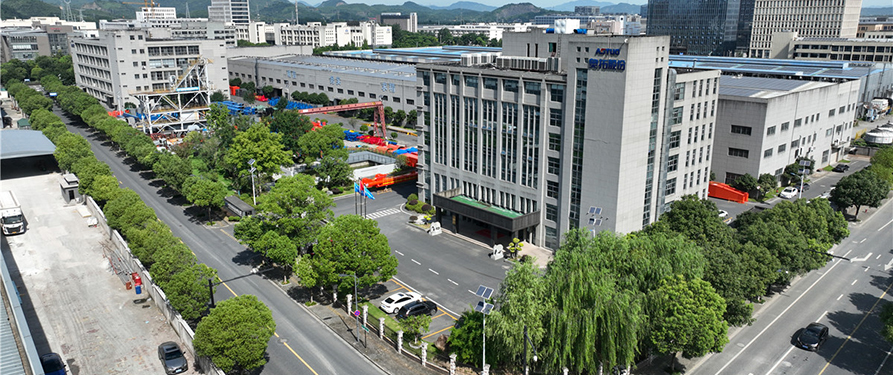
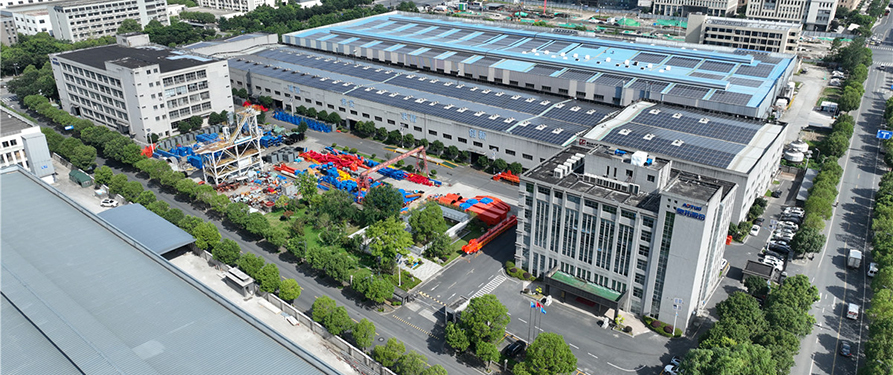
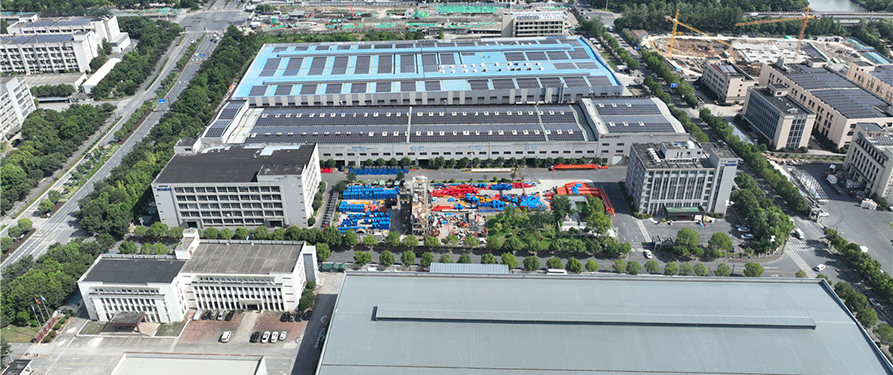
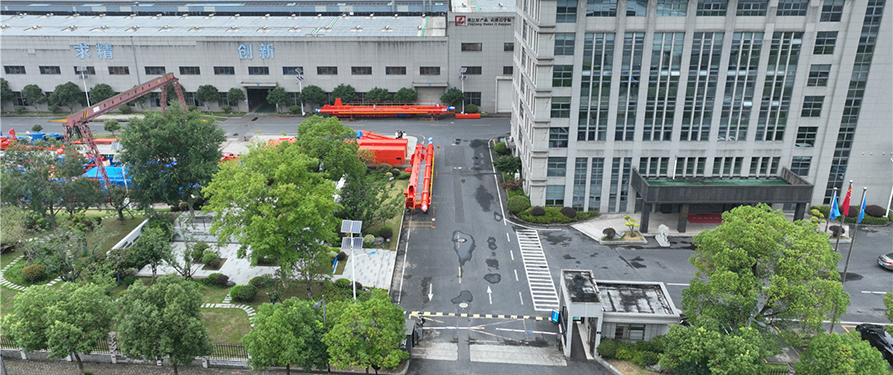
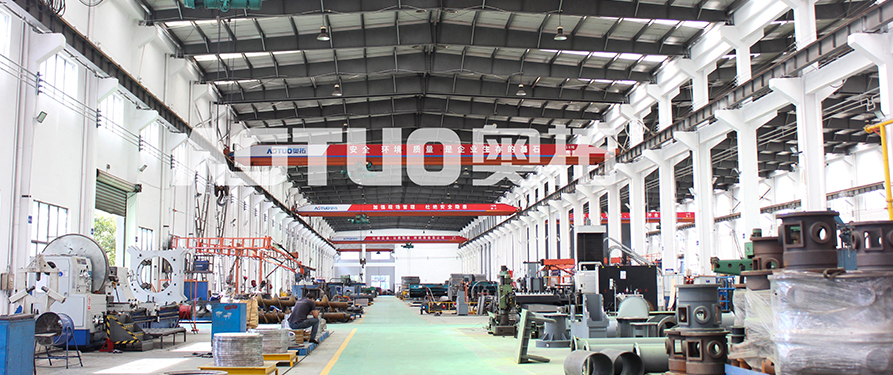
Under the guidance of the Belt and Road Initiative, AOTUO has implemented a global strategy and is actively expanding into international markets, including Japan, Southeast Asia, and beyond.
When sourcing a conveyor diverter gate from a manufacturer, selecting the correct configuration is critical to ensure long-term performance and prevent material blockages. Different bulk materials exhibit unique flow characteristics, abrasiveness, and moisture levels, which dictate the gate design.
We manufacture three primary types of diverter gates suitable for Japanese industrial operations:
Aotuo manufactures a complete suite of bulk handling and conveying machinery designed to meet the rigorous standards of global industrial operations.