- Home
- Company
- Products
- Solution
- Service
- News
- Contact
Leave Your Message
Explore our top-tier dust collection and material handling equipment, highly optimized for strict Japanese environmental standards and industrial applications.
Japan stands as a global powerhouse in industrial manufacturing, renowned for its meticulous engineering, often referred to as Monozukuri. As the nation rapidly advances its industrial output in sectors such as automotive manufacturing, semiconductor fabrication, metallurgy, and food processing, the demand for highly efficient environmental control systems has surged. A Dust Collection Unit Factory & Manufacturer in Japan is not just a producer of machinery; it is a vital contributor to the nation's stringent environmental compliance and public health safety. The Japanese Air Pollution Control Act strictly regulates the emission of particulate matter (PM), volatile organic compounds (VOCs), and other hazardous industrial byproducts. Consequently, manufacturers in this region are compelled to engineer dust collection units that offer ultra-high filtration efficiency, often exceeding 99.99% for fine particulates.
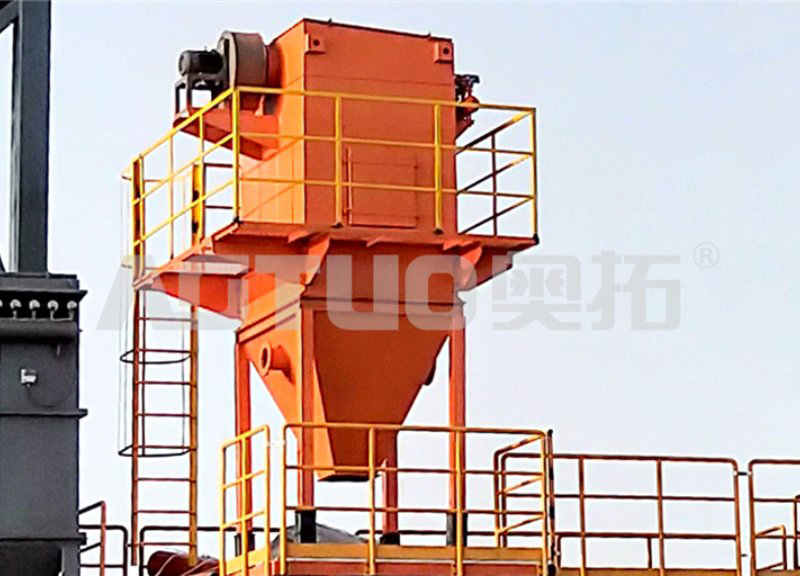
The industrial landscape in Japan is uniquely characterized by high-density urban planning and limited spatial availability within factory footprints. This geographical constraint has driven local manufacturers to innovate highly compact, modular dust collection units that do not compromise on airflow capacity or filtration area. By utilizing advanced pleated filter cartridges and nano-fiber media, these systems maximize the surface area within a remarkably small chassis. Furthermore, the integration of smart technologies is reshaping the industry. Modern Japanese dust collectors are frequently equipped with IoT (Internet of Things) sensors that monitor differential pressure, airflow velocity, and particulate concentration in real-time. This data is fed into AI algorithms that optimize the pulse-jet cleaning cycles, significantly reducing compressed air consumption and extending the lifespan of the filter media.
The shift towards Industry 4.0 has profoundly impacted how dust collection units operate in Japanese facilities. Top-tier manufacturers are embedding artificial intelligence into the control panels of their equipment. These AI systems analyze historical operational data to predict when a filter will blind or fail, allowing for proactive maintenance rather than reactive downtime. This predictive capability is crucial in continuous-process industries, such as the cement and steel sectors in the Kansai and Chubu regions, where an unexpected shutdown can result in massive financial losses.
Energy efficiency is another cornerstone of Japanese industrial design, heavily influenced by the nation's commitment to achieving carbon neutrality by 2050. Dust collection units are traditionally energy-intensive, primarily due to the continuous operation of large centrifugal exhaust fans. To combat this, manufacturers in Japan widely adopt Variable Frequency Drives (VFDs) coupled with intelligent airflow sensors. These systems automatically adjust the fan speed based on the actual dust load and the number of active extraction points on the factory floor, leading to energy savings of up to 40% compared to conventional fixed-speed units.
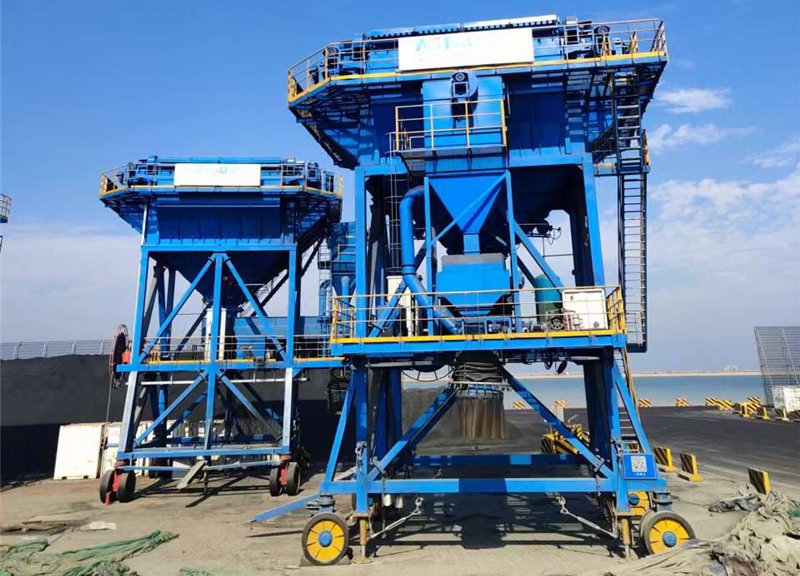
We specialize in providing overall solutions for bulk material transfer, storage, and transportation systems, as well as the R&D, design, manufacturing, and sales of high-end loading and unloading equipment for powdery and granular bulk materials, tailored for the demanding standards of the Japanese market.

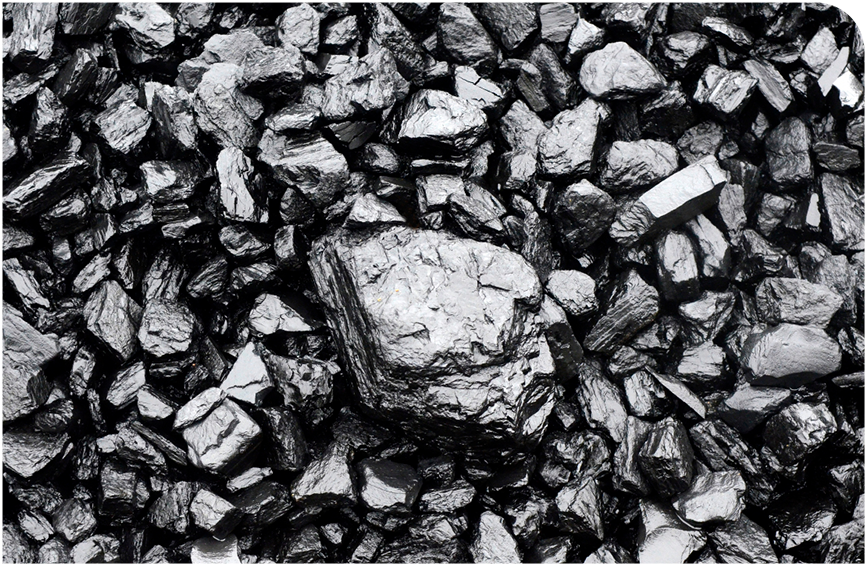
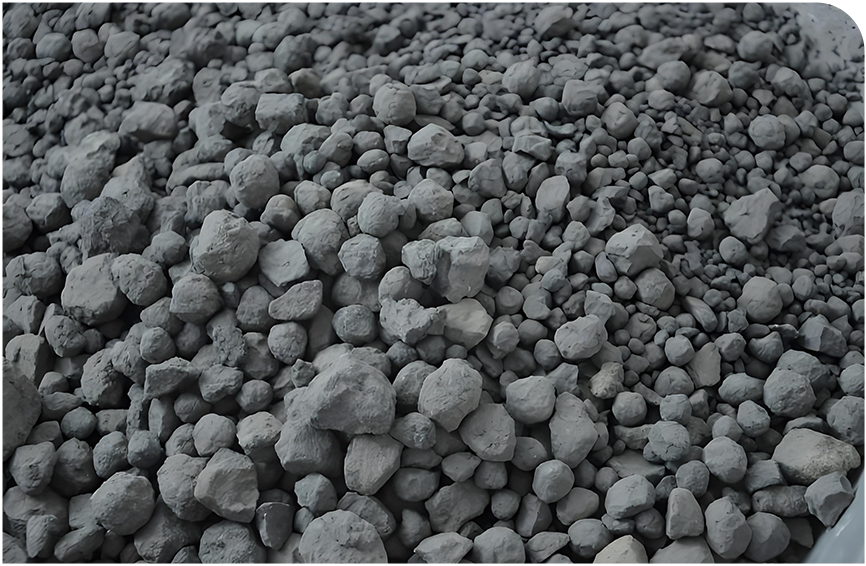

Aichi Prefecture, the heartland of Japan's automotive industry, presents unique challenges for air filtration. The manufacturing processes involve extensive welding, laser cutting, and metal grinding, which generate hazardous metallic dust and toxic welding fumes. Dust collection unit factories supplying this region design specialized cartridge collectors with fire-retardant filter media and integrated spark arrestors. These units are engineered to prevent combustible dust explosions, complying with strict local fire safety regulations. The integration of down-draft tables and localized extraction arms ensures that workers are protected from inhaling microscopic metallic particulates, thereby maintaining a safe and highly productive manufacturing environment.
Kyushu, often referred to as Japan's "Silicon Island," is a major hub for semiconductor and electronic component manufacturing. In these ultra-clean environments, even the slightest particulate contamination can ruin an entire batch of microchips. Dust collection systems here are not standard units; they are highly sophisticated cleanroom-grade extraction systems. Manufacturers utilize HEPA and ULPA filtration technologies capable of capturing particles as small as 0.12 microns. Furthermore, the construction materials of the dust collectors themselves must be meticulously chosen—often utilizing high-grade electropolished stainless steel—to prevent any outgassing or particle shedding from the equipment itself.
Japan's approach to waste management relies heavily on advanced thermal treatment and waste-to-energy (WtE) incineration plants, particularly in densely populated metropolises like Tokyo and Osaka. The exhaust gases from these facilities contain highly toxic compounds, including dioxins, furans, and heavy metals. Dust collection unit manufacturers provide massive, multi-stage baghouses equipped with PTFE (Polytetrafluoroethylene) membrane filter bags. These systems often incorporate dry sorbent injection (using slaked lime or activated carbon) upstream of the baghouse to neutralize acidic gases and adsorb dioxins before the particulate matter is captured by the filters. The reliability of these units is paramount, as they are the primary defense mechanism protecting urban air quality.
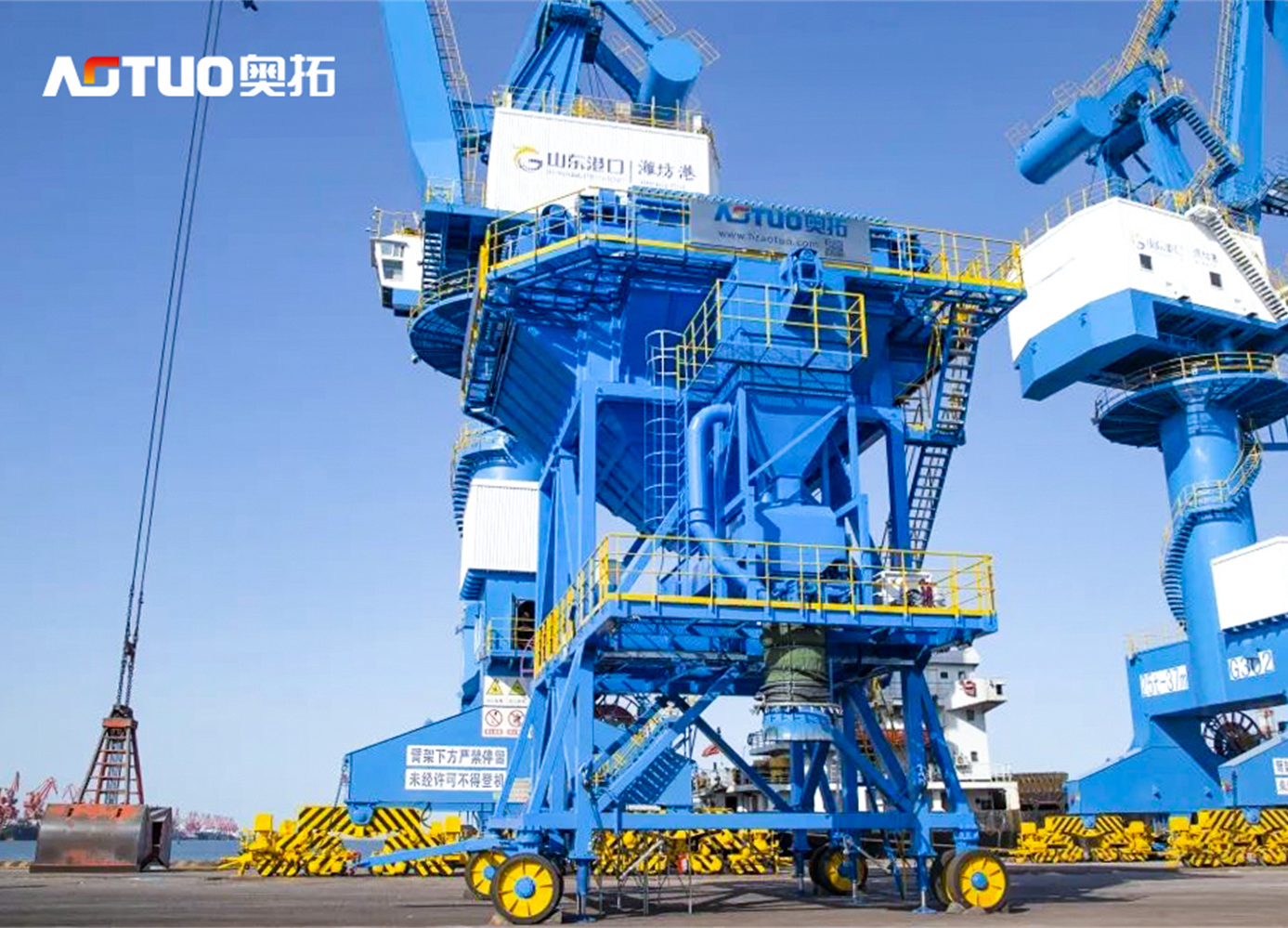
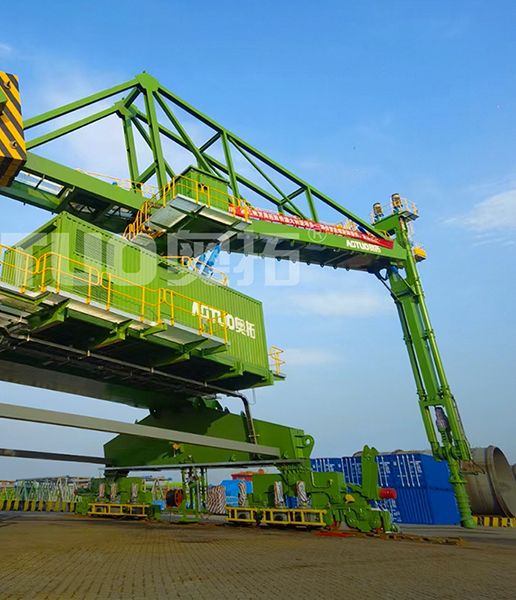
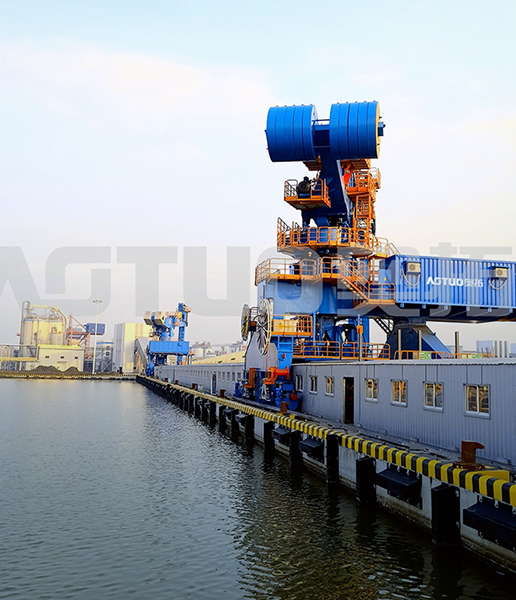
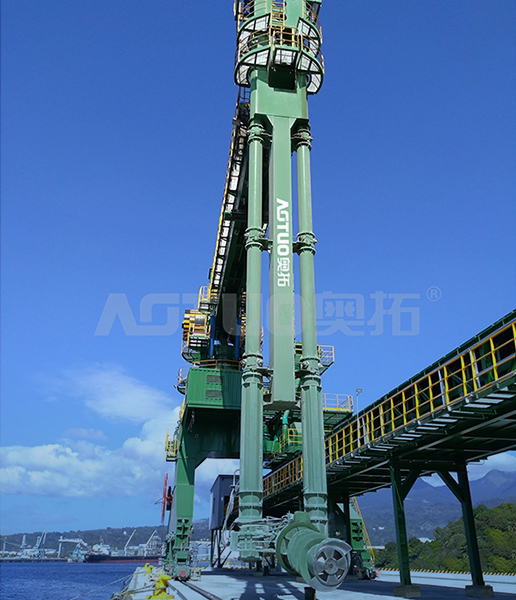
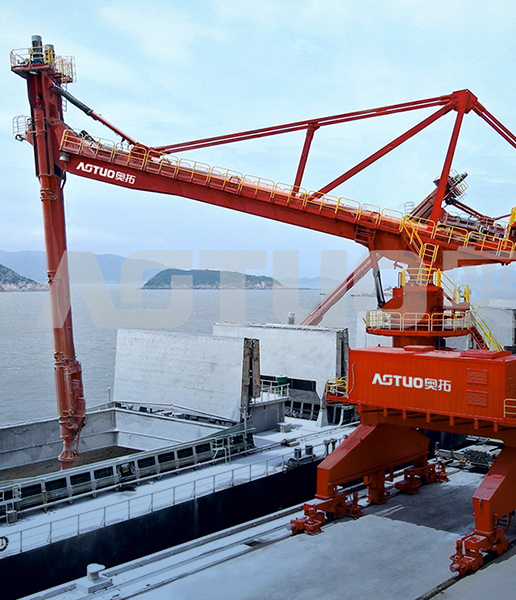
The company's products and services have been deployed across major industrial ports and manufacturing hubs, receiving widespread acclaim for their reliability, eco-friendliness, and high-capacity handling capabilities.
The future of the dust collection industry in Japan is intrinsically linked to the evolution of the Japanese Industrial Standards (JIS). As environmental regulations become increasingly stringent, manufacturers are continuously innovating to exceed the baseline requirements. One of the most significant trends is the shift towards hybrid filtration systems. These units combine the principles of electrostatic precipitation with traditional fabric filtration, resulting in systems that can handle incredibly high dust loadings with minimal pressure drop, drastically reducing the total cost of ownership (TCO) for factory operators.
Furthermore, the concept of a circular economy is gaining massive traction within Japanese manufacturing. Dust collection units are no longer seen merely as pollution control devices; they are increasingly viewed as resource recovery tools. In industries such as pharmaceuticals, precious metal refining, and battery manufacturing, the dust collected is highly valuable. Modern collectors are designed with sanitary discharge valves, continuous liners, and bag-in/bag-out (BIBO) safe change systems that allow operators to recover these valuable particulates without exposing themselves or the environment to contamination.
Over the past two decades, AOTUO has dedicated itself to the research, development, and manufacturing of advanced bulk handling and dust collection equipment, becoming a benchmark for high-quality industrial solutions. Along major industrial riverbanks, as well as in seaports and docks, its unloading and filtration equipment has been deployed extensively. Its comprehensive manufacturing and service system has earned widespread acclaim from customers globally, successfully bridging the gap between rigorous Japanese engineering standards and international industrial demands.
Discover our full range of dust collection units, material transfer systems, and integrated handling machines engineered for peak performance.