- Home
- Company
- Products
- Solution
- Service
- News
- Contact
Leave Your Message
Discover our top-tier automated unloading equipment designed for high-capacity ports and industrial facilities.
As the world's largest archipelagic state, Indonesia relies heavily on a complex maritime and coastal logistics network to distribute essential commodities across its thousands of islands. The nation is a massive consumer and producer of agricultural products, including rice, corn, palm kernel, wheat, and soybeans. Historically, the unloading of these bulk materials—particularly those transported in bags or requiring bagging at the port—has been a highly labor-intensive process. However, the rapidly growing domestic demand and the government's push for industrial modernization have necessitated a critical shift. Today, the demand for advanced Grain Bag Unloaders and automated ship unloading systems is surging across major Indonesian ports.
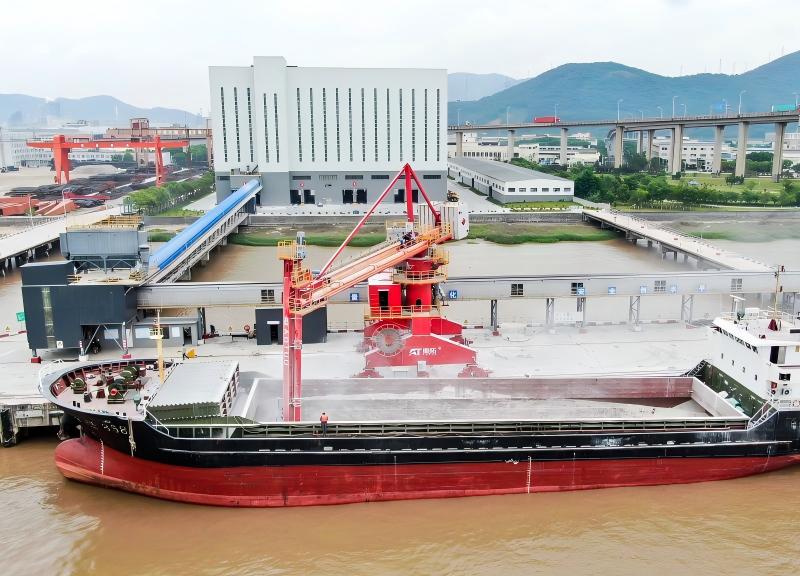
In major economic hubs such as the Port of Tanjung Priok in Jakarta and the Port of Tanjung Perak in Surabaya, the volume of imported wheat and soybeans requires high-throughput, continuous unloading solutions. Local factories and processing plants can no longer afford the demurrage costs associated with slow manual stevedoring. By integrating state-of-the-art grain bag unloaders, Indonesian facilities are drastically reducing vessel turnaround times, minimizing material spillage, and optimizing their entire supply chain infrastructure.
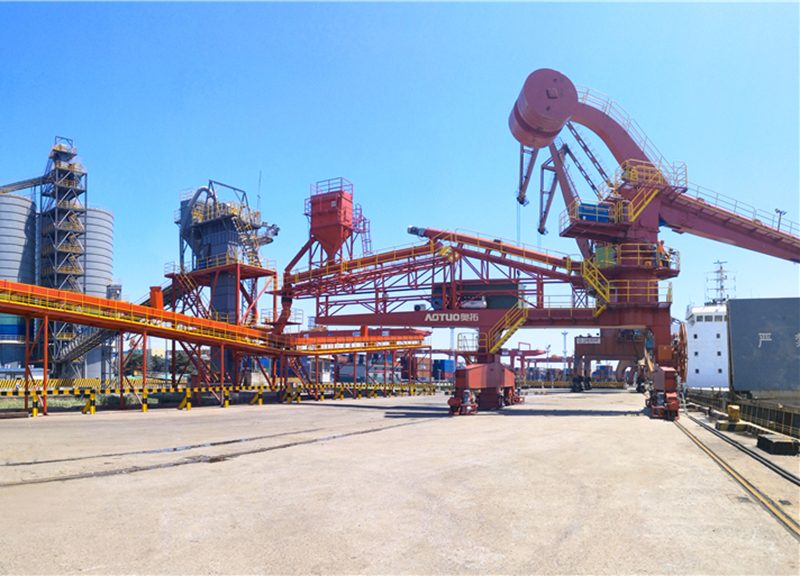
The Indonesian government's "Global Maritime Fulcrum" vision has accelerated investments in port infrastructure. Medium-sized ports in Sumatra (like Belawan) and Sulawesi (like Makassar) are upgrading their bulk material handling capabilities. The transition from traditional grab cranes to enclosed, continuous screw ship unloaders and automated bag handlers is transforming these ports. This modernization not only boosts tons-per-hour (TPH) capacity but also addresses severe weather challenges, as enclosed unloaders can operate during Indonesia's frequent tropical downpours without damaging moisture-sensitive grains.
The downstream impact of efficient unloading is immense. Indonesia's booming poultry and aquaculture sectors drive a massive demand for animal feed. Mega feed mills operated by industry giants require a continuous, reliable influx of corn, soybean meal, and other raw materials. Grain bag unloaders installed directly at private factory jetties or nearby coastal terminals ensure that these raw materials are transferred swiftly and cleanly into storage silos. This direct-to-factory unloading model minimizes secondary transport costs and reduces the risk of contamination, which is vital for maintaining food and feed safety standards in the tropical climate.
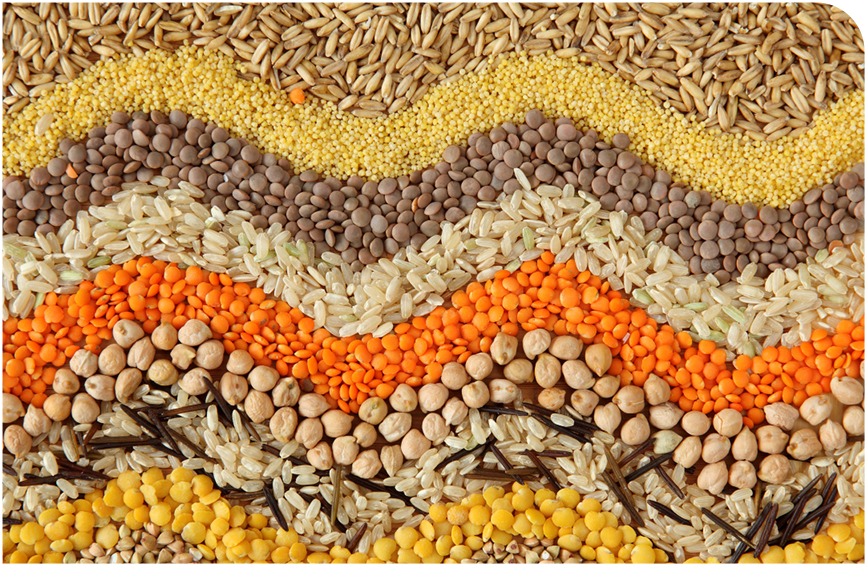
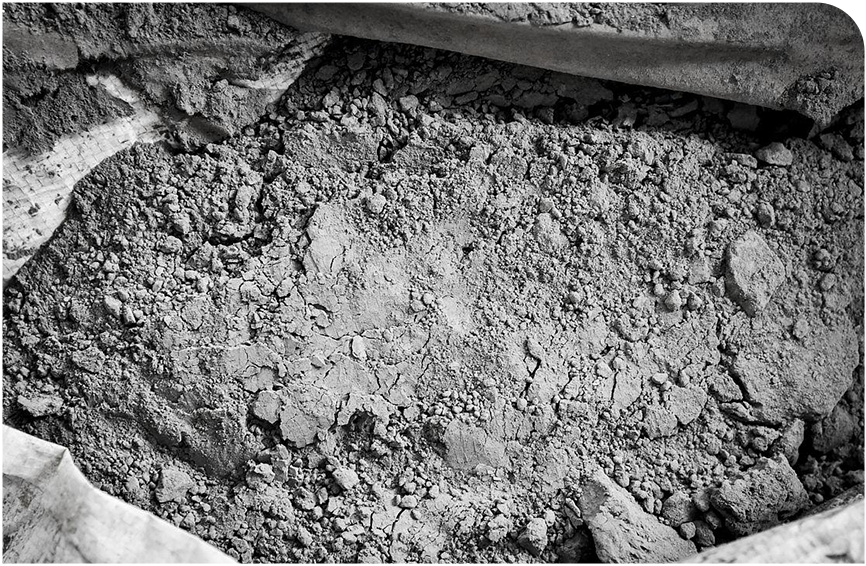

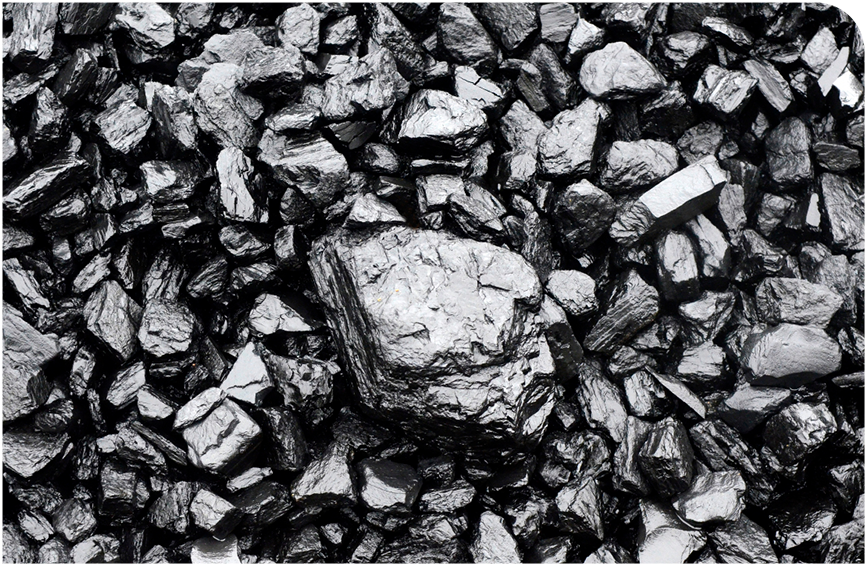
Aligning with the "Making Indonesia 4.0" initiative, the material handling sector is experiencing a technological revolution. The latest generation of Grain Bag Unloaders and screw ship unloaders are no longer just mechanical giants; they are intelligent systems. Integrated with Artificial Intelligence (AI) and advanced IoT sensors, these machines can automatically detect material flow rates, adjust screw speeds to prevent blockages, and optimize energy consumption. Smart positioning systems allow the unloader head to navigate the ship's hold autonomously, significantly reducing the physical strain on operators and minimizing the risk of accidents in busy Indonesian ports.
Furthermore, predictive maintenance powered by AI is becoming a standard requirement for Indonesian factories. By analyzing vibration and temperature data in real-time, plant managers in remote areas like Kalimantan or Papua can anticipate component wear and schedule maintenance before a catastrophic breakdown occurs, ensuring uninterrupted supply chains for critical food and energy resources.
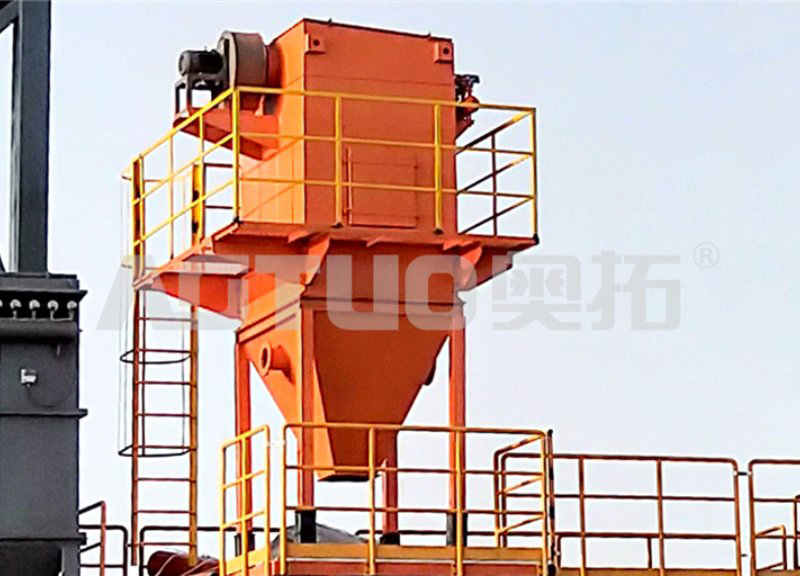
Environmental regulations in Indonesia are becoming increasingly stringent, particularly concerning air quality around urban port cities. Traditional grab unloading generates massive dust clouds, leading to product loss and severe health hazards for port workers and nearby communities. Modern Grain Bag Unloaders and enclosed screw systems feature state-of-the-art pulse single-machine and air box bag-type dust collectors. These systems ensure a negative pressure environment during the unloading process, capturing up to 99.9% of airborne particulates. This dust-free operation is not just an environmental compliance measure; it is a critical factor in preserving the quality and volume of high-value grains.
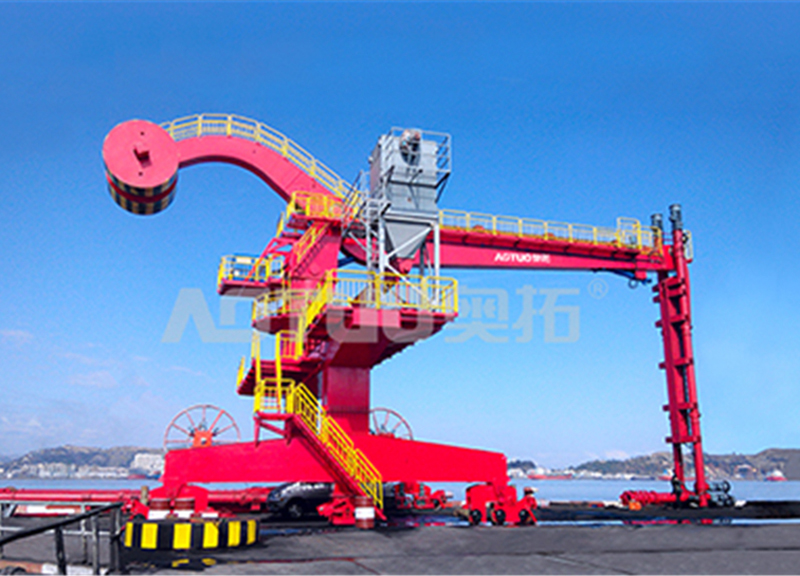
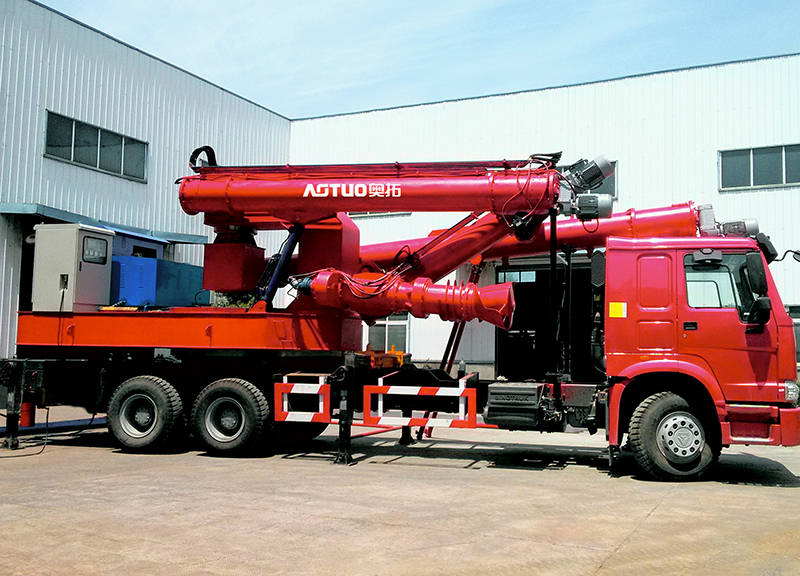
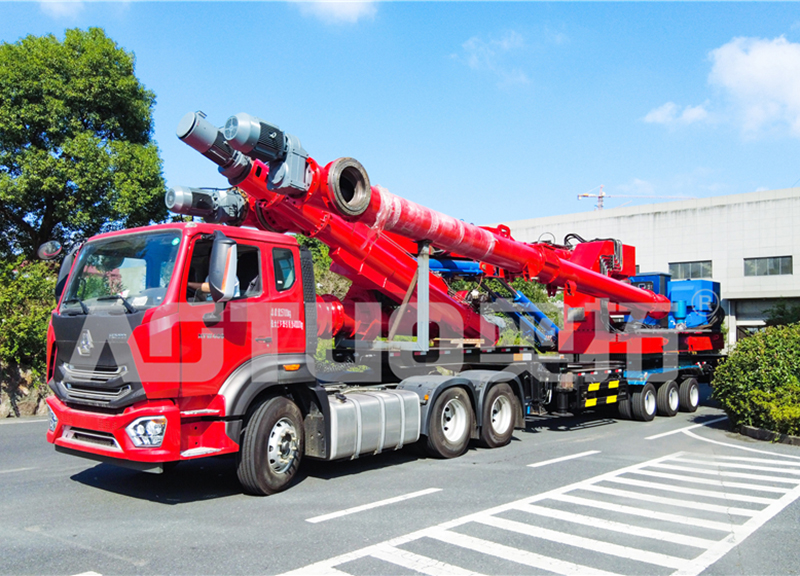
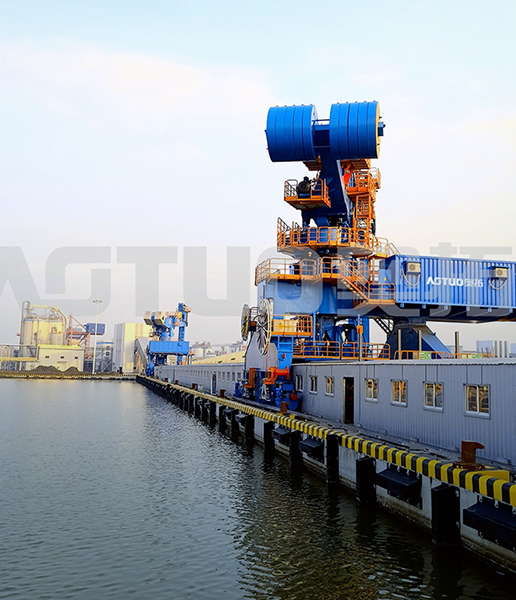
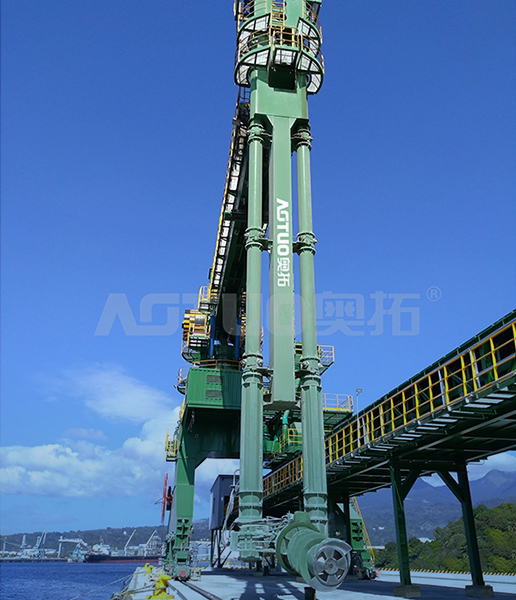
Given Indonesia's diverse port infrastructure—ranging from massive international deep-water ports to small, shallow-draft inter-island jetties—equipment flexibility is paramount. Vehicle-mounted screw ship unloaders offer unparalleled mobility. They can be driven directly onto barges or small docks, perform the unloading task, and move to another location, making them ideal for the fragmented geography of the archipelago. Conversely, for large-scale operations like the massive power plants and flour mills in Java, heavy-duty rail-mounted unloaders provide the stability and high capacity needed to clear large bulk carrier vessels rapidly.
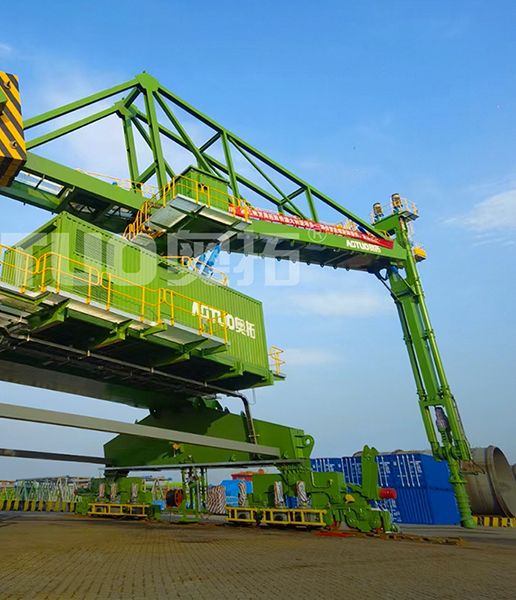
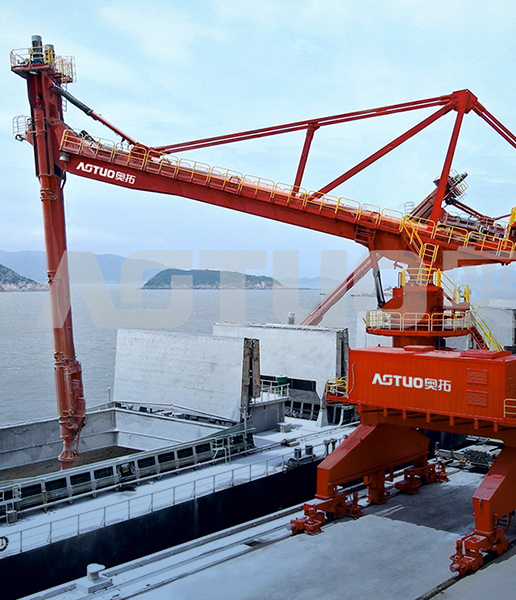
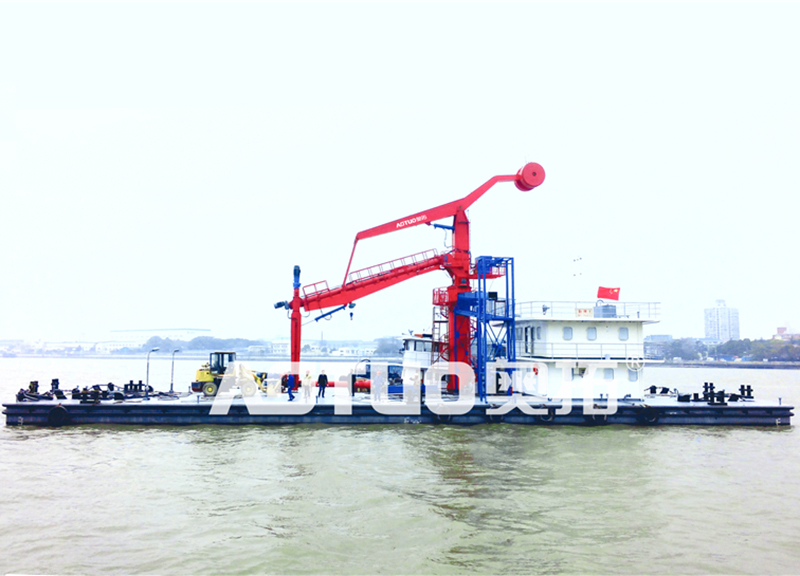
Indonesia's domestic shipping relies heavily on Ro-Ro (Roll-on/Roll-off) vessels and flat-top barges to transport agricultural goods between islands like Java, Sumatra, and the Nusa Tenggara archipelago. In these scenarios, ports often lack deep-water berths and heavy gantry cranes. Here, compact and mobile Grain Bag Unloaders shine. Arriving on a truck chassis, these units can quickly deploy their conveying arms into the barge holds, extract bagged or bulk grain, and transfer it directly into waiting trucks or portable silos. This agile setup eliminates the need for expensive permanent port infrastructure, democratizing efficient logistics for smaller island communities.
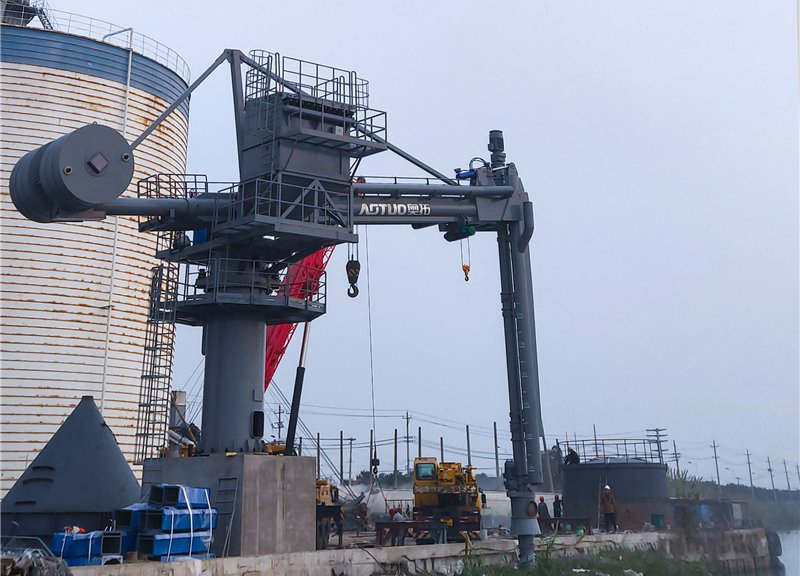
The island of Java is the industrial heartland of Indonesia, home to massive food processing conglomerates producing noodles, flour, and cooking oil. These facilities demand a relentless supply of raw materials. Fixed and rail-mounted screw ship unloaders are strategically installed at the private terminals of these factories. By seamlessly integrating with intelligent powder transfer projects and automated bagging lines, the unloaders ensure that raw wheat or soybeans are moved from the ship's hold to the processing plant in a completely enclosed, sanitary, and continuous flow, safeguarding food security and operational efficiency.
Beyond food grains, Indonesia's vast palm oil plantations in Sumatra and Kalimantan require millions of tons of fertilizer annually, while simultaneously producing massive amounts of palm kernel shells (PKS) as biomass fuel. The versatility of our unloading equipment allows it to handle these diverse materials. Utilizing robust, wear-resistant screw flights and advanced dust collection systems, the unloaders can efficiently manage the corrosive nature of fertilizers and the varying densities of biomass, proving to be an indispensable asset across multiple sectors of the Indonesian economy.
Explore our full range of solutions tailored for Indonesian ports, factories, and material transfer projects.