- Home
- Company
- Products
- Solution
- Service
- News
- Contact
Leave Your Message
Brazil stands as a global titan in agribusiness, consistently ranking as the world's leading exporter of soybeans, sugar, coffee, and a top contender in corn and ethanol. The states of Mato Grosso, Paraná, and Rio Grande do Sul are the engines of this immense agricultural output. However, the sheer volume of production frequently outpaces the static storage capacity of traditional silos. In recent years, the Brazilian market has witnessed an explosive adoption of "silo bags" (bolsa silo)—massive, flexible polyethylene tubes that provide temporary, on-farm storage for millions of tons of grain.
While silo bags solve the immediate storage crisis during peak harvest seasons, they introduce a significant logistical bottleneck: the efficient, rapid, and lossless extraction of grain for transport to export terminals. This is where advanced Grain Bag Unloader Factories step in, providing crucial technological interventions. The journey from the deep inland farms of the Center-West region to the bustling ports of the Arco Norte (Northern Arc) or the traditional southern ports like Santos and Paranaguá demands high-capacity, reliable transfer equipment. Traditional unloading methods are labor-intensive, prone to grain damage, and highly susceptible to the unpredictable tropical weather of Brazil, leading to critical delays in the supply chain.
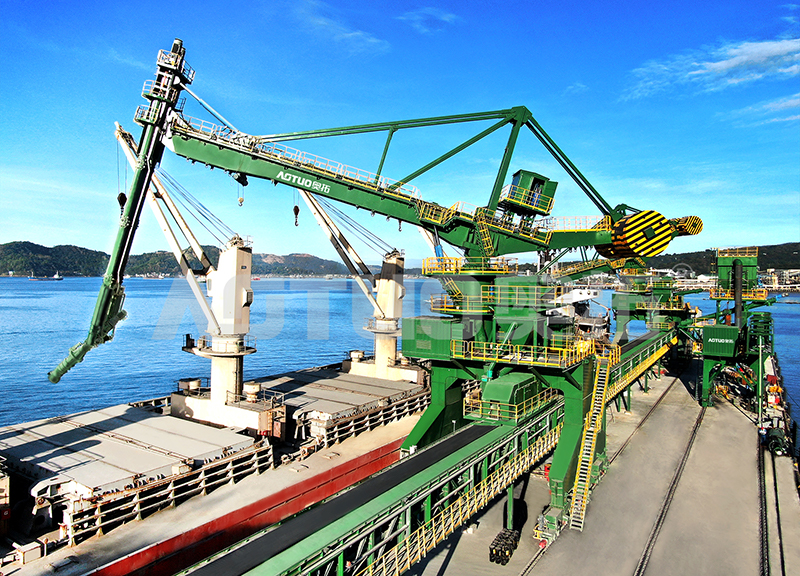
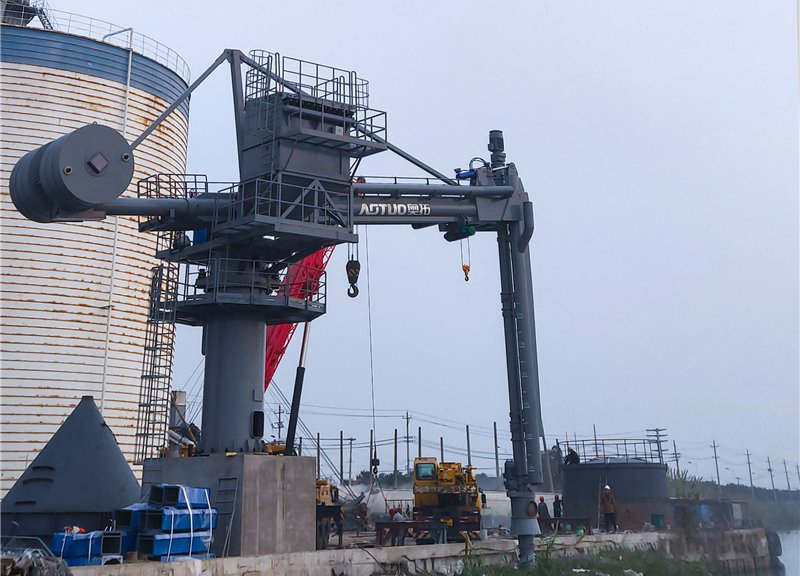
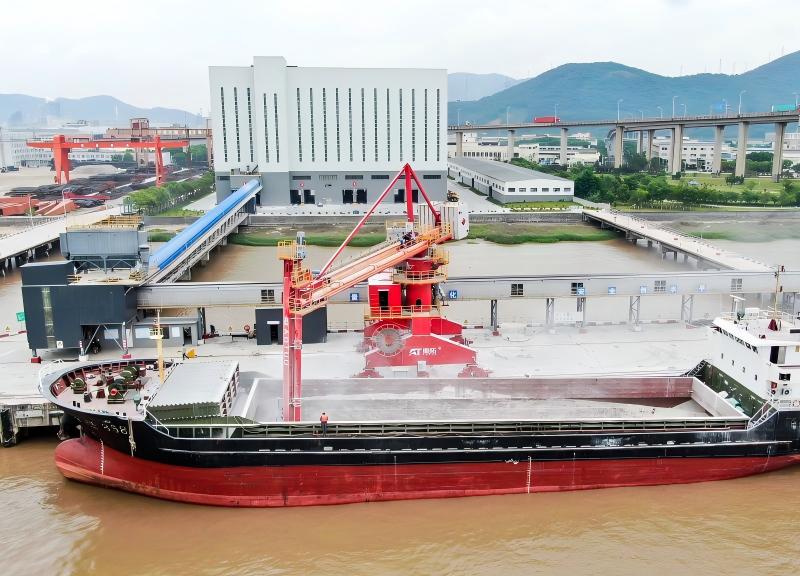
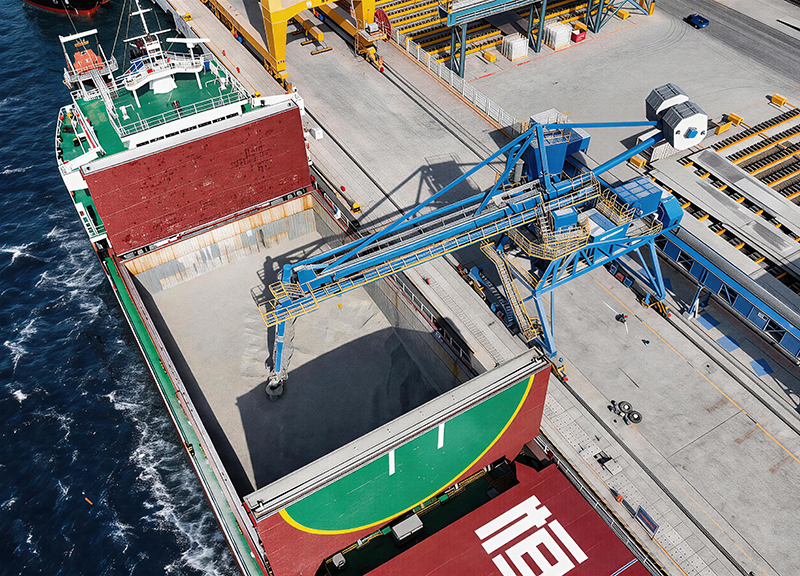
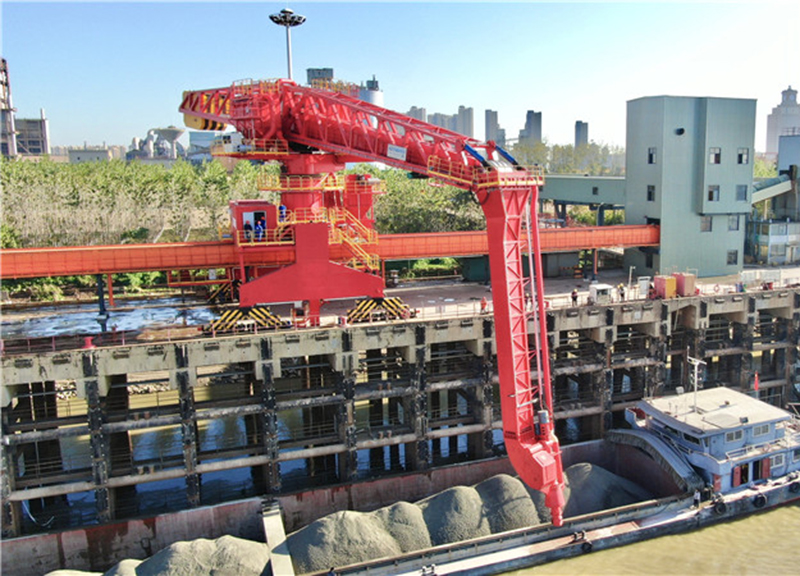
The bulk material handling industry in Brazil is undergoing a radical transformation. Driven by stringent environmental regulations enforced by agencies like IBAMA, port operators are rapidly shifting away from traditional grab unloaders to enclosed, continuous unloading systems. The demand for environmentally friendly spiral ship unloaders and grain bag unloaders has surged. These modern systems ensure zero dust emission, a critical requirement for ports located near urban centers like Santos and Vitória.
Furthermore, the integration of Artificial Intelligence and IoT (Internet of Things) is no longer a futuristic concept but a present reality. Modern unloader factories are embedding smart sensors into their equipment to monitor material flow rates, motor temperatures, and structural stress in real-time. This AI-driven predictive maintenance is vital for Brazilian operations, where equipment must run continuously during the intense soybean export window (February to June). Automated control systems now allow operators to manage complex unloading sequences from remote, air-conditioned cabins, significantly improving safety and operational efficiency.
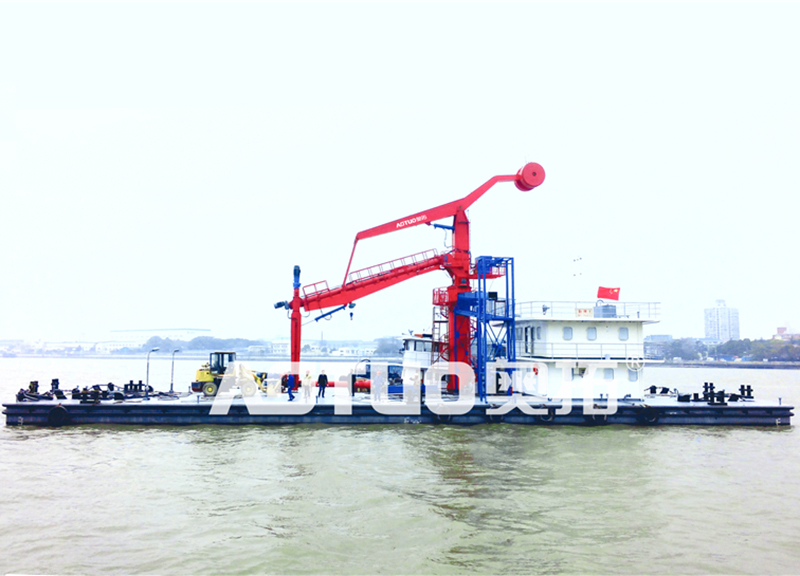
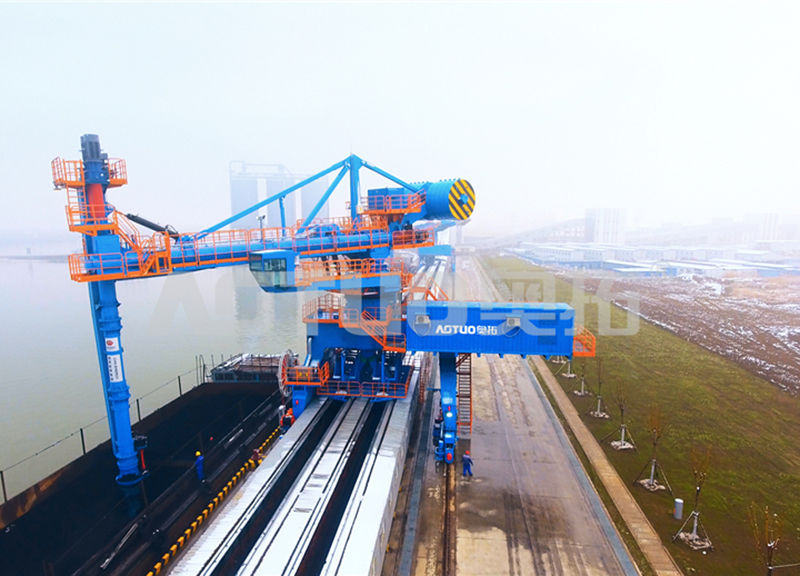
Engineered to handle various dry bulk materials like soybeans, corn, and cement clinker with continuous, uninterrupted flow, crucial for Brazil's massive export volumes.
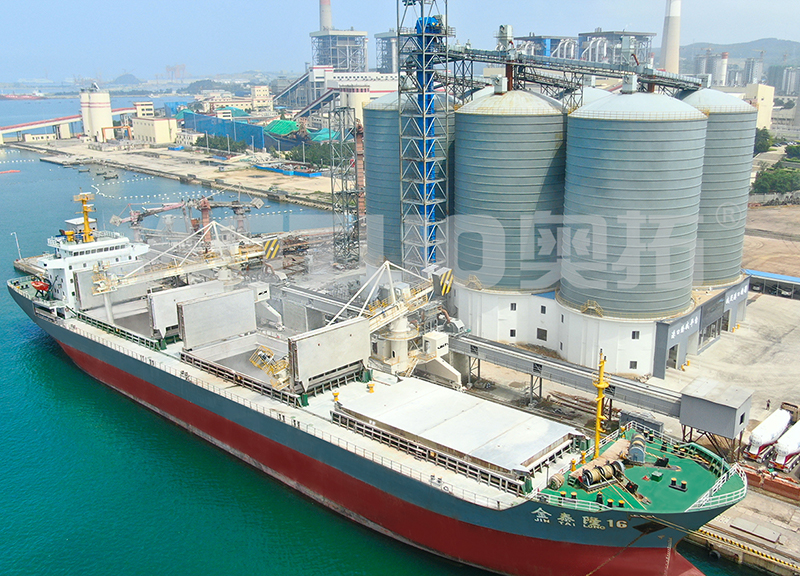
Fully enclosed conveying systems prevent dust pollution and material spillage, meeting Brazil's strict environmental protection standards at major port facilities.
Incorporating measurement control systems and industrial automation for precise unloading, minimizing grain damage and optimizing power consumption.
The versatility of modern Grain Bag Unloaders and Screw Ship Unloaders allows them to be deployed across various critical nodes in Brazil's logistics matrix. 1. Inland Railway Transfer Stations (Rondonópolis, Mato Grosso): As the largest railway terminal in Latin America, Rondonópolis requires rapid transfer of grain from trucks and silo bags into railcars. Automated unloaders ensure that the Ferronorte railway operates at maximum capacity, bridging the gap between the Cerrado farms and the coast.
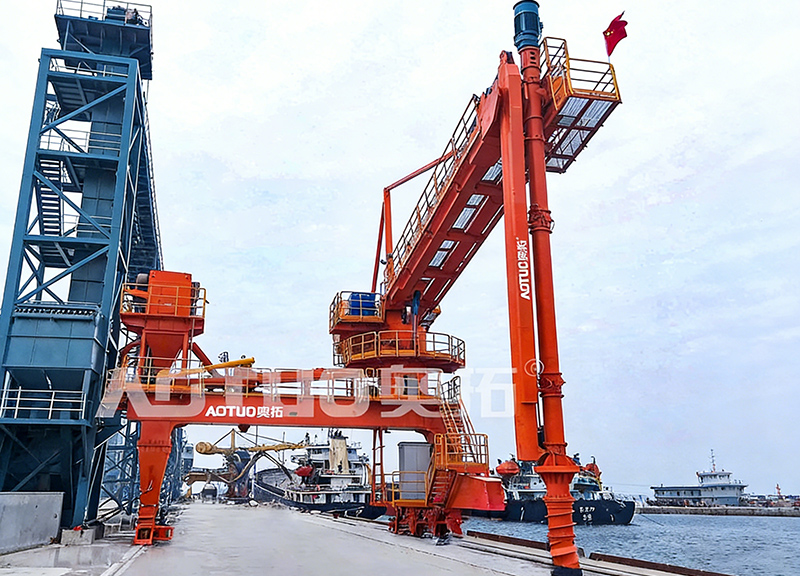
2. Northern Arc Ports (Itaqui, Barcarena, Santarém): These ports are rapidly gaining market share due to their proximity to the Panama Canal and Europe. However, the high humidity and heavy rainfall in the Amazon region pose severe challenges. The fully enclosed design of continuous screw ship unloaders protects the grain from moisture, ensuring that the quality of Brazilian soybeans remains pristine upon arrival at international destinations.
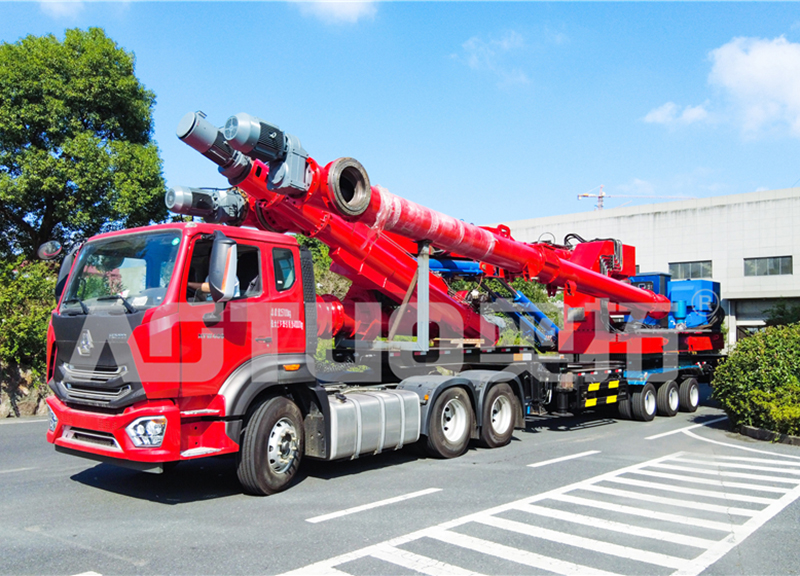
3. Sugar and Ethanol Plants (São Paulo State): Beyond grains, the technology is highly adaptable for handling biomass, fertilizer raw materials, and sugar. With Brazil being the top sugar exporter, vehicle-mounted and rail-mounted unloaders provide the flexibility needed to handle seasonal surges in production, moving bulk sugar efficiently from storage facilities to export vessels.
Comprehensive solutions for dry bulk cargo terminal loading and unloading systems
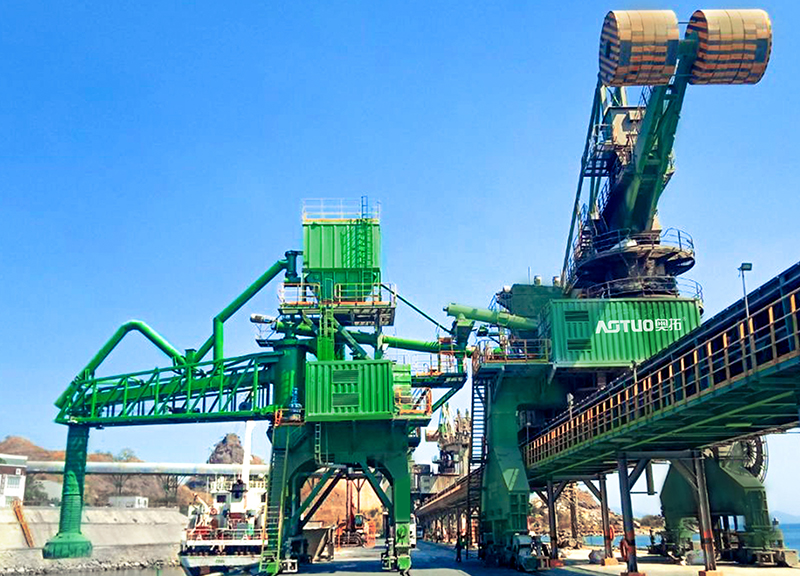
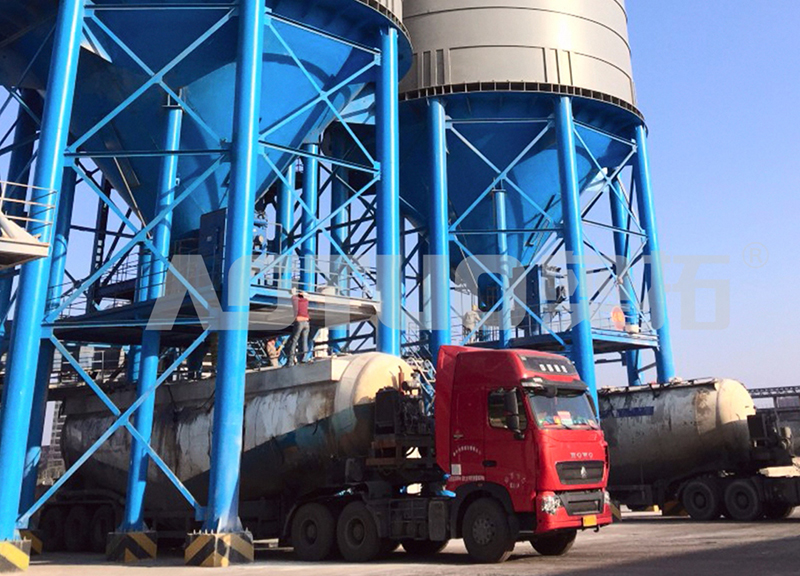
Aotuo has over 23 years of experience in research and manufacturing. Its flagship products include environmentally friendly and highly efficient spiral ship unloaders, various loading machines and transfer station equipment. Specifically, these include: Continuous environmental protection spiral powder discharge ship loader, continuous environmentally friendly spiral coal ship unloaders, continuous environmentally friendly clinker ship unloaders, grain ship unloaders, efficient and environmentally friendly loading machines, dust collectors, conveying equipment, measurement control systems, industrial automation systems, and intelligent control systems. They are suitable for the loading/unloading and transfer operations of various dry bulk materials (such as grains, coal, cement clinker, mineral materials, cement, mineral powder, fly ash, etc.) at port terminals.
Under the guidance of the Belt and Road Initiative, AOTUO has implemented a global strategy and is actively expanding into international markets, bringing world-class bulk handling solutions to emerging markets like Brazil.
State-of-the-art facilities producing the next generation of bulk material handling equipment.
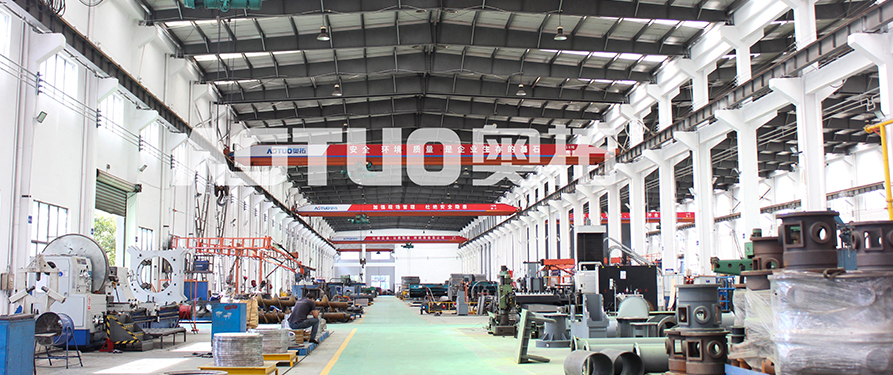

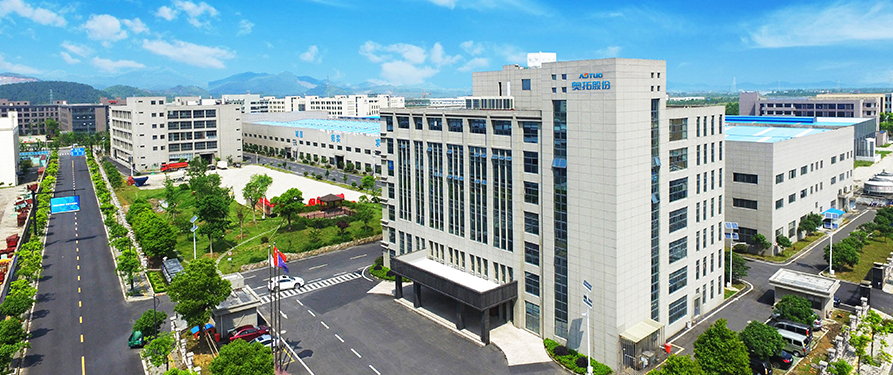
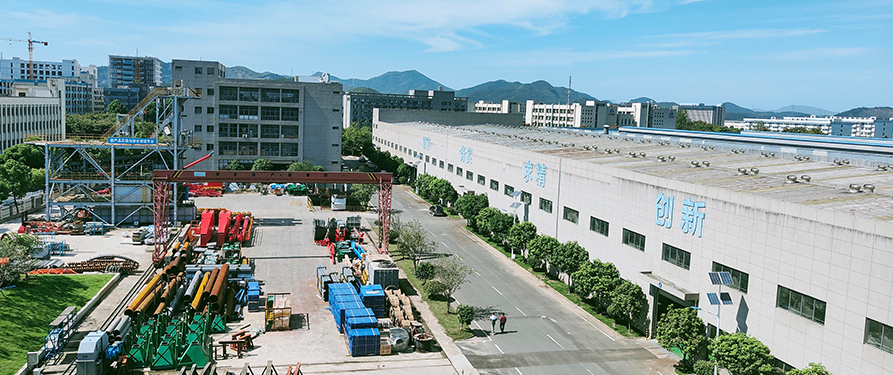
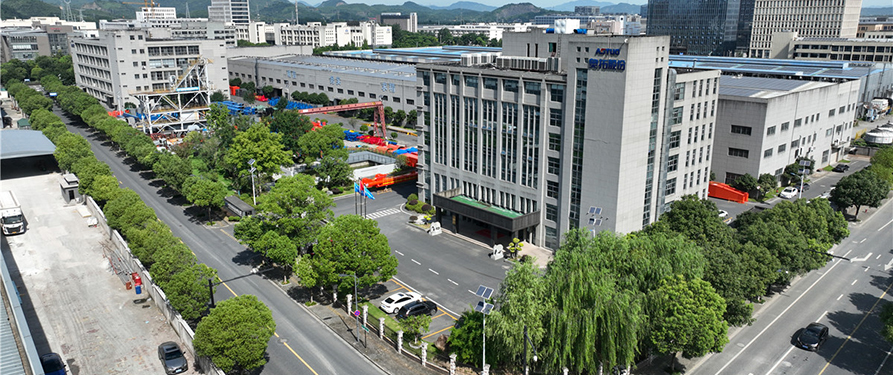
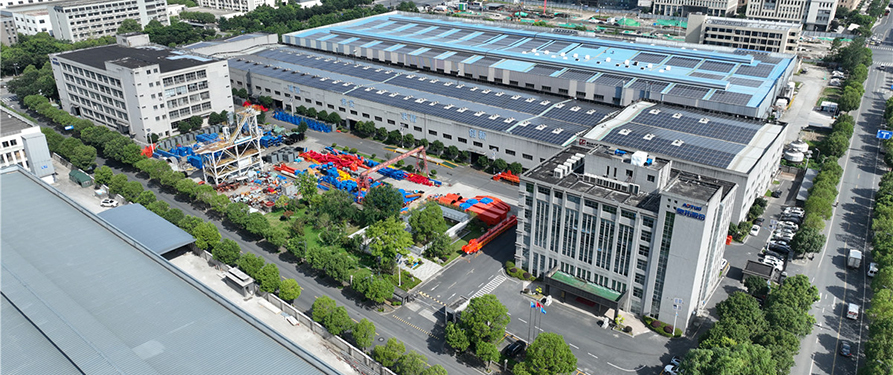
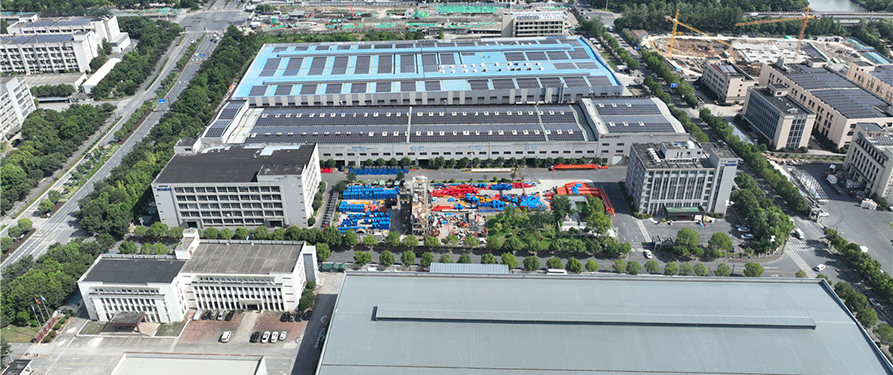
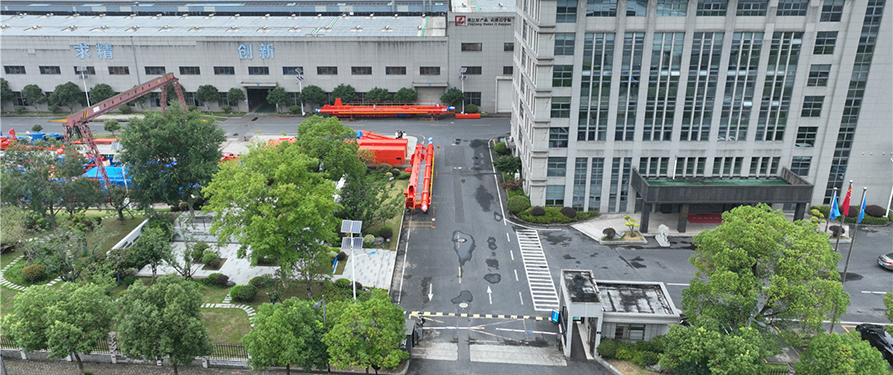
Discover our range of advanced unloading solutions tailored for modern port infrastructure.