- Home
- Company
- Products
- Solution
- Service
- News
- Contact
Leave Your Message
High-efficiency, AI-integrated bulk material handling solutions tailored for Indonesian ports and industrial facilities.
Indonesia, the largest archipelagic state in the world, relies heavily on its maritime infrastructure to sustain its rapidly growing economy and ensure food security for over 270 million people. As a major importer of wheat, soybeans, corn, and other essential agricultural commodities, the efficiency of port operations directly impacts the national supply chain. Grain unloaders have emerged as a critical technological requirement in this landscape. Traditional manual or semi-mechanized unloading methods are no longer sufficient to handle the millions of tons of bulk grain entering ports like Tanjung Priok in Jakarta, Tanjung Perak in Surabaya, and Belawan in Sumatra. The transition towards advanced, automated continuous ship unloaders (CSUs), such as screw ship unloaders and pneumatic systems, is revolutionizing how Indonesia manages its bulk agricultural imports.
The commercial status of the grain unloader industry in Indonesia is currently experiencing a massive upward trajectory. Driven by the government's initiatives to modernize port infrastructure and reduce logistics costs (which historically accounted for a significant percentage of Indonesia's GDP), terminal operators are heavily investing in high-capacity, eco-friendly unloading equipment. Manufacturers providing these solutions to the Indonesian market must navigate unique local requirements, including the need for equipment that can withstand highly corrosive marine environments, intense tropical heat, and torrential monsoon rains, all while ensuring zero moisture contamination to the sensitive grain cargo.
Furthermore, the Indonesian market demands versatility. A single port facility might need to handle wheat for flour mills one day and soybean meal for animal feed the next. Therefore, modern grain unloaders deployed in Indonesia are engineered with multi-material capabilities, featuring enclosed conveying systems that prevent spillage, reduce dust emissions to comply with strict environmental regulations, and maintain the structural integrity of the grain to prevent degradation and financial loss.
Adapting advanced unloading technology to the unique geographical and climatic conditions of the Indonesian archipelago.
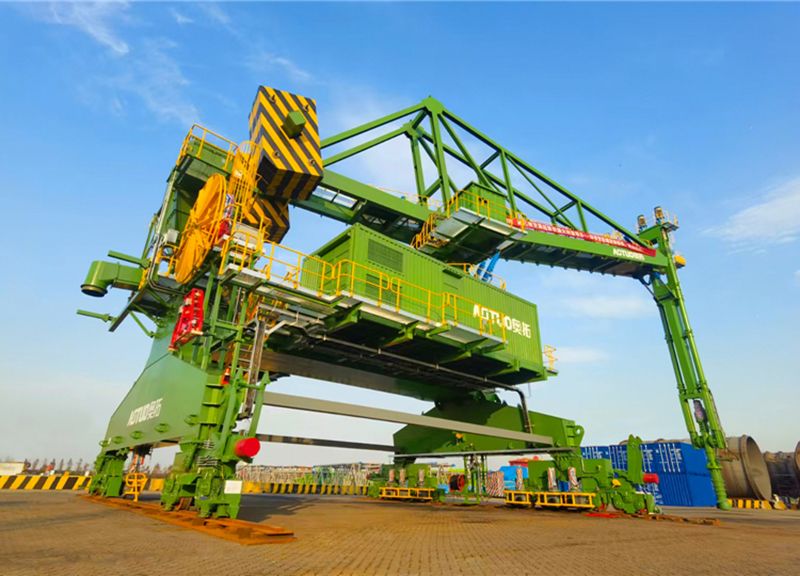
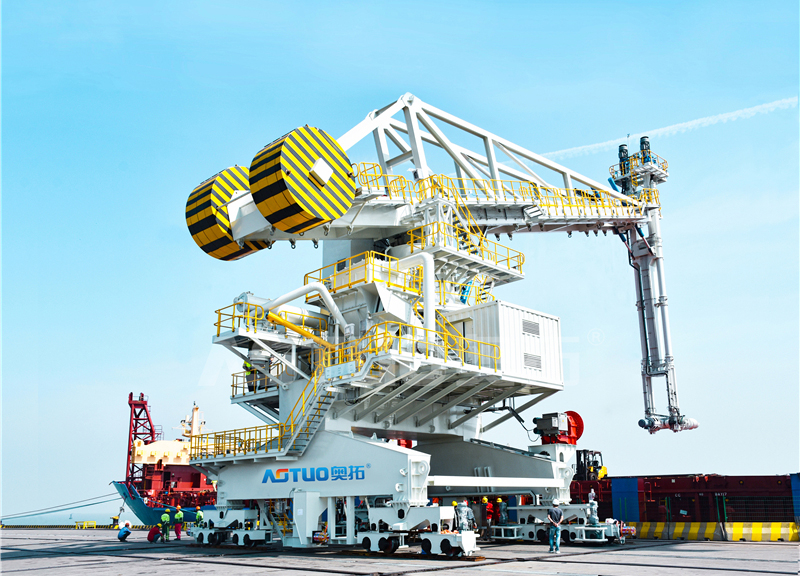
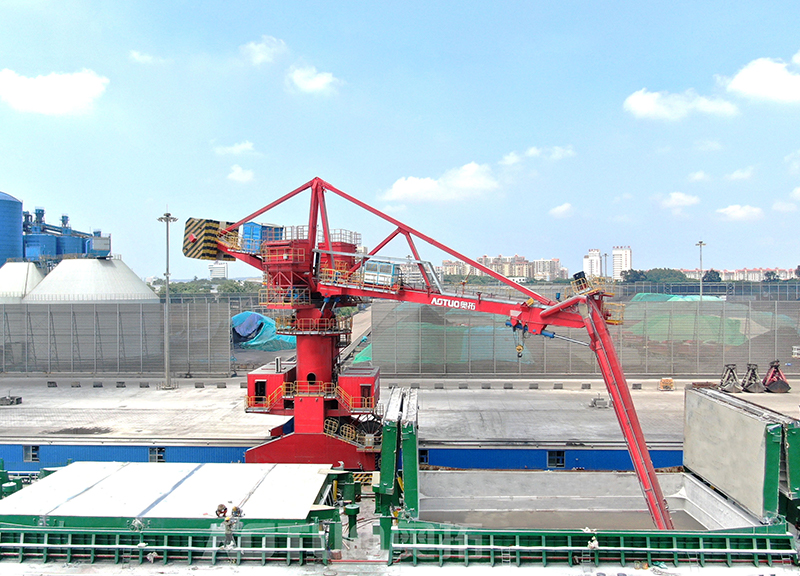
In massive hubs like Jakarta's Tanjung Priok, high-capacity rail-mounted screw unloaders are deployed to service Panamax and Post-Panamax vessels, ensuring rapid turnaround times and alleviating port congestion.
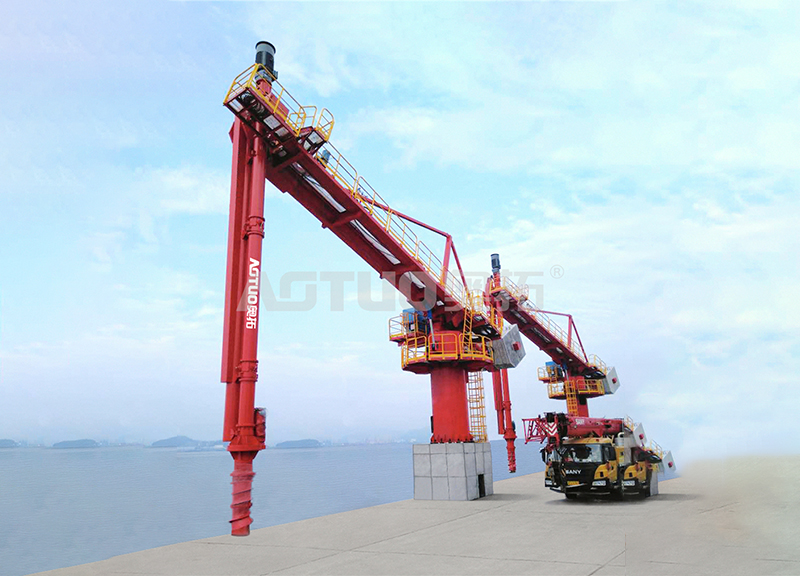
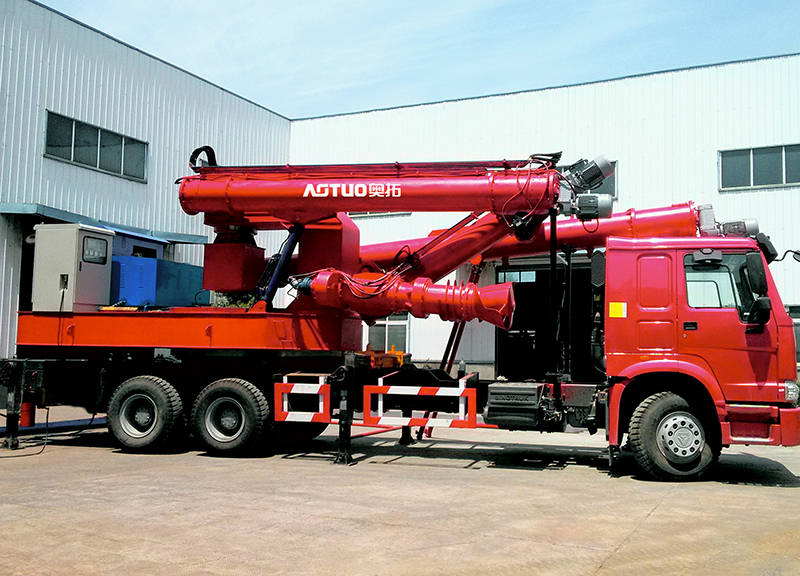
For smaller, shallow-draft ports across the archipelago (e.g., in Kalimantan or Sulawesi), mobile and tire-mounted grain unloaders offer the flexibility needed to navigate restricted dock spaces efficiently.
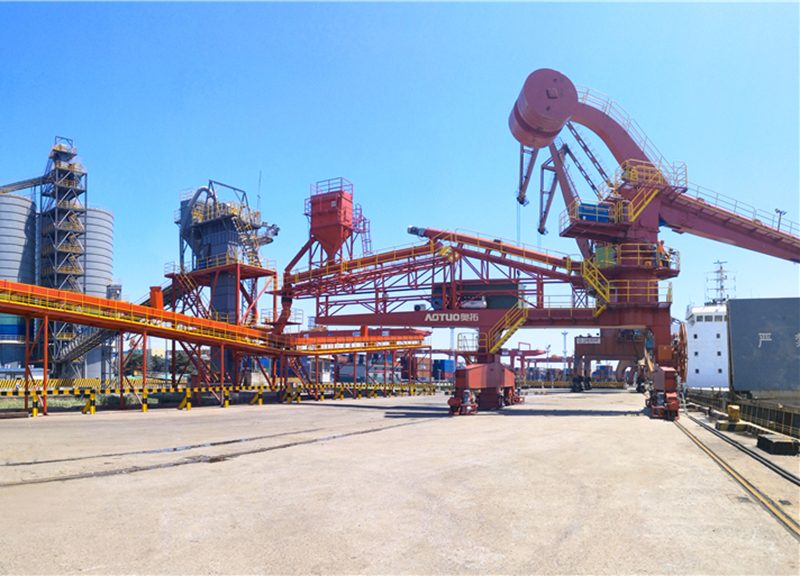
Unloaders are directly integrated with silo storage systems and processing plants (like flour mills and feed factories) situated right at the port edge, creating a seamless, enclosed transfer system.
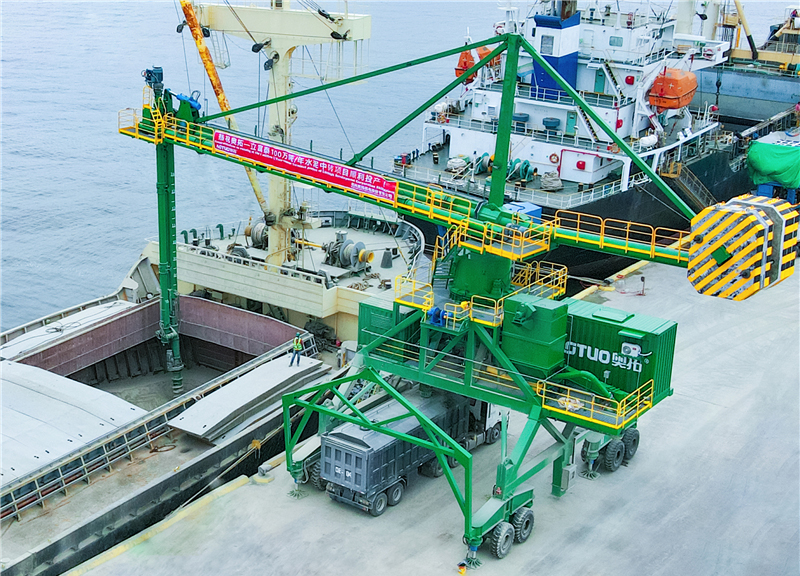
The application of grain unloaders in Indonesia goes beyond simple material transfer; it is a complex logistical dance tailored to local realities. In the bustling port of Surabaya, for instance, industrial rail-mounted screw ship unloaders are synchronized with vast conveyor networks that feed directly into inland storage silos. This continuous, enclosed system is vital in Indonesia because the tropical climate poses a severe threat to grain. High humidity and sudden, heavy downpours can instantly spoil exposed cargo. The fully enclosed design of our modern screw and pneumatic unloaders guarantees that the grain remains completely shielded from the elements from the moment it leaves the ship's hold until it reaches the storage facility.
Another specific localized scenario involves the handling of specialized feeds and fertilizers alongside food-grade grains. Indonesian agricultural sectors require massive amounts of fertilizers for palm oil and rice plantations. Equipment manufacturers have responded by designing easily cleanable, cross-contamination-proof unloaders. Through intelligent AI-driven control systems, operators can adjust the torque, speed, and intake parameters of the unloader based on the specific density and flowability of the material, whether it is lightweight fly ash, dense fertilizer, or fragile grain kernels. This multi-purpose functionality significantly boosts the Return on Investment (ROI) for Indonesian terminal operators.
We specialize in providing overall solutions for bulk material transfer, storage, and transportation systems, as well as the R&D, design, manufacturing, and sales of high-end loading and unloading equipment for powdery and granular bulk materials.
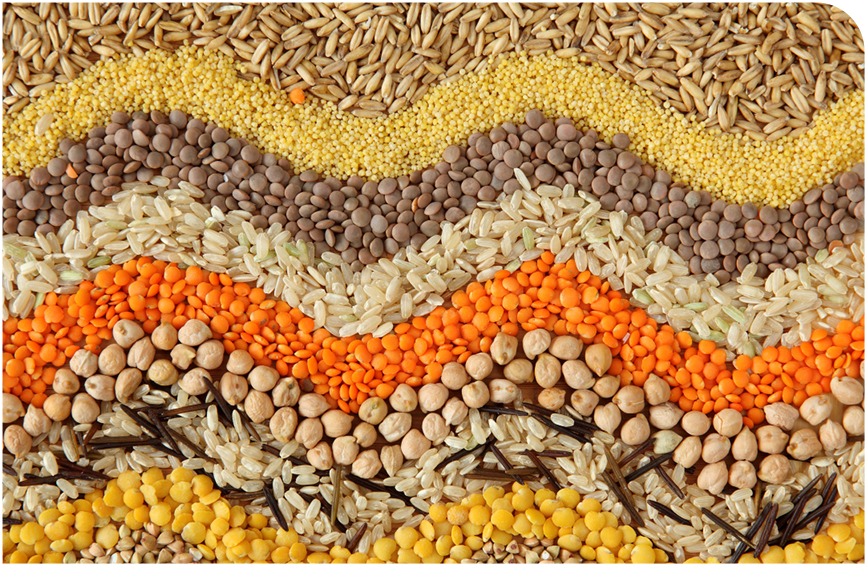

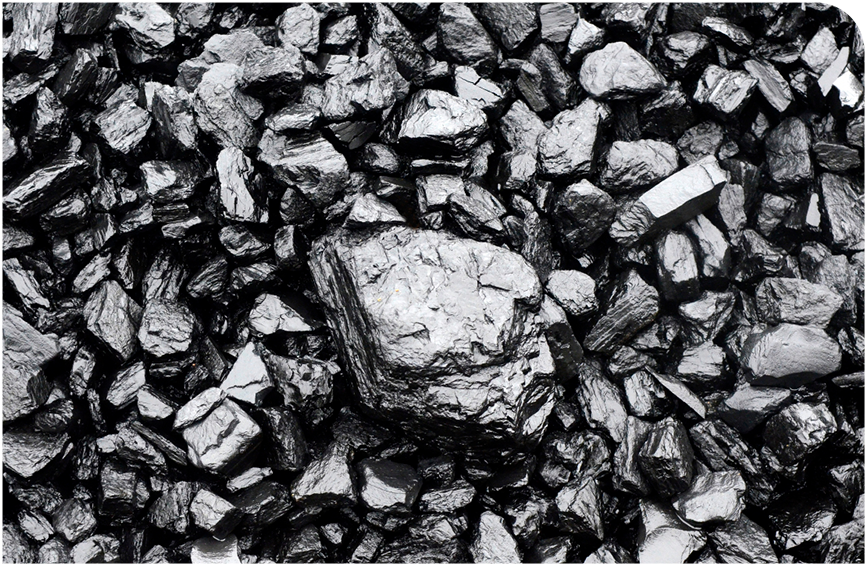
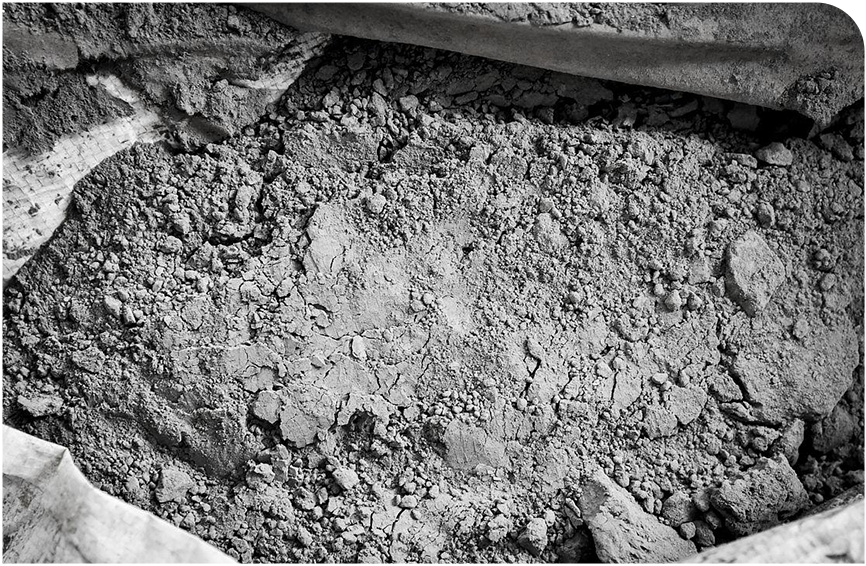
The future of bulk material handling in Indonesia is inextricably linked to digital transformation and environmental sustainability. One of the most prominent trends is the integration of Artificial Intelligence (AI) and IoT (Internet of Things) into grain unloader systems. Modern unloaders are no longer just mechanical beasts; they are smart machines equipped with arrays of sensors that monitor vibration, temperature, motor load, and material flow in real-time. In Indonesia, where remote ports may lack immediate access to highly specialized technicians, predictive maintenance powered by AI is a game-changer. These smart systems can predict component wear and alert operators before a breakdown occurs, drastically reducing unplanned downtime and maintenance costs.
Automation is another driving force. Remote-controlled unloading operations allow operators to manage the machinery from safe, air-conditioned control rooms, utilizing high-definition cameras and 3D laser scanning of the ship's hold. This not only improves operational safety by removing workers from hazardous, dusty environments but also optimizes the unloading path, ensuring maximum efficiency and minimal grain damage.
Furthermore, the Indonesian government's push towards "Green Ports" is shaping equipment procurement. Environmental regulations regarding dust emissions and noise pollution are becoming stricter. Consequently, the demand for eco-friendly screw ship unloaders is surging. These machines operate with negative pressure systems at transfer points, capturing dust before it escapes into the atmosphere. This commitment to sustainability protects the local marine ecosystem and improves the quality of life for communities surrounding the ports.
The company's products and services have been exported to countries such as Australia, Korea, Singapore, the Philippines, Vietnam, Malaysia, Indonesia, Sri Lanka, and Russia, and are well-received by customers.
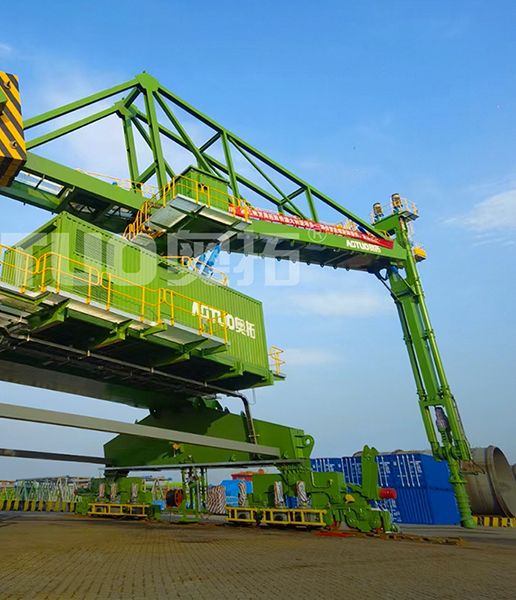
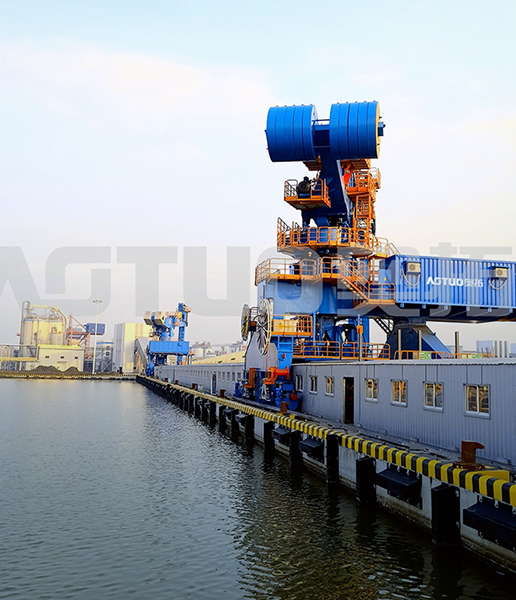
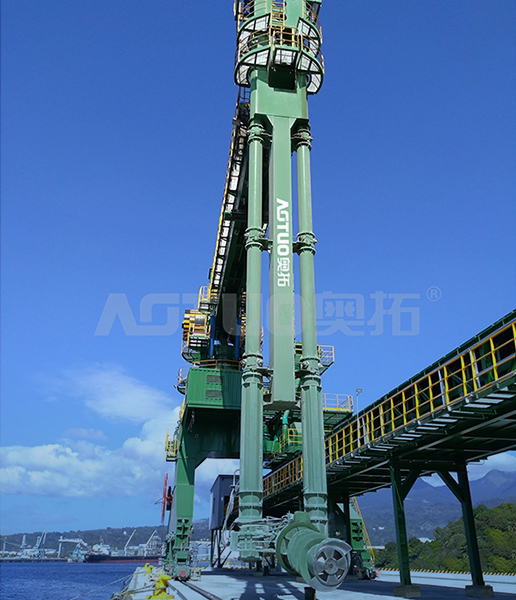
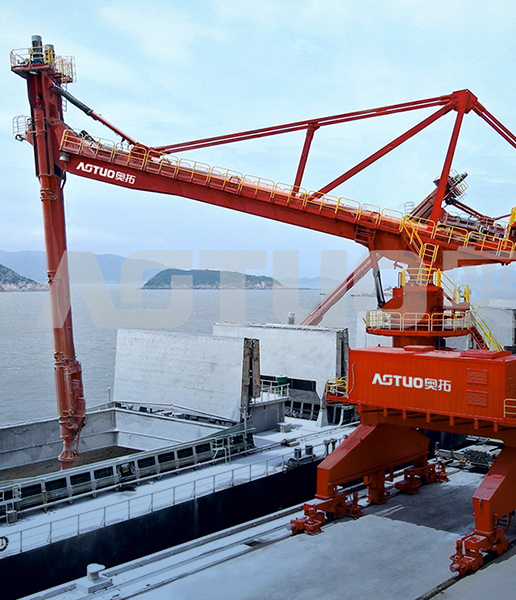
Choosing the right manufacturer for grain unloading equipment in Indonesia requires looking beyond the initial purchase price. It involves evaluating the total cost of ownership, reliability in harsh climates, and the availability of responsive after-sales support. As a leading manufacturer, we have engineered our products specifically to overcome the challenges presented by the Southeast Asian logistical landscape. Our equipment features specialized anti-corrosion coatings, heavy-duty marine-grade electrical components, and advanced sealing technologies that guarantee flawless performance even in the highly saline and humid environments of the Indonesian archipelago.
Furthermore, our commitment to the Indonesian market is reflected in our localized service strategy. We understand that in the fast-paced world of grain logistics, every hour of downtime translates to massive financial losses and potential food supply chain disruptions. Therefore, we provide comprehensive training programs for local operators, ensuring they are fully equipped to manage and maintain the AI-driven systems. By combining cutting-edge Chinese manufacturing prowess with a deep understanding of Indonesian industrial needs, we deliver material transfer solutions that not only replace older, inefficient imports but set a completely new benchmark for performance, safety, and profitability in the region.
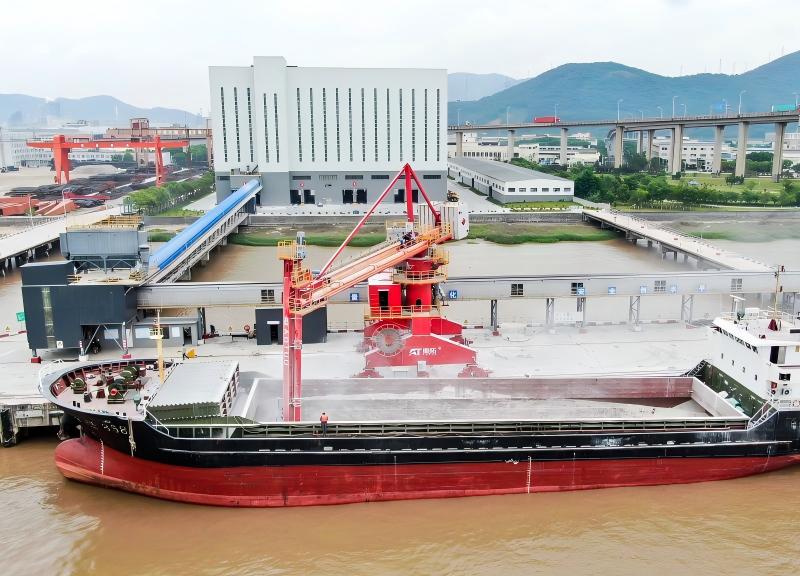
Over the past two decades, AOTUO has dedicated itself to the research, development, and manufacturing of screw ship unloaders, becoming a benchmark for "Chinese products replace imports." Along the Yangtze River and other inland riverbanks, as well as in seaports and docks, its unloading equipment has been deployed across more than twenty provinces in China. Its comprehensive manufacturing and service system has earned widespread acclaim from customers globally, including deep penetration into the Indonesian market.
Explore our full range of ship unloaders and loaders, engineered for reliability across all Indonesian maritime and industrial sectors.