Industrial Air Quality & HVAC Dust Collection in Brazil
As Brazil continues to fortify its position as a global powerhouse in agriculture, mining, and heavy manufacturing, the demand for high-efficiency industrial air quality systems has surged. From the bustling agricultural hubs in Mato Grosso and Paraná to the deep-water iron ore ports in Maranhão and Espírito Santo, managing particulate matter (PM) is no longer just a regulatory box to check—it is a critical pillar of operational safety, environmental compliance, and process efficiency.
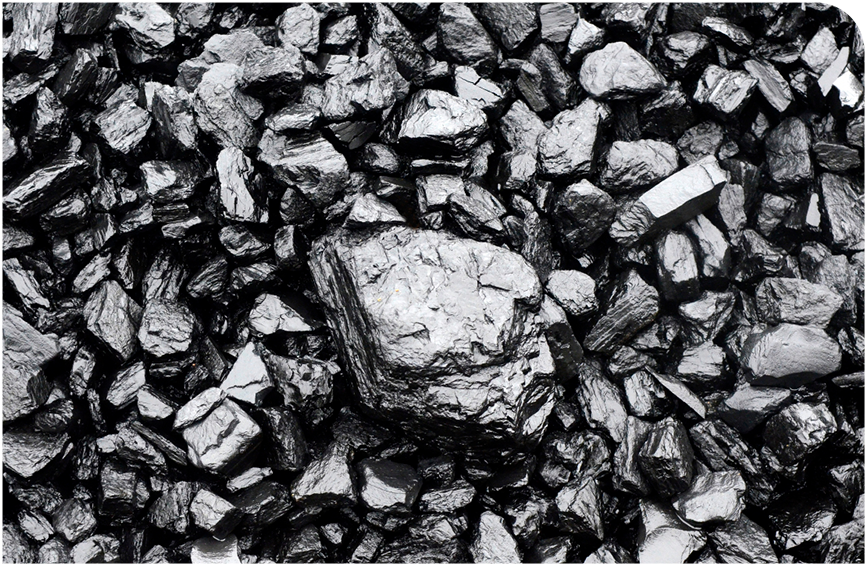
An HVAC Dust Collector acts as the respiratory system of modern industrial facilities. By capturing airborne contaminants directly at the source—whether during bulk grain unloading, cement milling, or coal conveying—these systems prevent toxic and explosive dust clouds from compromising worker health and equipment integrity. As a premier manufacturer supplying the Brazilian market, we design customized dust collection and dry dust suppression solutions engineered to withstand Brazil's unique tropical climates, high relative humidity, and demanding heavy-duty operations.
Key Market Drivers & Regulatory Compliance in Brazil
Operating an industrial facility in Brazil requires strict adherence to federal, state, and municipal environmental guidelines. The primary regulatory drivers shaping the air filtration and dust collection market include:
- IBAMA & CONAMA Regulations: The Brazilian Institute of the Environment and Renewable Natural Resources (IBAMA) and the National Council on the Environment (CONAMA) enforce stringent limits on industrial atmospheric emissions. Facilities exceeding particulate matter thresholds face severe financial penalties and operational suspensions.
- NR-9 & NR-15 (Occupational Health): Under Brazil's labor legislation, Normas Regulamentadoras (NR) mandate that employers maintain safe workplace air quality. High concentrations of crystalline silica, grain dust, or metallic particles must be actively mitigated using engineering controls like local exhaust ventilation (LEV) and HVAC dust collectors.
- Combustible Dust Hazards (A3 Zones): Agribusinesses handling grains, sugar, and organic materials are highly susceptible to dust explosions. Our pulse-jet bag filters and air box bag-type dust collectors can be integrated with explosion-proof components conforming to local INMETRO certificates and international safety standards.
Localized Application Scenarios
1. Grain & Agribusiness Terminals
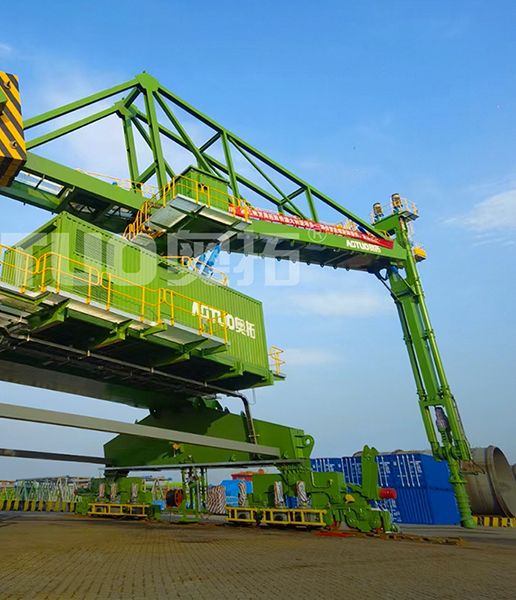
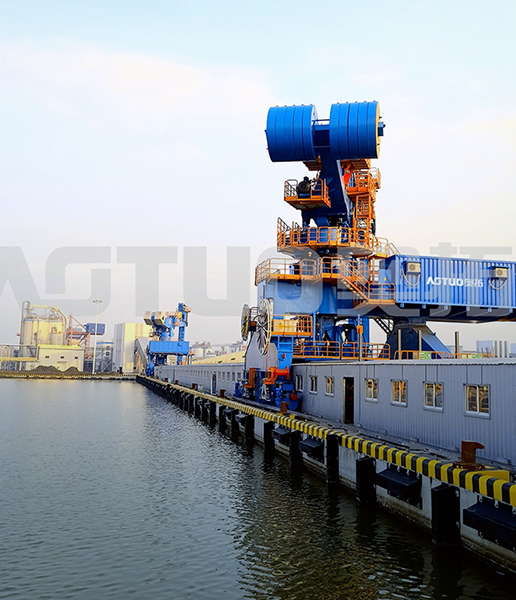
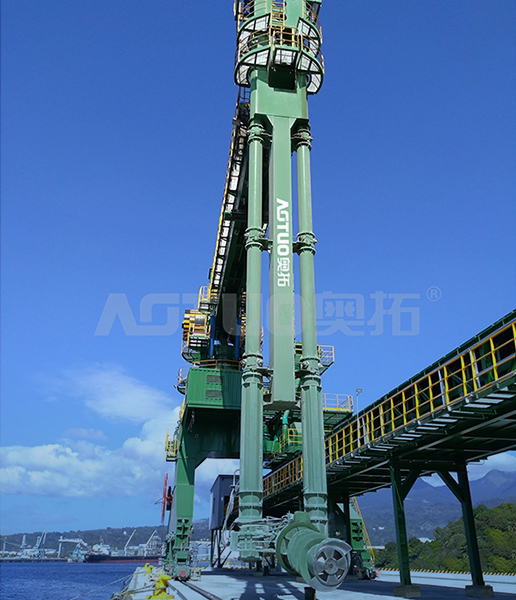
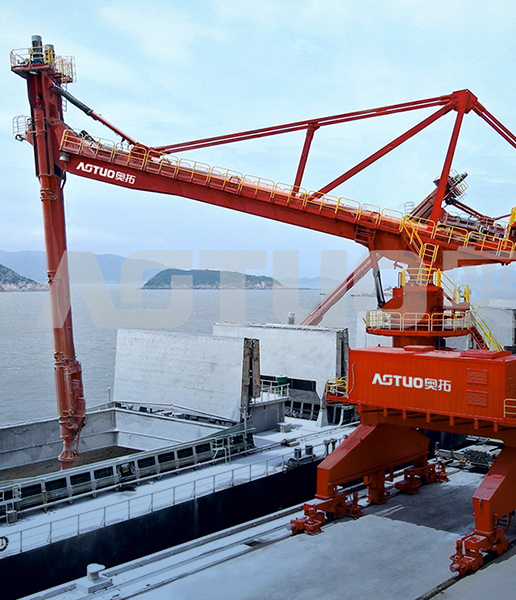
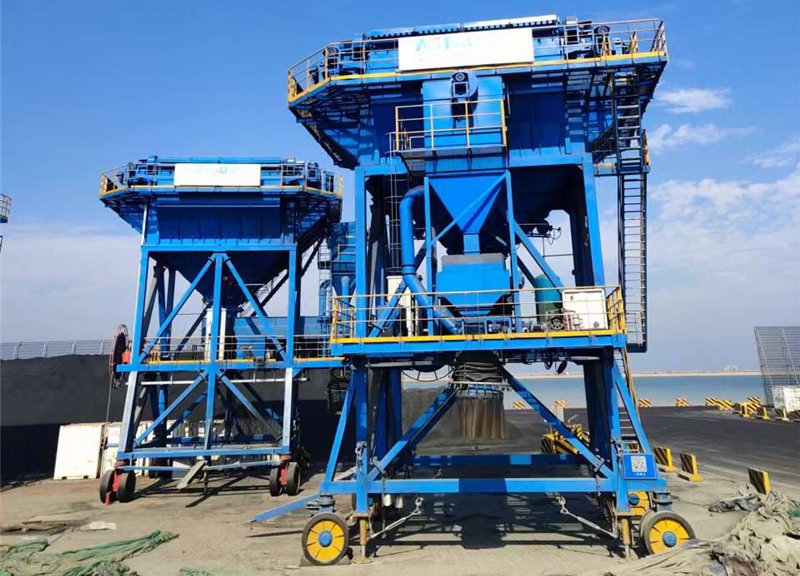
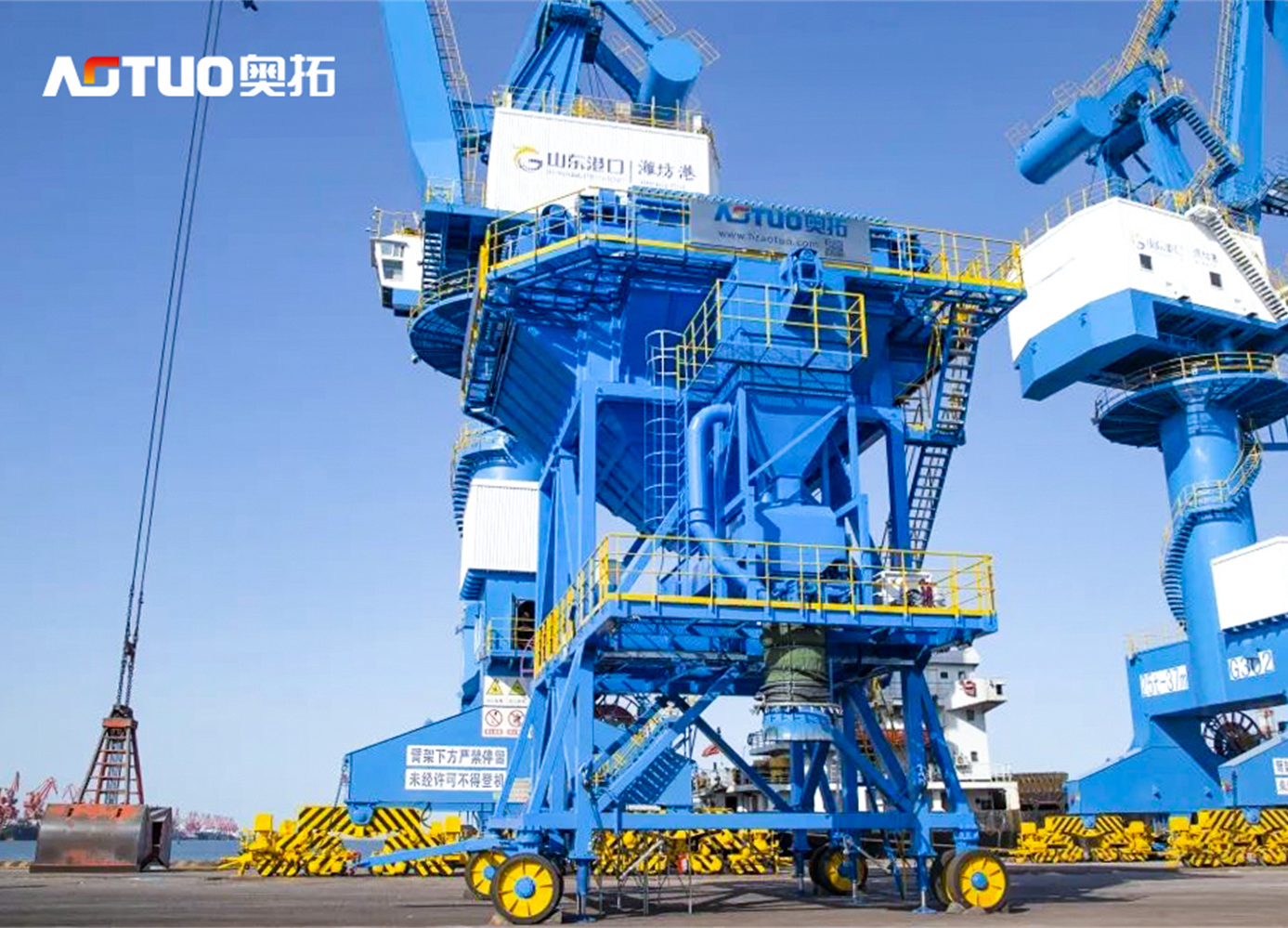
Brazil is a global leader in soybean, corn, and sugar exports. During high-speed loading and unloading at grain elevators and port terminals (such as the Port of Santos and Port of Paranaguá), dry agricultural materials generate massive volumes of organic dust. Our integrated eco-friendly dust suppression loading and unloading machines utilize advanced negative pressure systems and localized bag filters to capture grain dust right at the hopper, preventing product loss and eliminating explosive hazard zones.
2. Mining & Iron Ore Processing
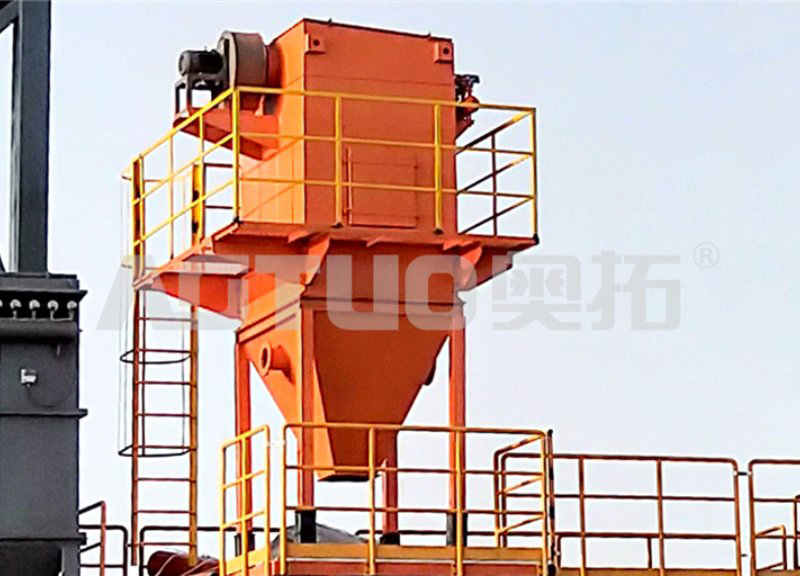
In the mineral-rich regions of Minas Gerais and Pará, mining giants require robust dust extraction systems capable of handling highly abrasive iron ore, bauxite, and manganese dust. Standard HVAC filters quickly fail under these conditions. Our heavy-duty pulse single-machine air box bag collectors utilize thick, wear-resistant filter media and optimized air-to-cloth ratios to ensure continuous operation under extreme dust loads.
3. Cement, Clinker & Fly Ash Handling
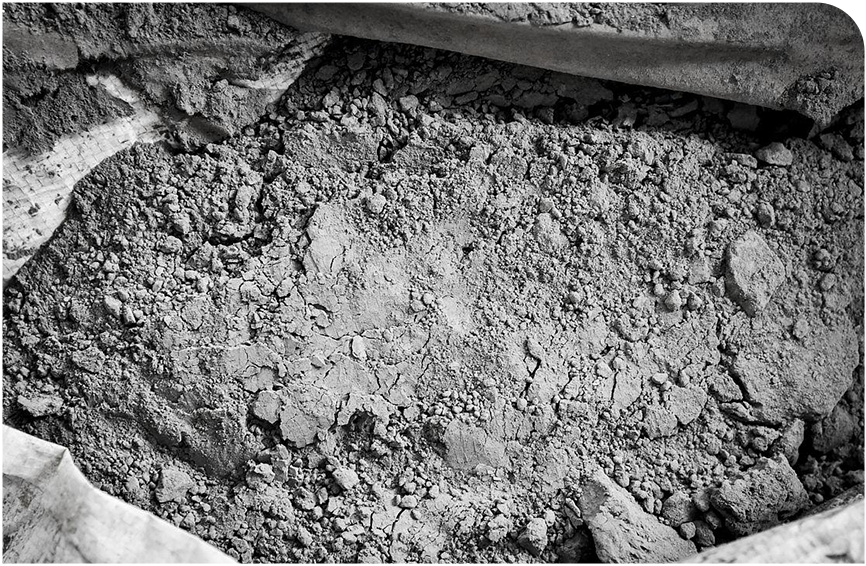
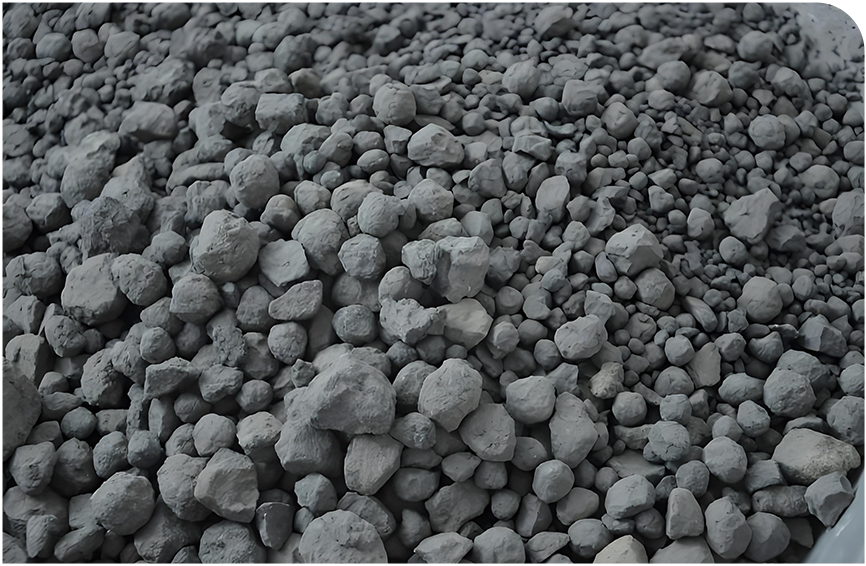
The construction boom in Brazil's metropolitan areas demands vast quantities of cement. The transfer, storage, and packaging of cement clinker, GGBS (Ground Granulated Blast-furnace Slag), and fly ash release fine, abrasive particulates. Our dust collection systems capture these materials, returning them directly to the production line, thereby reducing waste and maintaining a clean plant environment.
Industry Development Trends in the Brazilian Market
The Brazilian industrial landscape is undergoing a digital transformation, often referred to as "Indústria 4.0." This shift is redefining how HVAC dust collectors are designed and managed:
- Smart Monitoring & AI Integration: Modern factories are transitioning from reactive maintenance to predictive maintenance. Our latest dust collectors feature differential pressure sensors, dust emission monitors, and PLC integration, allowing operators to track filter bag health and emissions in real time via centralized control systems.
- Energy Efficiency: With rising electricity costs in Brazil, optimizing the energy consumption of large extraction fans is vital. By utilizing variable frequency drives (VFDs) and smart pulse cleaning sequences that only trigger when needed, our systems reduce compressed air and power consumption by up to 30%.
- Sustainable Material Recovery: Rather than disposing of captured dust, Brazilian companies are increasingly looking to reclaim valuable raw materials. Our high-efficiency hoppers and rotary valves facilitate the safe return of collected product back into the processing stream.