
- Home
- Company
- Products
- Solution
- Service
- News
- Contact
Leave Your Message
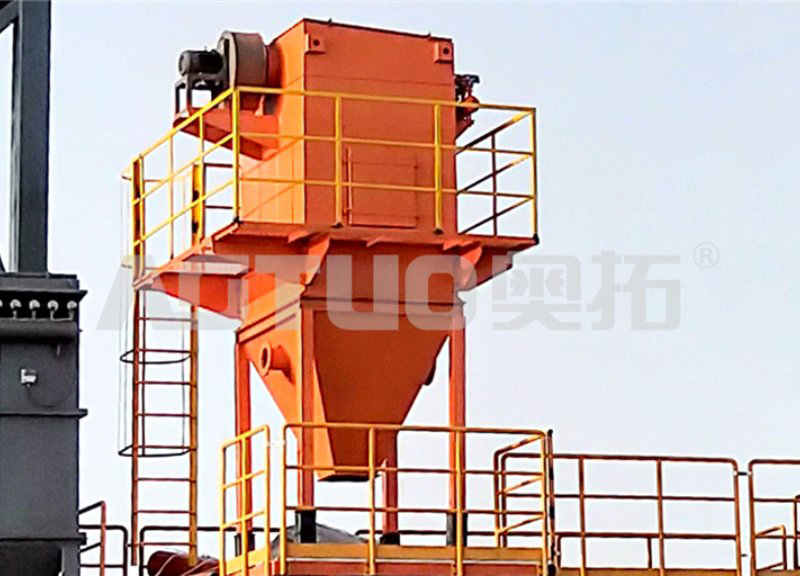
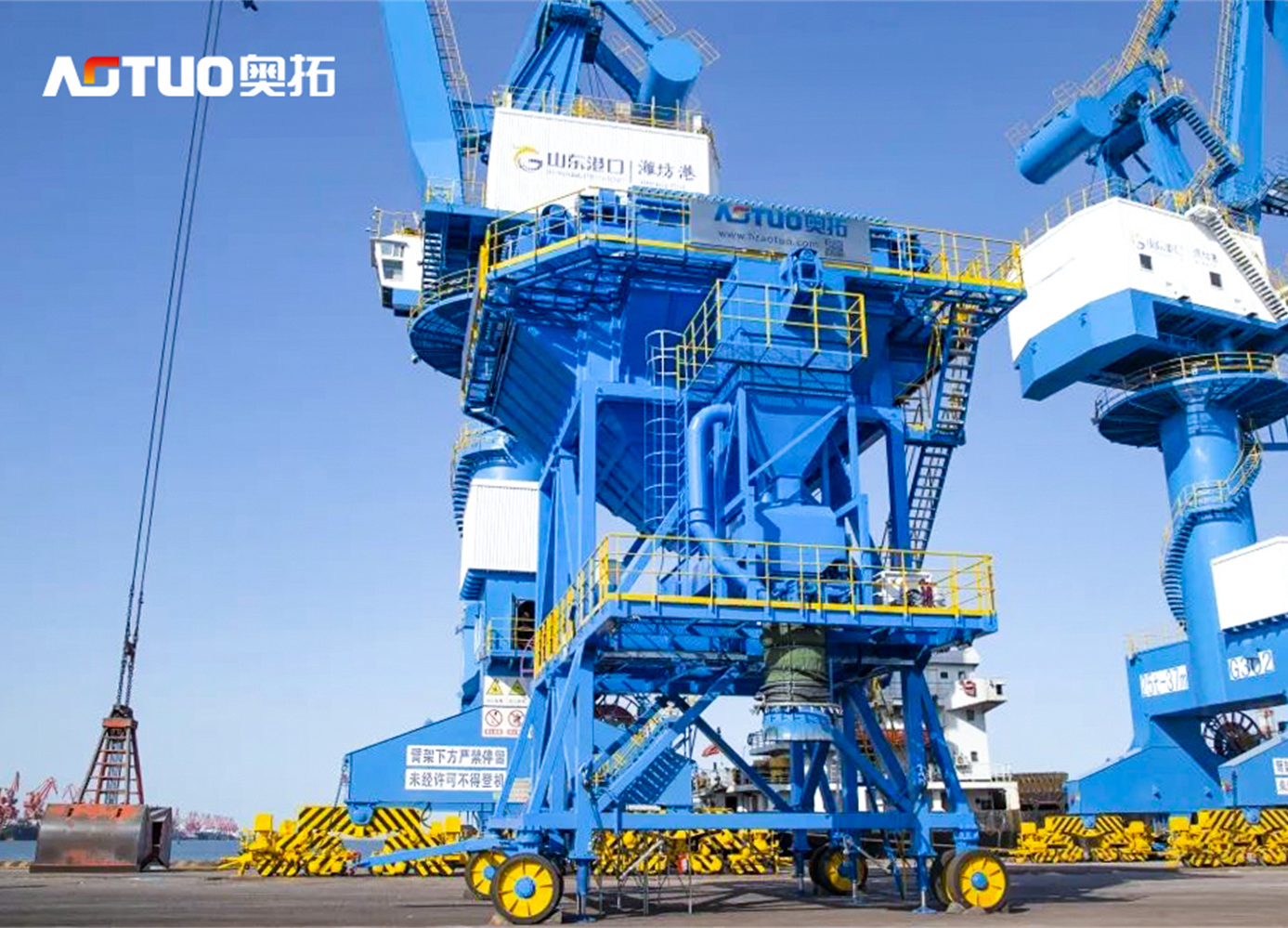
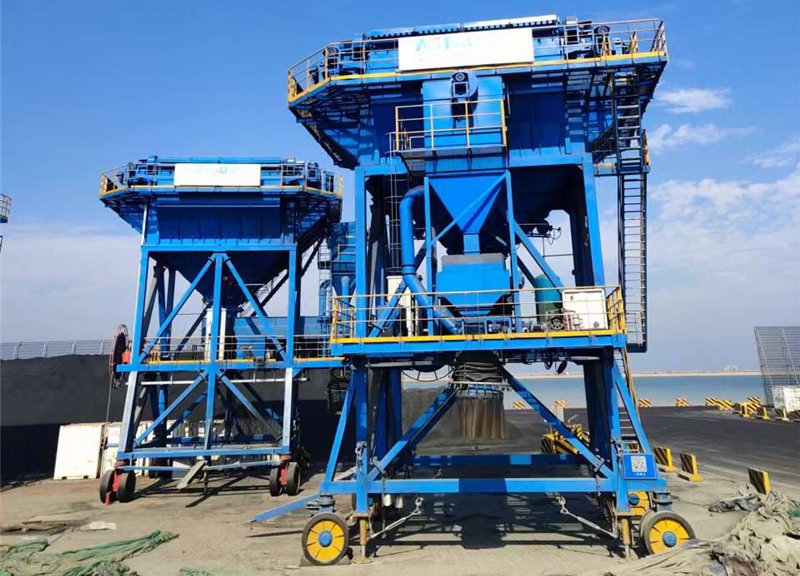
Turkey stands as a strategic industrial bridge between Europe, Asia, and the Middle East. With major manufacturing hubs located in Istanbul, Kocaeli, Bursa, Izmir, and Ankara, the country has witnessed a massive expansion in heavy industries, automotive manufacturing, aerospace development, shipbuilding, and metal fabrication. Among these sectors, surface preparation and metal finishing—specifically sandblasting—are fundamental processes. However, sandblasting operations generate immense quantities of hazardous airborne particulate matter, including crystalline silica, metal dust, and abrasive fragments.
To address this, the Turkish Ministry of Labor and Social Security has implemented strict Occupational Health and Safety (OHS) regulations, closely aligned with European Union directives. Businesses operating in Tuzla's shipyards, Ostim's industrial zone in Ankara, or Kocaeli's automotive factories must maintain clean workplace air quality to prevent occupational lung diseases like silicosis and to mitigate the risks of combustible dust explosions. This regulatory shift has driven a substantial surge in demand for high-efficiency Sandblasting Cabinet Dust Collectors across the Turkish market.
Designed to align with strict Turkish labor safety laws and European CE directives for clean indoor air quality.
Essential safety features for handling combustible metal dusts generated during aluminum and alloy sandblasting.
Smart pulse-cleaning systems reduce compressed air consumption, cutting operational costs in high-tariff regions.
Modern Turkish factories are transitioning towards automated and smart production lines. Our specialized sandblasting cabinet dust collectors offer a perfect synergy of high filtration capacity, energy efficiency, and compact design. By utilizing pulse-jet cartridge or bag-house technology, our systems ensure that sandblasting operations remain continuous, safe, and environmentally sustainable, keeping Turkish factories at the forefront of global manufacturing standards.
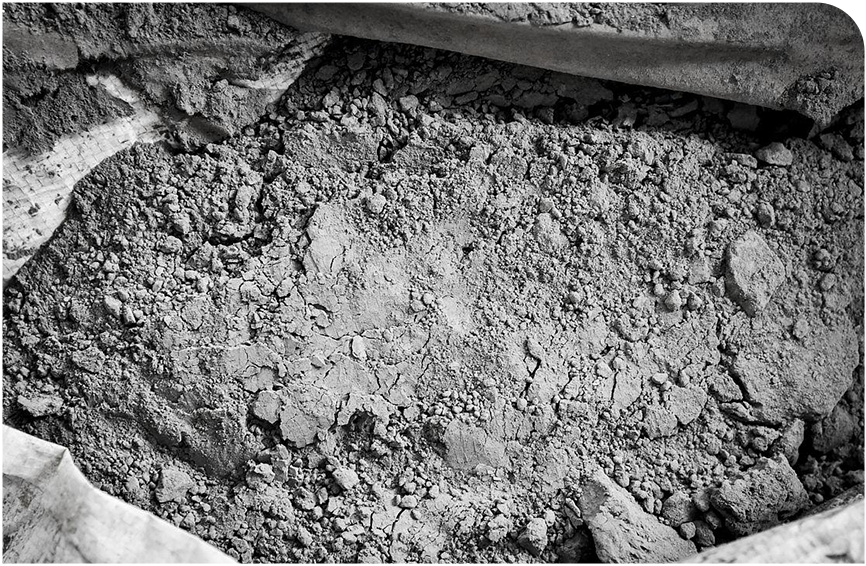


Turkey is one of the largest automotive exporters to Europe, housing production plants for major global brands. The manufacturing of components, suspension systems, and cast engine blocks requires sandblasting to achieve optimal surface finish before coating. Our sandblasting cabinet dust collectors are integrated directly into automated conveyor blast systems, capturing fine steel grit and silica dust instantly. This keeps the production lines running continuously without downtime for manual filter cleaning, ensuring high throughput and consistent surface roughness.
The shipyards of Tuzla and Yalova are world-renowned for ship maintenance, repair, and mega-yacht construction. Heavy-duty blasting cabinets and blast rooms are used to remove rust, old paint, and marine growth from ship components. The massive dust load generated in these environments requires industrial-grade pulse-jet bag-house dust collectors. Our systems provide constant negative pressure, preventing dust leakage into the shipyard environment and protecting the health of nearby workers.
Foundries in Ankara (Ostim) and Konya produce complex cast iron and steel components for agricultural machinery and defense sectors. Sandblasting is the standard method for descaling and sand removal from castings. The dust generated is highly abrasive and hot. Our dust collectors feature heavy-duty inlet deflectors to drop out large abrasive particles before they reach the filters, along with flame-retardant filter media to prevent fire hazards, extending filter life and lowering maintenance costs.
With companies like TAI, TEI, and Aselsan, Turkey's aerospace and defense sector requires precision blasting using glass beads, ceramic beads, or aluminum oxide. These processes demand ultra-precise dust extraction to prevent contamination of sensitive parts. Our cabinet dust collectors feature HEPA secondary filters, allowing clean air to be safely recirculated back into the climate-controlled facility, saving heating and cooling energy.
The industrial dust collection market in Turkey is undergoing rapid evolution. Simple, passive filtration systems are no longer sufficient to meet modern environmental and economic targets. Today, Turkish manufacturers look for smart, integrated solutions that offer long-term value. Below are the key technological trends shaping the design and manufacturing of our Sandblasting Cabinet Dust Collectors:
Traditional dust collectors pulse compressed air at fixed time intervals, regardless of whether the filters are clean or dirty. This wastes compressed air and shortens filter life. Our advanced collectors feature differential pressure sensors that monitor the dust load on the filters. The pulse-cleaning cycle is only triggered when the pressure drop across the filters reaches a set threshold. This "cleaning-on-demand" system significantly reduces compressed air consumption, saves energy, and extends the lifespan of the filter cartridges by up to 50%.
With sandblasting processes producing sub-micron dust particles, standard paper or polyester filters can quickly clog or allow fine dust to pass through. We utilize advanced nanofiber and PTFE-coated filter cartridges that achieve a filtration efficiency of 99.97% down to 0.3 microns. The slick PTFE surface prevents sticky or fine dust from embedding deep into the media, allowing for easy release during the pulse cleaning cycle. This is particularly crucial for Turkish aerospace and automotive suppliers who require clean working environments.
Real estate in major Turkish industrial zones like İkitelli (Istanbul) or Ostim (Ankara) is highly expensive. Factory floor space is at a premium. Our sandblasting cabinet dust collectors are designed with a compact vertical footprint. The modular design allows for easy expansion; if a factory adds more sandblasting cabinets, extra collector modules can be integrated into the existing system without requiring a completely new installation.
High energy costs in Turkey make factory heating and cooling a major operational expense. If a dust collector vents exhausted air outside, the factory loses valuable heated or cooled indoor air. Our high-efficiency filtration systems, combined with optional secondary HEPA safety filters, allow the cleaned air to be safely recirculated back into the factory building. This reduces the load on the facility’s HVAC systems, leading to substantial annual energy savings.