
- Home
- Company
- Products
- Solution
- Service
- News
- Contact
Leave Your Message

The United States remains one of the world's largest consumers and processors of wood products. From the vast timberlands of the Pacific Northwest to the furniture manufacturing hubs in North Carolina and the burgeoning wood pellet industry in the Southeast, the demand for efficient sawdust management is at an all-time high. As a leading Sawdust Cyclone Manufacturer, we recognize that the US market is not just about equipment; it is about compliance, safety, and operational excellence.
In the American industrial sector, sawdust is more than just waste; it is a byproduct that requires sophisticated handling to ensure worker safety and environmental protection. The Occupational Safety and Health Administration (OSHA) and the National Fire Protection Association (NFPA), particularly through standards like NFPA 664, have set rigorous guidelines for managing combustible dust. This regulatory environment has driven innovation in cyclone technology, pushing manufacturers to develop systems that offer higher separation efficiencies and integrated spark detection.
The US woodworking industry has seen a significant resurgence. With the rise in residential construction and the growing popularity of sustainable wood-based building materials like Cross-Laminated Timber (CLT), factories are scaling up. This expansion necessitates advanced dust collection systems. Modern sawdust cyclone factories in the US are now integrating AI-driven monitoring and IoT sensors to track airflow, pressure drops, and dust levels in real-time, ensuring that the facility remains within EPA emission limits while maximizing energy efficiency.
We are witnessing a shift from passive mechanical separation to intelligent air filtration. Modern sawdust cyclones are being designed using Computational Fluid Dynamics (CFD) to optimize the vortex structure, reducing the "carry-over" of fine particles. In the United States, where energy costs are a major factor in manufacturing overhead, the development of high-efficiency cyclones that operate at lower static pressures is a game-changer. These systems reduce the load on primary fans, leading to significant annual electricity savings for large-scale sawmills and furniture plants.
Furthermore, the "Circular Economy" trend in the US has turned sawdust into a valuable commodity. Sawdust collected by our cyclones is often diverted to bio-energy plants to be compressed into fuel pellets or used in the production of composite materials. This transformation of waste into a revenue stream is a core focus of our design philosophy.

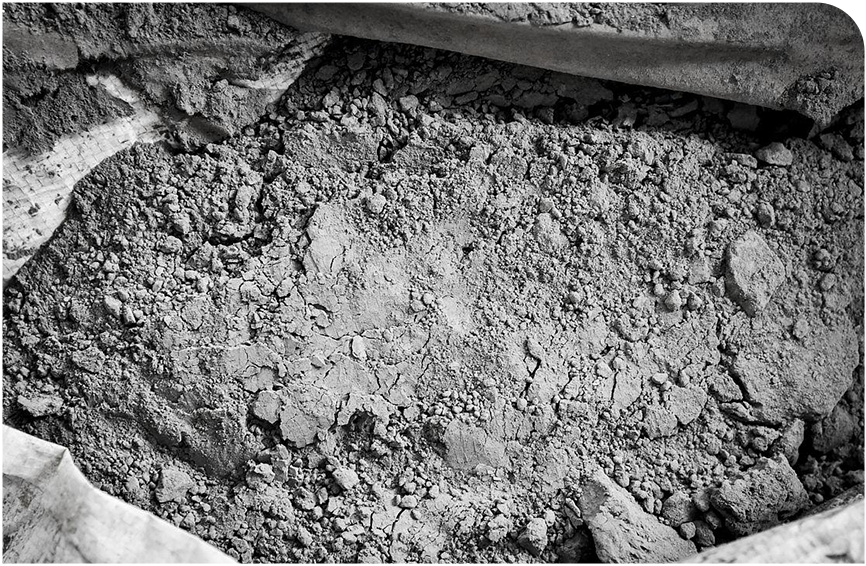
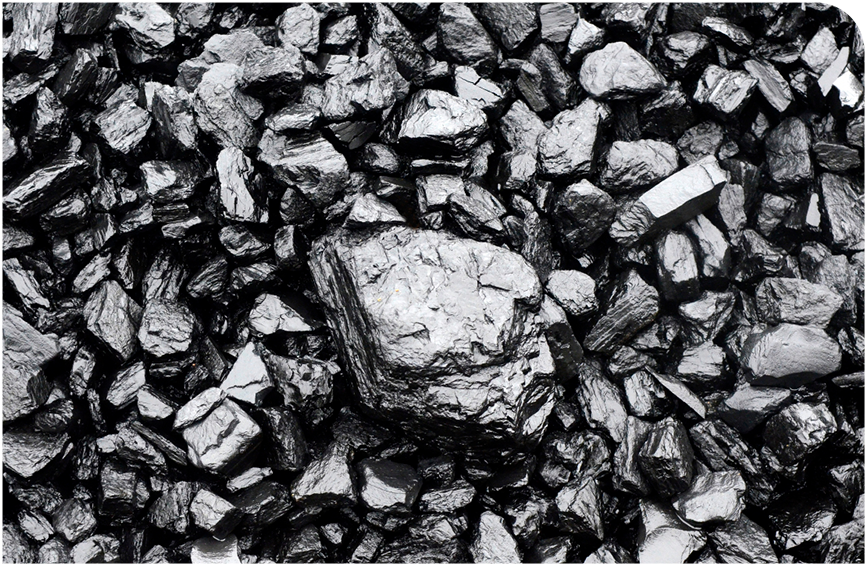
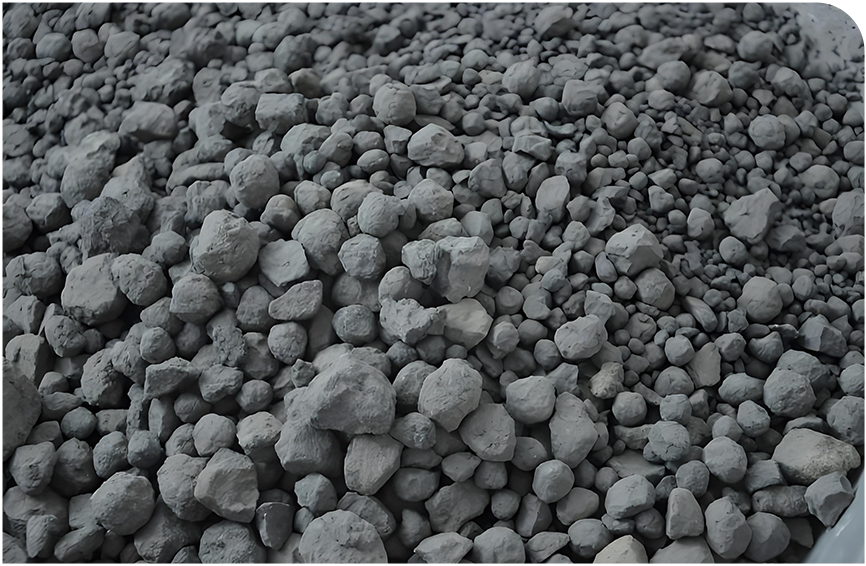
Our expertise extends beyond simple dust collection. In the US market, we provide comprehensive Material Transfer Solutions that integrate seamlessly with existing factory workflows. Whether it's moving grain in the Midwest or cement clinker in Texas, our systems are engineered to handle the toughest "powdery and granular bulk materials."
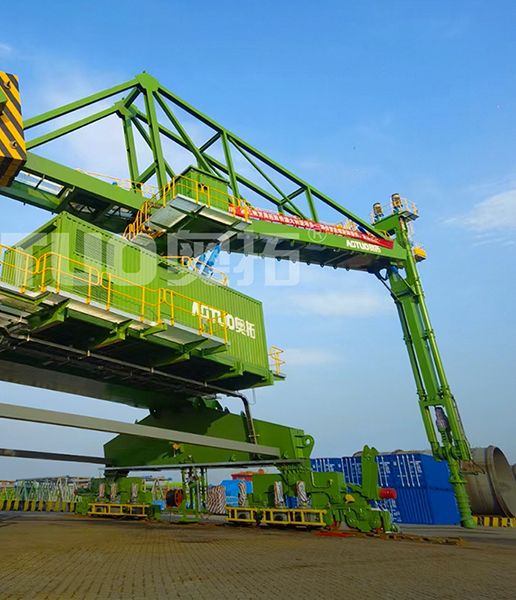
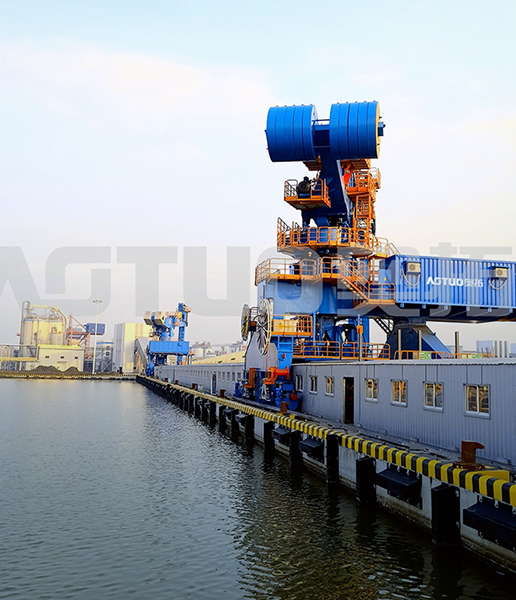
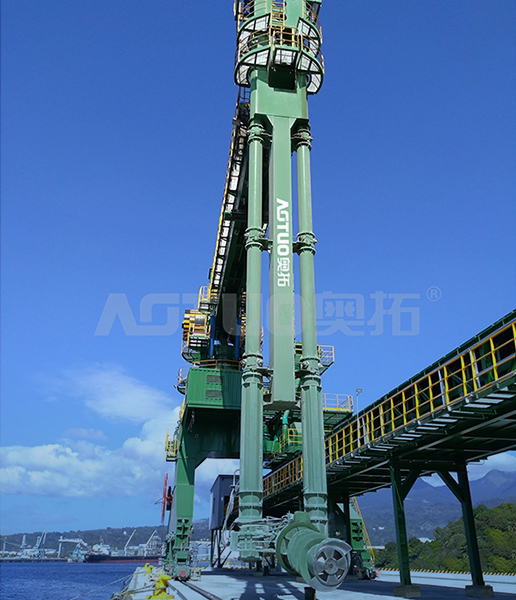
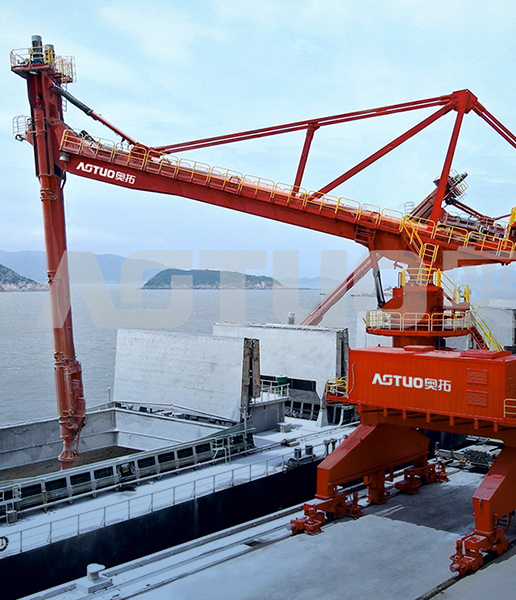
Over the past two decades, AOTUO has dedicated itself to the research, development, and manufacturing of screw ship unloaders, becoming a benchmark for "Chinese products replace imports." Along the Yangtze River and other inland riverbanks, as well as in seaports and docks, its unloading equipment has been deployed across more than twenty provinces in China. Its comprehensive manufacturing and service system has earned widespread acclaim from customers.
Today, we are expanding our footprint across the United States market, bringing our world-class engineering to American soil. Our commitment is to provide localized support, ensuring that every sawdust cyclone and material transfer system we install meets the highest standards of the US industrial landscape.
Choosing the right sawdust cyclone manufacturer is critical for your factory's longevity. Our systems offer:
As the US continues to lead in advanced manufacturing, our role is to provide the "lungs" of the factory—clean air, safe environments, and efficient material recovery. Contact our US-based consultants today to learn how we can optimize your facility's dust collection strategy.